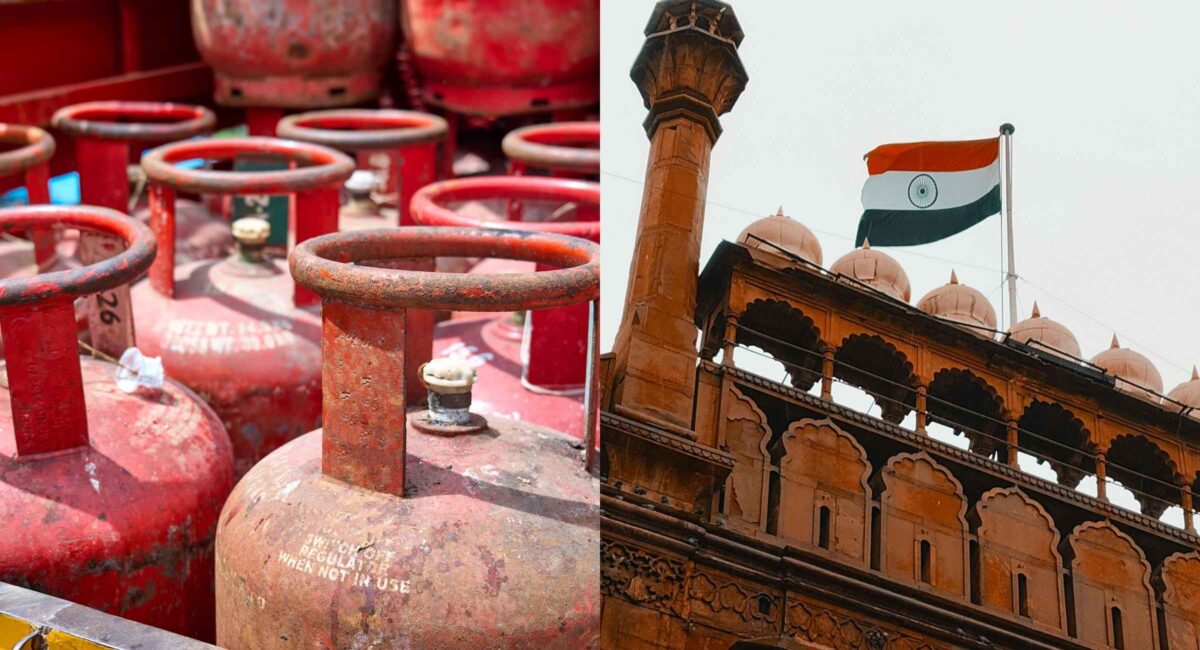
The LPG Shortage India crisis in March 2026 isn’t just about higher gas bills — it’s about millions of livelihoods being squeezed because commercial LPG supplies have plunged, forcing restaurants, caterers and eateries from Mumbai to Bengaluru to cut menus or shut temporarily. The disruption stems largely from global energy shocks linked to the West Asia conflict, the prioritisation of household gas, and logistical bottlenecks in supply chains. Government interventions under the Essential Commodities Act aim to stabilise domestic access, but commercial users are bearing the brunt.
Why India’s LPG Market Is in Turmoil
Global Geopolitics Meets Local Kitchens
India imports a significant portion of its LPG (Liquefied Petroleum Gas) from the Middle East — much of it via shipping routes through the Strait of Hormuz. When geopolitical tensions escalate (as they have in March 2026), these supply chains get disrupted. Even temporary interruptions in tanker schedules can have a domino effect thousands of kilometres inland.
Since early March, industry sources and energy analysts have pointed to a sharp reduction in 19‑kg commercial LPG cylinder deliveries specifically used by restaurants and food service businesses. Distributors in multiple metros have either run out or paused commercial bookings entirely.
How the Shortage Is Impacting Restaurants Across India
1. Metro Hotspots: Mumbai, Bengaluru & Chennai
- In Mumbai, restaurant industry bodies reported that at least 20% of eateries had to temporarily close operations due to lack of commercial gas supply — and more may follow if deliveries don’t resume.
- Bengaluru hoteliers warned that kitchens could halt from March 10 onwards, particularly for establishments without alternative fuels or PNG connections.
- Chennai restaurants said commercial LPG deliveries had effectively stopped, forcing some kitchens to reduce services or shut down temporarily.
At iconic places like Bengaluru’s Vidyarthi Bhavan — one of the city’s oldest breakfast joints — owners told media they were rationing gas, turning off burners, and trimming menus to make stocks last.
2. Menu Trims & Operations Rationed
Instead of full closures, many restaurants are adopting survival tactics:
- Removing high‑gas items from menus (think slow‑cooked curries or deep‑fried snacks)
- Restricting kitchen hours to conserve limited cylinders
- Shifting to less gas‑intensive cooking techniques
These adaptive measures illustrate how acute the crisis has become — it’s not just a lack of fuel, it’s a recalibration of business models under duress.
Why Restaurants Are Hurt Worse Than Households
1. Prioritisation of Domestic LPG
To avoid a nationwide domestic energy shortage, the government has explicitly told refiners and oil marketing companies to prioritise household LPG — ensuring stoves at home still function. Commercial distribution, on the other hand, has been scaled back.
This policy shift isn’t arbitrary: with a finite supply and increased global uncertainties, policymakers decided that cooking gas for families takes precedence over commercial use. But the consequence is a hospitality sector suddenly starved of its lifeblood — cooking fuel.
2. Price Hikes Add Insult to Injury
Alongside supply squeezes, LPG prices have also risen sharply in 2026:
- Domestic 14.2 kg cylinders hiked by around ₹60
- Commercial 19‑kg cylinders saw price hikes totalling more than ₹300 so far this year
For restaurants operating on razor‑thin margins, these price shocks compound the operational challenges of limited supply — translating to higher menu prices or outright closures.
Government Response: Essential Commodities Act & Production Push
Essential Commodities Act Invoked
To manage the crisis, the Centre has moved to invoke the Essential Commodities Act for LPG — a legal tool that allows it to regulate distribution, prioritize sectors and clamp down on hoarding or unfair trade practices. Government directives are now aimed at:
- Ensuring domestic access stays uninterrupted
- Curbing black marketeering of cylinders
- Boosting refinery output where feasible
Production Ramps & Policy Adjustments
Officials have asked refineries to increase LPG yields and broaden domestic production where possible. Meanwhile, ministries are trying to maintain order amid long queues and inflated resale prices in some cities.
However, critics — including industry representatives — argue that these steps came late and aren’t sufficient to offset supply disruptions caused by external factors like shipping bottlenecks and global energy market volatility.
On the Ground: Real‑World Consequences
Black Market & Scarcity
In Hyderabad, black‑market prices for commercial cylinders have surged to ₹3,000–₹4,000 — far above the official ₹2,100 or so rate — threatening to push many small eateries out of business.
Fuel Substitutes & Cost Pain
Street vendors and small food stalls in cities like Lucknow are reverting to coal or firewood just to keep kitchens running. But this transition isn’t simple — longer cooking times and heat control issues reduce productivity and increase costs, often passed on to customers.
Catering & Cultural Events Affected
In Wardha district, caterers servicing weddings and events have reported service cancellations because LPG supplies are unpredictable, warning that business losses could extend into the upcoming social season.
Editorial Perspective: Balancing Energy Policy With Economic Reality
From decades covering energy crises and economic upheavals, one pattern stands out: when fuel supply chains constrict, the ripple effects hit the most vulnerable sectors first — in this case, the food service industry. Restaurants weren’t prepared for an external shock of this magnitude: no strategic buffer stocks, limited alternative fuel options, and heavy dependence on imported LPG.
This LPG Shortage India episode is a structural stress test of India’s energy supply architecture. It highlights that even functional markets can become volatile when global geopolitics — like wars and chokepoint disruptions — intervene suddenly. Policymakers are right to prioritise household needs, but there’s now a clear case for a calibrated commercial relief plan that protects jobs, cultural food ecosystems and small business livelihoods.
Conclusion: A Crisis With a Long Tail
The LPG Shortage India crisis of March 2026 underscores how interlinked global geopolitics and local economies have become. Restaurants and eateries are the visible sufferers today, but the deeper lesson is about resilience — both in energy infrastructure and economic policy. Without strategic diversification of fuel sources or contingency frameworks for commercial consumers, similar disruptions today could repeat tomorrow.
India’s policy response — balancing domestic cooking needs against commercial demand — must evolve as the energy picture shifts. If this episode teaches one thing, it’s that fuel security is not just about cylinders in homes; it’s about keeping kitchens across the nation running too.