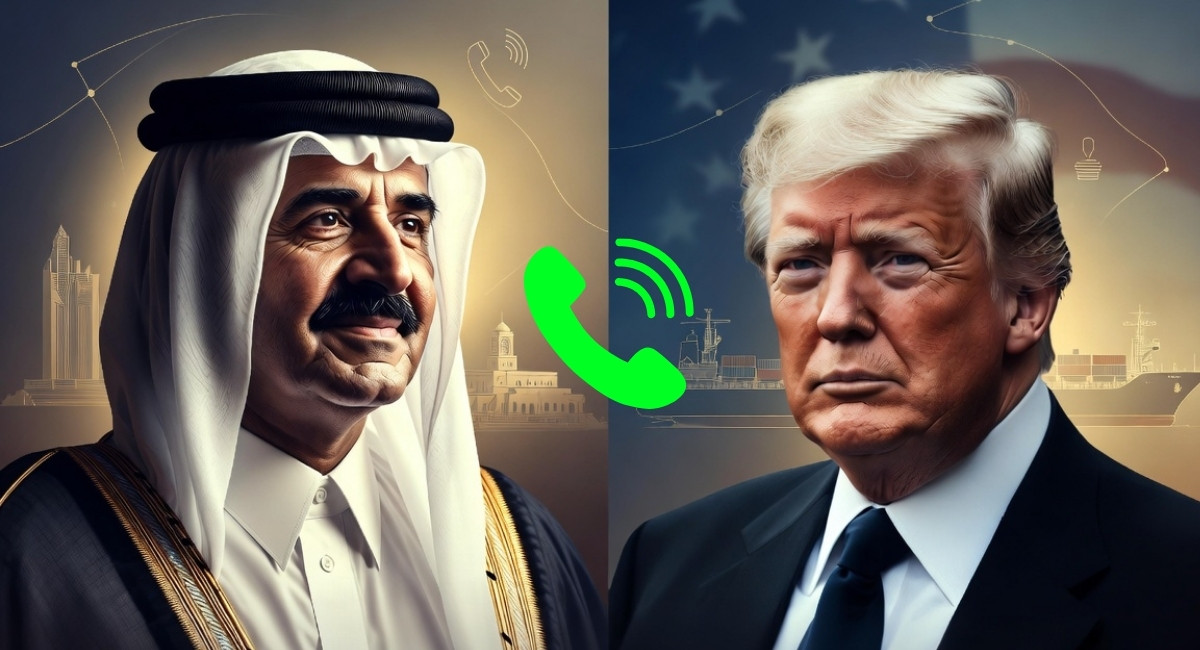
In April 2026, U.S. President Donald Trump held a direct phone call with Sheikh Tamim bin Hamad Al Thani to discuss the fragile U.S.–Iran ceasefire, maritime security threats in the Gulf, and Pakistan’s growing role as a key mediator. The call confirmed that Qatar remains central to de-escalation efforts, with both leaders emphasizing stability, safe shipping routes, and continued diplomatic coordination.
Key Takeaways
- Trump called Qatar’s Emir to discuss Iran ceasefire, maritime security, and diplomacy
- Qatar emphasized de-escalation and support for Pakistan-led mediation
- The Strait of Hormuz remains a major global risk point
- The ceasefire is fragile and heavily dependent on indirect negotiations
Why This Call Matters Right Now
If you’ve been tracking Middle East geopolitics closely (and I have, for years), you’ll know this isn’t just another routine diplomatic check-in.
This conversation came at a moment when:
- A tense ceasefire between the U.S. and Iran is still holding—but barely
- The Strait of Hormuz remains disrupted, choking global oil flows
- Backchannel diplomacy—especially through Pakistan—is quietly shaping outcomes
In short: this call wasn’t symbolic. It was operational.
What Was Discussed in the Trump–Qatar Emir Call?
1. Ceasefire Stability Between the U.S. and Iran
Both leaders reviewed the latest developments in the Washington–Tehran ceasefire, which was initially brokered in early April 2026.
- The truce followed weeks of escalation, including strikes and counter-blockades
- It was mediated with support from Pakistan and regional actors
- Violations and tensions remain unresolved
Qatar reaffirmed its role in supporting diplomatic channels and maintaining momentum toward a longer-term agreement.
2. Maritime Security and Global Supply Chains
Here’s where things get critical—fast.
The leaders discussed:
- Threats to shipping lanes in the Gulf
- Disruptions to oil transport through Hormuz
- Broader implications for global supply chains and energy markets
At one point during the conflict, shipping traffic dropped dramatically, highlighting just how fragile the system is when geopolitics collide with energy infrastructure.
From experience covering energy crises, I’ll put it plainly: when Hormuz is unstable, the world feels it within days—not weeks.
3. Pakistan’s Role as a Key Mediator
One of the most underreported aspects of this story?
Pakistan is acting as a central diplomatic bridge between Washington and Tehran.
During the call:
- Qatar explicitly backed Pakistan-led mediation efforts
- Discussions focused on facilitating indirect negotiations
- U.S. envoys are expected to engage via Islamabad channels
This triangular diplomacy—U.S.–Qatar–Pakistan—is shaping the next phase of negotiations.
The Bigger Picture: A Fragile 2026 Ceasefire
To understand the stakes, you need context.
The 2026 conflict:
- Began with U.S. and allied strikes on Iran
- Escalated into a regional confrontation affecting Gulf states
- Led to a temporary ceasefire announced in April 2026
2026 Iran war ceasefire
But here’s the issue—this ceasefire is:
- Temporary
- Conditional
- Vulnerable to rapid collapse
Even minor incidents (naval seizures, proxy attacks) could derail it.
Qatar’s Strategic Role: More Than Just a Mediator
From my editorial lens, Qatar isn’t just participating—it’s positioning itself.
Over the past decade, Qatar has:
- Mediated U.S.–Iran prisoner swaps
- Facilitated negotiations with Taliban leadership
- Hosted critical diplomatic channels
In 2026, it’s leveraging that reputation again—this time in a far more volatile environment.
What makes Qatar effective?
- Neutral positioning
- Strong ties with both Washington and Tehran
- Ability to host quiet, high-level negotiations
What About Iran’s Position?
While the U.S. signals cautious optimism, Iran remains publicly skeptical.
Key realities:
- Iran denies direct negotiations with the U.S.
- It insists talks happen through intermediaries (like Pakistan)
- It continues to push for sanctions relief and strategic concessions
This creates a familiar dynamic: talks are happening—but not officially.
Risks That Could Derail Everything
Let’s be blunt. This situation is unstable.
Three major risks:
1. Strait of Hormuz Disruption
Even limited blockages can spike oil prices globally.
2. Proxy Conflicts
Groups like Hezbollah or regional militias could escalate tensions independently.
3. Political Messaging vs Reality
Public statements from all sides often don’t reflect actual negotiations happening behind closed doors.
Final Analysis: Quiet Diplomacy, Loud Consequences
Here’s the truth most headlines miss.
This isn’t about a single phone call.
It’s about who controls the diplomatic backchannels.
Trump’s outreach to Qatar signals recognition of one fact:
you don’t resolve Middle East conflicts through public statements—you do it through intermediaries who can talk to everyone.
Right now, Qatar and Pakistan are those intermediaries.
And if this fragile system holds, it could prevent a wider regional war.
If it doesn’t?
The consequences won’t stay in the Gulf—they’ll ripple through global energy markets, supply chains, and geopolitics within days.
That’s how close this situation really is.