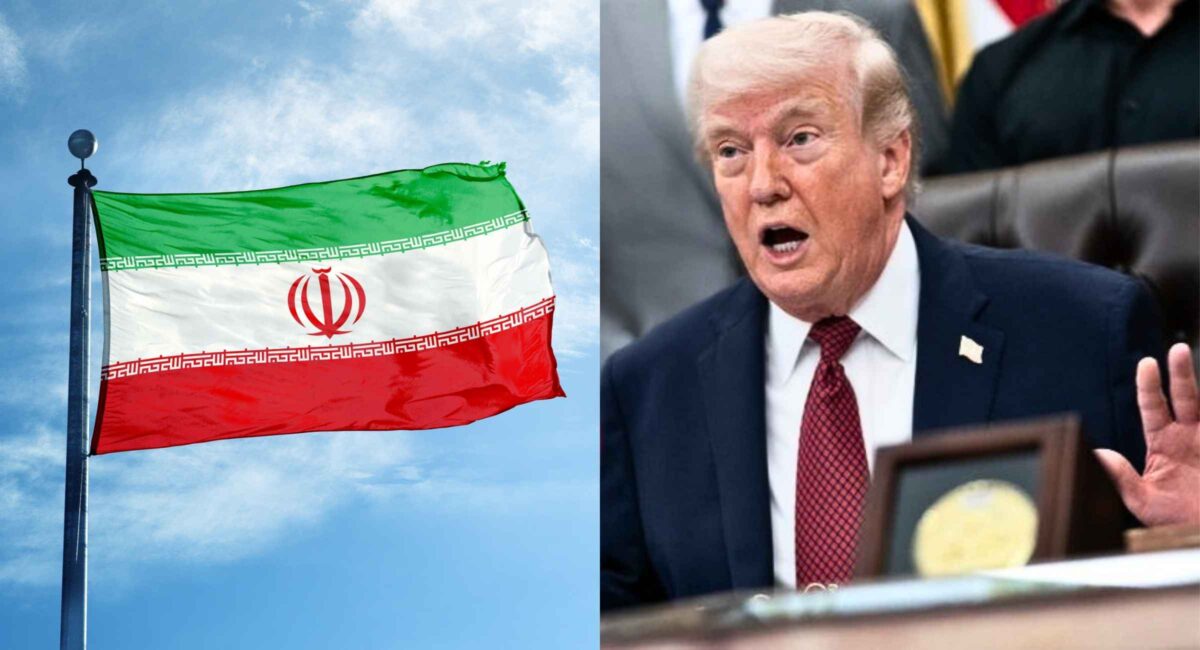
In April 2026, Donald Trump claimed Iran halted the execution of 8 women protesters after his direct appeal, even thanking Iranian leaders publicly. However, Iran’s judiciary flatly denied that any such executions were ever planned, calling the claims “fake news” and insisting the women either face prison or have already been released. The truth sits in a murky middle—with human rights groups confirming at least some detainees face capital charges, highlighting a deeper crisis behind the headlines.
Key Takeaways
- Trump claims: 8 women spared after his appeal
- Iran says: No executions were ever planned
- Rights groups: Some women face real death sentences
- Reality: Conflicting narratives with partial truths on both sides
What Did Trump Actually Claim?
On April 22, 2026, Trump posted on social media that:
- Iran had agreed not to execute 8 detained women
- 4 would be released immediately
- 4 would serve short prison sentences
He framed it as a diplomatic breakthrough—“very good news”—and even suggested it reflected respect for his leadership during ongoing tensions and ceasefire negotiations.
From an editorial standpoint, this is classic Trump-era messaging: bold, immediate, and designed to signal leverage in high-stakes geopolitical talks.
Iran’s Response: “Fabrications” and “Fake News”
Tehran’s reaction was swift—and unusually blunt.
Iran’s judiciary stated:
- No executions were planned for the 8 women
- Some detainees had already been released
- Others face non-capital charges (likely prison terms)
Officials accused Trump of being “misled once again by fake news,” dismissing the entire narrative as politically motivated.
This outright denial underscores a familiar pattern in U.S.–Iran relations: parallel realities, each side shaping the story for its own audience.
The Complicated Reality: What Human Rights Groups Say
Here’s where things get uncomfortable—and far more serious.
Independent reporting and rights organizations indicate:
- At least one woman has already been sentenced to death
- Others face charges that could lead to execution
- Some detainees were already released before Trump’s statement
In fact, cases like Bita Hemmati have been cited as evidence that capital punishment is actively being used against protesters, even if not all eight women were facing immediate execution.
From years of covering authoritarian systems, this is a familiar tactic: deny broadly, prosecute selectively.
Who Are the 8 Women Protesters?
While official Iranian disclosures remain limited, dissident groups and activists have identified several detainees, including:
- Protesters arrested during January 2026 nationwide unrest
- Individuals accused of:
- “Waging war against God” (a capital offense in Iran)
- Property damage or aiding injured demonstrators
- At least one minor reportedly among those detained
These arrests are tied to one of the largest protest movements in Iran since 1979, with millions participating and tens of thousands detained.
The Bigger Context: 2026 Iran Protest Crackdown
To understand this controversy, you need to zoom out.
The January–February 2026 protests:
- Involved millions of demonstrators across 100+ cities
- Triggered a violent state crackdown
- Resulted in thousands of deaths (estimates vary widely)
- Led to mass arrests and expedited trials
Amnesty International and other organizations have warned that Iran’s judicial system has become a “conveyor belt for executions”, especially in protest-related cases.
That context matters. Because whether it’s 8 women or 80, the underlying system remains unchanged.
The Role of Misinformation and AI Imagery
One of the strangest twists in this story?
Images shared online—linked to the 8 women—were later flagged as AI-manipulated or enhanced, even though the individuals themselves appear to be real.
This has created a dangerous mix:
- Real human rights concerns
- Amplified by uncertain or altered visuals
- Circulating in an already polarized geopolitical environment
Experts warn this blending of truth + distortion risks undermining legitimate advocacy efforts.
Why This Story Matters Beyond Politics
Strip away the rhetoric, and three facts remain:
- Executions of protesters in Iran are real and ongoing
- Information from both governments is politically filtered
- International pressure can influence outcomes—but not always transparently
From an editorial lens, this isn’t just about whether Trump “saved” 8 women.
It’s about how narratives are weaponized during conflict.
Final Analysis: Truth, Power, and Perception
After covering years of geopolitical crises, one pattern keeps repeating—truth rarely arrives clean.
This case is no different.
Trump’s claim may exaggerate his influence.
Iran’s denial likely minimizes its actions.
And somewhere in between are real people—detained, charged, and in some cases, facing death.
Editorial verdict:
The story of the “8 women protesters” isn’t just about who’s right. It’s about how power shapes reality—and how quickly facts become secondary in the middle of conflict.
And in 2026, that may be the most dangerous trend of all.