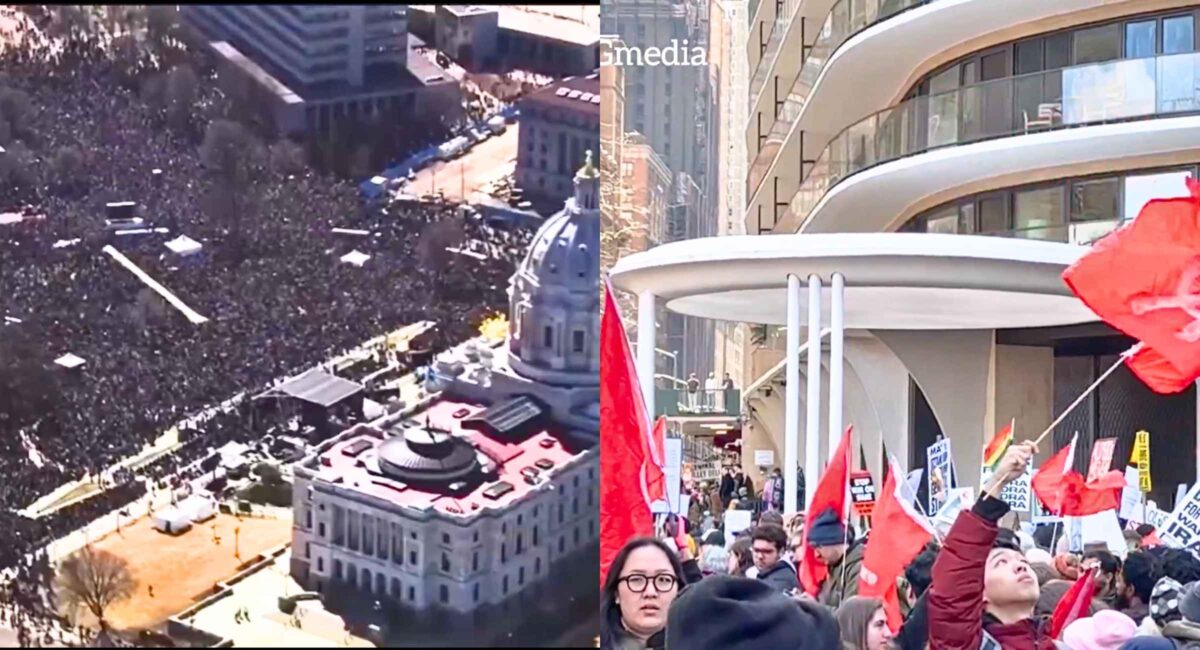
The No Kings Protests on March 28, 2026, marked one of the largest coordinated demonstrations in modern U.S. history, with over 8 million—and possibly close to 9 million—people participating across more than 3,000 events nationwide and globally.
From Hollywood icons like Jane Fonda, Robert De Niro, and Bruce Springsteen to grassroots activists, the protests were aimed squarely at the policies of Donald Trump—particularly immigration enforcement actions, ICE-related shootings, and broader fears of authoritarian governance.
What Are the No Kings Protests?
The No Kings Protests are a nationwide protest movement opposing the Trump administration’s policies, especially immigration crackdowns and perceived authoritarianism. The March 28, 2026 demonstrations—often called “No Kings Day 3.0”—were the largest iteration yet, driven by outrage over ICE-related incidents, war tensions, and civil liberties concerns.
A Movement That Keeps Growing—From Millions to Mass Mobilization
If you’ve been tracking protest movements over the past decade, this one stands out—not just for size, but for consistency.
- June 2025: ~5 million participants
- October 2025: ~7 million
- March 2026: 8–9 million+ (largest yet)
That trajectory isn’t accidental. It reflects something deeper: a protest ecosystem that has matured. Organizers like the Indivisible movement and 50501 coalition have shifted from one-day rallies to repeat, scalable mobilizations.
And this time, the numbers weren’t just impressive—they were geographically comprehensive.
- Events in all 50 U.S. states
- Over 3,100–3,300 protest sites
- Participation extending internationally
From major cities like Chicago (hundreds of thousands) to smaller towns with a few hundred, the reach was unmistakable.
Why Millions Took to the Streets
ICE Shootings and Immigration Crackdowns
At the core of the March 28 protests was anger over immigration enforcement actions, particularly incidents involving fatalities tied to federal operations.
- ICE raids and enforcement escalations were cited as key triggers
- Organizers explicitly referenced deaths linked to immigration operations as a turning point
From my experience covering civil unrest movements, this is the moment when protests evolve—from policy disagreement to moral urgency. That shift was visible here.
War Tensions and Broader Political Anxiety
The protests weren’t limited to immigration.
They also reflected opposition to:
- U.S. involvement in the 2026 Iran conflict
- Federal crackdowns on dissent
- Claims of increasing executive overreach
One organizer described the protests as a rejection of “corruption, senseless war, and division”—a message echoed across rallies.
The “No Kings” Message Explained
The phrase itself is symbolic—and strategic.
- It rejects the idea of centralized, unchecked executive power
- It directly responds to rhetoric suggesting strongman leadership
- It frames the movement around democracy vs. authoritarianism
In short: it’s branding—but with historical weight.
Celebrity Voices Amplify the Movement
High-profile participation played a critical role in pushing the protests into global headlines.
Robert De Niro’s Blunt Warning
At one rally, Robert De Niro didn’t mince words:
He warned that democracy was at risk and said Trump “must be stopped.”
That kind of language—direct, unfiltered—resonates with protest audiences. It’s not diplomacy; it’s mobilization.
Bruce Springsteen’s Flagship Rally
Bruce Springsteen headlined a major event in Minnesota, which served as the flagship protest location.
Springsteen’s involvement matters. Historically, his presence has been tied to labor rights and anti-war movements—so his appearance signals alignment with broader progressive coalitions.
Jane Fonda and Veteran Activism
Jane Fonda—a longtime protest figure—also joined demonstrations, reinforcing the intergenerational nature of the movement.
That mix—Hollywood veterans + young organizers—is rare. And powerful.
Peaceful Protests—With Flashpoints of Tension
Here’s where nuance matters.
The Reality on the Ground
- Majority of protests were peaceful
- Included marches, speeches, music, and civic engagement activities
But not everywhere.
Clashes and Arrests in Key Cities
- Los Angeles: Tear gas deployed; dozens arrested
- Denver: Multiple arrests during clashes
- Portland & Dallas: Isolated confrontations
In total:
- Arrests ranged from 13 to 70+ depending on location
- Violence was limited to small breakaway groups
This pattern is familiar: large-scale protests almost always include localized escalation, but the broader movement remains nonviolent.
Political Response—Dismissal vs Momentum
The response from the Trump administration was, frankly, predictable.
- Officials publicly downplayed the protests
- Described them as politically motivated or externally funded
But here’s the disconnect (and it’s one I’ve seen before):
When millions show up repeatedly, dismissal doesn’t reduce momentum—it often fuels it.
What Happens Next? (This Is the Real Story)
This is where many headlines stop—but the real impact begins.
According to organizers and analysts:
- Protests are Phase 1 (visibility)
- Next comes:
- Legislative pressure
- Boycotts
- Local organizing
- Voter mobilization
In other words, March 28 wasn’t the peak—it was a launch point.
Conclusion: A Defining Moment—But Not the End
The March 28, 2026 No Kings Protests weren’t just large—they were structurally significant.
- Sustained growth across three major waves
- Nationwide + global participation
- Cross-generational and celebrity-backed
- Rooted in both policy grievances and democratic concerns
Here’s the editorial takeaway:
This isn’t a one-day protest cycle. It’s a long-term movement testing how much pressure a democratic system can absorb—and how it responds when millions refuse to stay silent.
And with turnout already approaching 9 million, the next phase won’t be measured in crowd size.