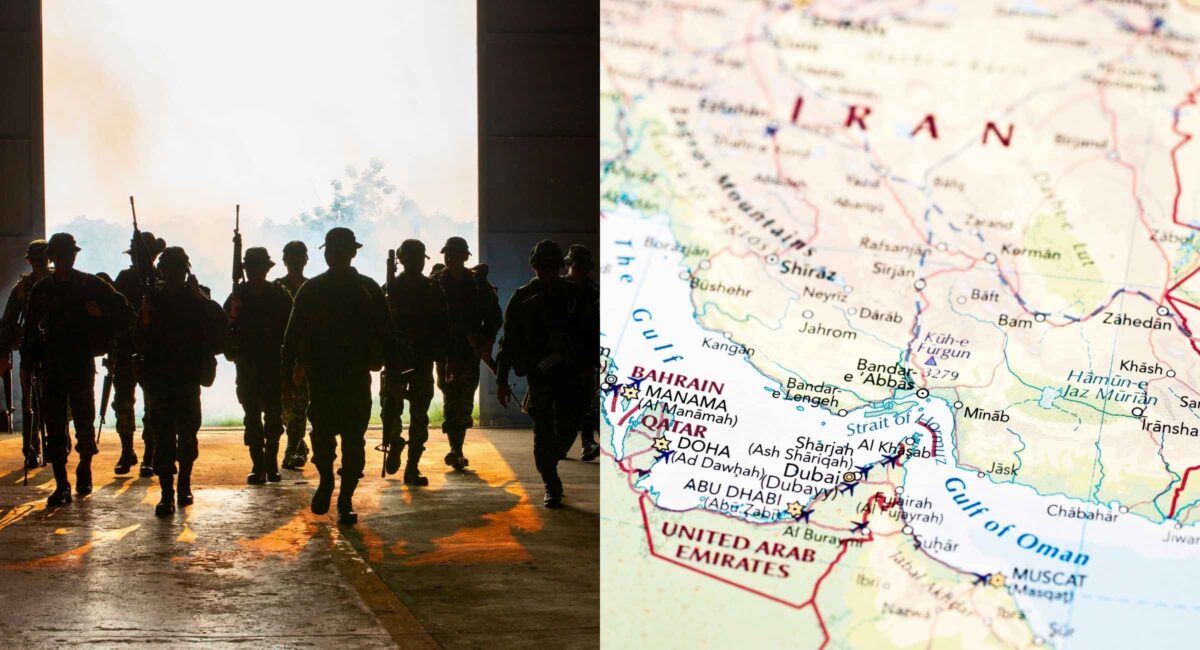
82nd Airborne Paratroopers are now being prepared for deployment to the Middle East, with between 1,500 and 3,000 U.S. troops expected to move as part of rapid-response contingency planning tied to the Iran conflict. The Pentagon has not confirmed a full ground invasion, but this deployment significantly expands U.S. military options—including securing strategic targets, reinforcing regional bases, or preparing for limited ground operations.
That’s the headline. But the real story runs deeper—and frankly, more serious—than a simple troop movement.
Why the 82nd Airborne Deployment Matters Right Now
From years covering defense strategy, I can tell you this:
You don’t move the 82nd Airborne unless you’re preparing for speed, escalation, or both.
This isn’t a routine rotation. It’s a signal.
A Rapid-Response Force Built for Crisis
The 82nd Airborne Division is the U.S. Army’s Immediate Response Force (IRF)—a unit designed to deploy anywhere globally within 18 hours and establish a foothold in hostile territory.
- Brigade-sized force: ~3,000 troops
- Full combat readiness within 72 hours
- Capable of parachute assault into active conflict zones
In practical terms, this means the Pentagon is positioning itself for fast, decisive action—not prolonged buildup.
What Triggered This Deployment
1. Escalating Iran Conflict Entering Critical Phase
The U.S.-Iran conflict—now several weeks in—has intensified:
- Thousands of U.S. strikes reported
- Rising casualties (including American personnel)
- Ongoing instability around key oil routes like the Strait of Hormuz
At the same time:
- Washington claims diplomatic progress
- Tehran has publicly denied negotiations
That contradiction is key. It suggests diplomacy isn’t stabilizing the situation—at least not yet.
2. Pentagon Expanding Military Options
Defense officials are careful with language. And right now, their wording is telling.
- No confirmed order for ground invasion
- But “all options remain open”
- Deployment designed to “support operations” and “deter escalation”
Translation (based on experience):
This is pre-positioning—creating the ability to act quickly if political decisions change.
What Could the 82nd Airborne Actually Do?
This is where speculation meets military reality. Based on doctrine and past deployments, there are several likely scenarios.
Scenario 1: Securing Strategic Infrastructure
One of the most discussed options involves seizing critical Iranian assets, such as:
- Oil export hubs (e.g., Kharg Island)
- Airfields or logistics corridors
- Coastal positions near the Strait of Hormuz
Airborne units specialize in exactly this:
rapid entry, capture, hold—then hand over to heavier forces.
Scenario 2: Reinforcing U.S. Bases and Allies
A more immediate and lower-risk role:
- Protect U.S. embassies and personnel
- Reinforce bases across the Gulf region
- Support allied forces (including Israel and regional partners)
This is often the first step before any escalation.
Scenario 3: Limited Ground Operation (High-Risk Option)
Let’s be clear—this is not confirmed. But it’s being discussed.
Military planners are evaluating whether airborne troops could:
- Conduct short-duration raids
- Secure sensitive sites (including nuclear-related facilities)
- Exit quickly after mission completion
Experts warn: airborne forces are light infantry, meaning they’re vulnerable without rapid reinforcement.
The Bigger Military Build-Up (It’s Not Just the 82nd)
What makes this moment more serious is the broader context.
Alongside the 82nd Airborne:
- ~2,500 Marines already deployed via amphibious groups
- Additional naval assets positioned near Iran
- Total U.S. troop presence in the region already ~50,000
This isn’t a single move. It’s a layered strategy.
Why the Pentagon Canceled Training Exercises
One of the earliest warning signs came weeks ago—before headlines caught up.
The Army abruptly canceled major 82nd Airborne training exercises at Fort Bragg, keeping the unit on standby.
That’s unusual.
Training cancellations at that scale typically indicate:
- Imminent operational readiness requirements
- Classified contingency planning
- Anticipation of rapid deployment orders
In other words—the groundwork was laid well before today’s headlines.
Political Reality: No Ground War… Yet
Despite the military buildup, the White House position remains cautious.
- No official decision to deploy troops inside Iran
- Public messaging emphasizes deterrence
- Domestic support for escalation remains limited (~35% approval)
From an editorial standpoint, this creates a tension:
The military is preparing for escalation faster than the political system is ready to approve it.
That gap matters. Historically, it’s where miscalculations happen.
Market and Global Impact (Why This Isn’t Just Military News)
If you’ve been tracking markets (and I have closely this week), this deployment is already influencing:
- Oil price spikes
- Stock market volatility
- Defense sector gains
Why? Because troop movement signals commitment—and markets react to commitment, not just rhetoric.
What Happens Next?
Here’s what to watch closely over the next 48–72 hours:
🔹 Official Pentagon Orders
A signed deployment order would confirm movement timelines.
🔹 Location Disclosure
Where the troops are sent matters more than how many.
🔹 Rules of Engagement
Defensive posture vs. offensive readiness—this will define escalation risk.
🔹 Iran’s Response
Any retaliation or mobilization could accelerate events dramatically.
Conclusion: A Strategic Signal, Not Yet a War Decision
The deployment of 82nd Airborne Paratroopers is not a declaration of ground war—but it’s the clearest signal yet that the U.S. is preparing for one.
Here’s the reality:
- Troops: Ready
- Logistics: Moving
- Options: Expanding
- Decision: Still pending
Editorial Insight
From a defense reporting standpoint, this is a classic “position before decision” phase. The military is building capability first—so political leaders aren’t constrained later.
That’s smart strategy.
But it also means the window for de-escalation is narrowing.
And once airborne units are in position, history shows—events tend to move faster than diplomacy.