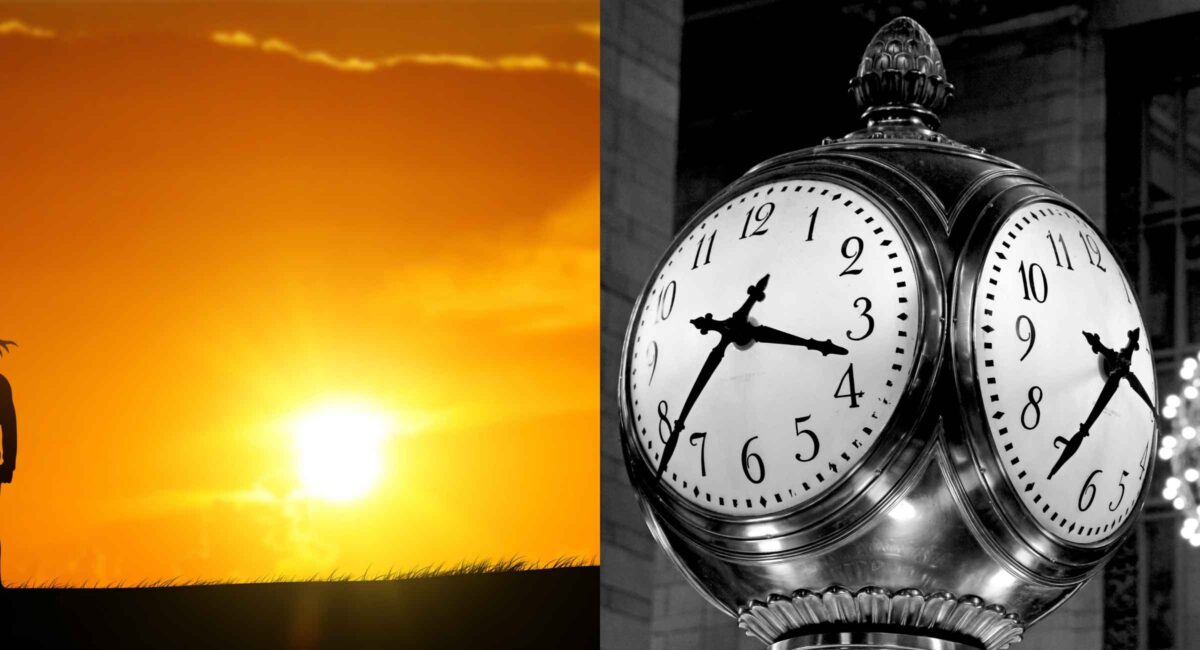
If you’re wondering whether Daylight Savings 2026 means losing an hour tonight, the answer is yes—most of the United States will “spring forward” by one hour at 2:00 a.m. on Sunday, March 8, 2026. At that moment, clocks jump directly from 2:00 a.m. to 3:00 a.m., meaning people effectively lose one hour of sleep but gain longer evening daylight through the spring and summer months.
This annual shift marks the start of Daylight Saving Time (DST), which will remain in effect until November 1, 2026, when clocks move back again.
What Happens During Daylight Savings 2026 Tonight?
The mechanics of the change are simple but often confusing.
The Exact Time Change
- Date: Sunday, March 8, 2026
- Time: 2:00 a.m. local time
- Action: Clocks move forward one hour
- Result: 2:00 a.m. becomes 3:00 a.m. instantly
Because of this shift, one hour disappears from the night, which is why many people say they “lose an hour.”
The payoff arrives immediately afterward: sunset occurs roughly one hour later, giving longer daylight evenings throughout spring and summer.
Why the Time Change Happens in March
The United States follows a standardized DST schedule established under the Uniform Time Act of 1966 and later expanded in 2007.
Today’s rules are simple:
- DST starts on the second Sunday in March
- DST ends on the first Sunday in November
This schedule means that in 2026, the start date falls on March 8.
Historically, the system was created to better align waking hours with daylight, originally tied to wartime energy conservation efforts during World War I and World War II.
Whether that benefit still exists is heavily debated among economists, policymakers, and sleep researchers.
Do All Places Observe Daylight Savings 2026?
No. While most U.S. states follow DST, several regions do not change their clocks at all.
Areas That Do NOT Observe DST
- Hawaii
- Most of Arizona (except the Navajo Nation)
- U.S. territories, including:
- Puerto Rico
- Guam
- American Samoa
- U.S. Virgin Islands
- Northern Mariana Islands
Residents in these areas stay on standard time year-round, avoiding the biannual clock change entirely.
Internationally, DST rules vary widely. Many European countries will make their spring time change later in March, while others have abolished the practice altogether.
Health and Sleep Effects of “Spring Forward”
From years covering science and public policy, one pattern always emerges every March: sleep experts warn about the biological shock of losing an hour overnight.
Recent research cited by cardiology and sleep studies suggests the shift can temporarily affect human health.
Key findings reported by researchers include:
- Increased heart attack risk the Monday after the switch
- Higher rates of car accidents and workplace injuries
- Short-term disruption of circadian rhythms
Some studies observed a 24% spike in heart attacks after the spring time change, likely due to sleep deprivation and circadian misalignment.
Economic researchers also estimate the annual clock change costs the U.S. economy hundreds of millions of dollars due to health and productivity impacts.
This is why sleep specialists often recommend gradually adjusting bedtime a few days before the change.
Quick Tips to Handle the Time Change
If the March clock shift always leaves you feeling jet-lagged, these strategies can help smooth the transition.
1. Go to Bed 15–20 Minutes Earlier
Start adjusting sleep time a few nights before the change to reduce the shock.
2. Get Morning Sunlight
Exposure to natural light helps reset your internal clock.
3. Avoid Late Caffeine
Caffeine can worsen sleep disruptions during the transition week.
4. Update Manual Clocks Before Bed
Most smartphones adjust automatically, but ovens, microwaves, and car clocks usually don’t.
When Clocks Change Again in 2026
After the March “spring forward,” the next time change will occur in the fall.
End of Daylight Saving Time 2026
- Date: November 1, 2026
- Time: 2:00 a.m.
- Action: Clocks move backward to 1:00 a.m.
- Result: You gain one extra hour of sleep.
That moment marks the return to standard time for winter.
The Bigger Debate: Will Daylight Saving Time End?
Few time-keeping policies spark as much political debate as DST. Over the past decade, lawmakers in the United States have repeatedly proposed bills such as the Sunshine Protection Act, which would make daylight saving time permanent.
So far, none have passed both chambers of Congress.
Meanwhile, several regions worldwide are experimenting with permanent time systems—either year-round standard time or permanent DST. The debate typically centers on three competing priorities:
- Energy consumption
- Public health
- Economic activity after sunset
The evidence remains mixed, which is why the biannual clock change continues—for now.
Conclusion
For Daylight Savings 2026, the key takeaway is simple: yes, you lose one hour tonight on March 8 when clocks jump forward at 2 a.m. to start daylight saving time. The change delivers longer evening daylight but briefly disrupts sleep and daily routines.
Whether the system survives long-term is still an open question. But until lawmakers settle the debate, the familiar ritual of “spring forward, fall back” remains part of life for millions each year.
And tonight, that missing hour is the price we pay for brighter evenings ahead.