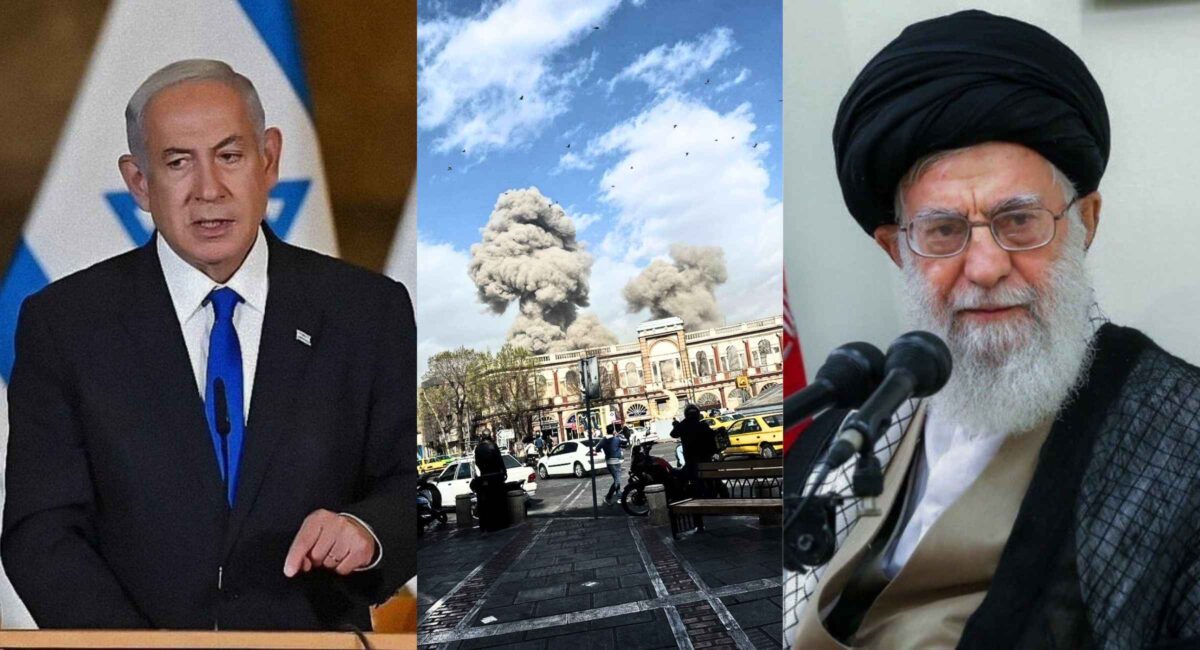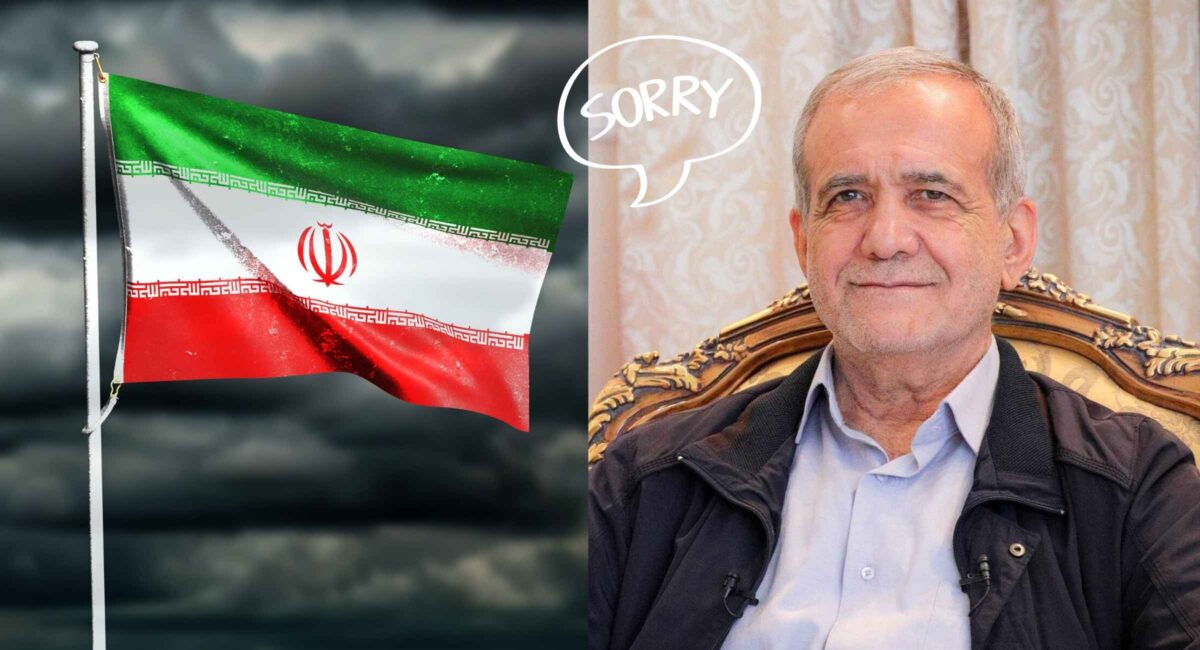
The geopolitical landscape of the Middle East shifted violently on Saturday, March 7, 2026, as Iranian President Masoud Pezeshkian issued an unprecedented public apology to neighboring Gulf states for recent missile and drone strikes. Speaking via a prerecorded address on state television, Pezeshkian announced that Iran’s interim leadership council has officially approved a suspension of attacks against neighboring countries, signaling a desperate attempt to de-escalate regional tensions while the nation remains under a relentless “broad-scale” bombardment from U.S. and Israeli forces.
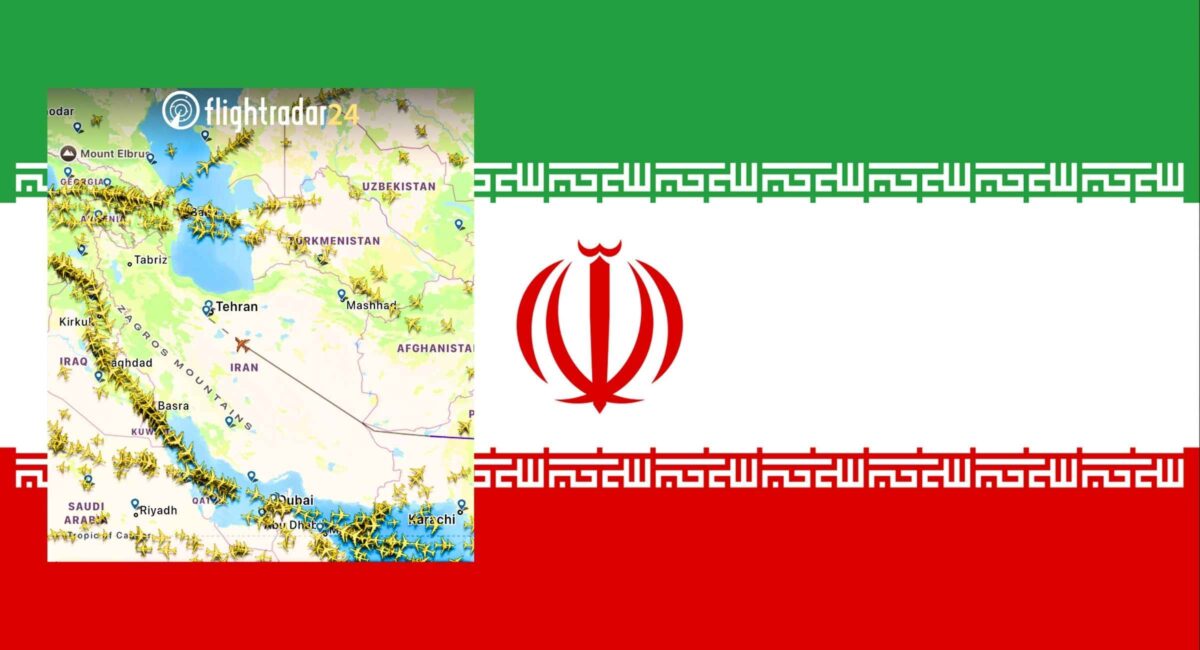
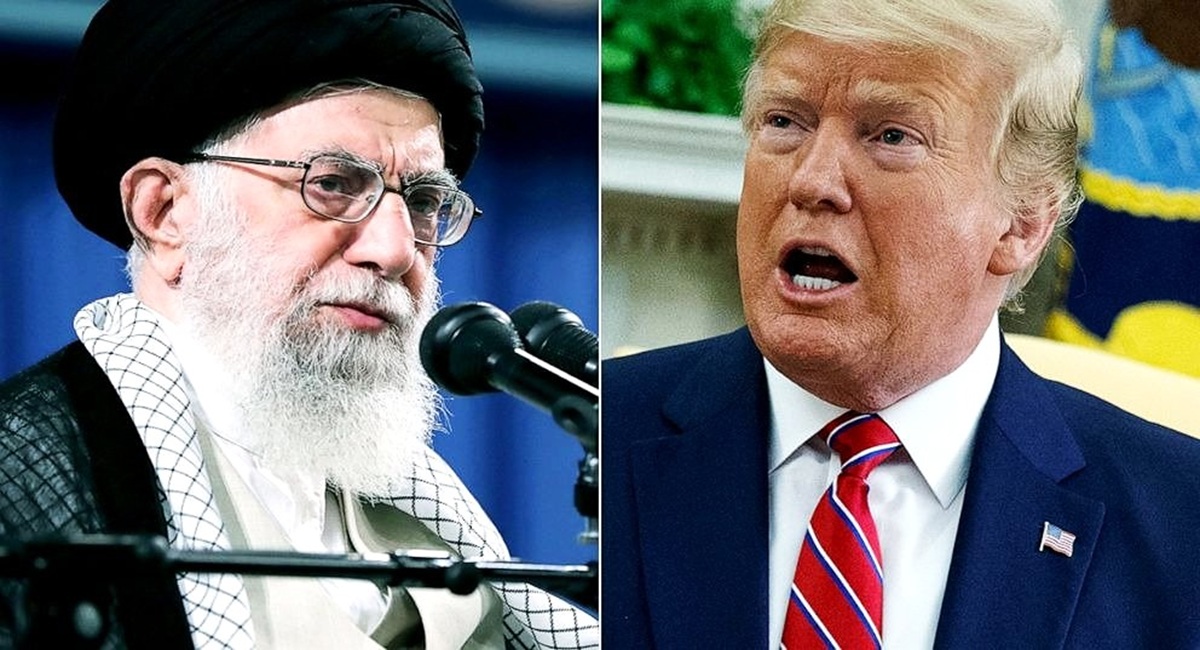
Iran has officially halted strikes on neighboring countries like Saudi Arabia, the UAE, Bahrain, and Kuwait as of March 7, 2026. President Pezeshkian characterized the previous week’s attacks on Gulf infrastructure—which disrupted global aviation and energy markets—as the result of “miscommunication in the ranks” following the death of Supreme Leader Ayatollah Ali Khamenei. However, the President maintained a defiant stance against the West, vowing that Iran will not target neighbors unless an attack on Iranian soil originates from their territory, while simultaneously rejecting U.S. President Donald Trump’s demand for an unconditional surrender as a “dream they should take to their grave.”
The Olive Branch in the Eye of the Storm: Why Iran is Apologizing
For those of us who have tracked the IRGC’s “Forward Defense” doctrine for decades, this apology is nothing short of a tactical pivot born of necessity. Iran is currently fighting for its functional existence under Operation Epic Fury, the joint U.S.-Israeli campaign that began on February 28.
The Content of the Apology
Pezeshkian’s address was not just a diplomatic note; it was a plea for regional neutrality.
- The “Miscommunication” Defense: By blaming “miscommunication in the ranks” for strikes on Dubai International Airport and Saudi oil facilities, Pezeshkian is attempting to distance the political leadership from the more radical elements of the IRGC.
- The Red Line for Neighbors: The new policy is clear: No missiles will be fired at neighbors unless those countries allow the U.S. or Israel to use their airspace or bases for direct strikes on Iran.
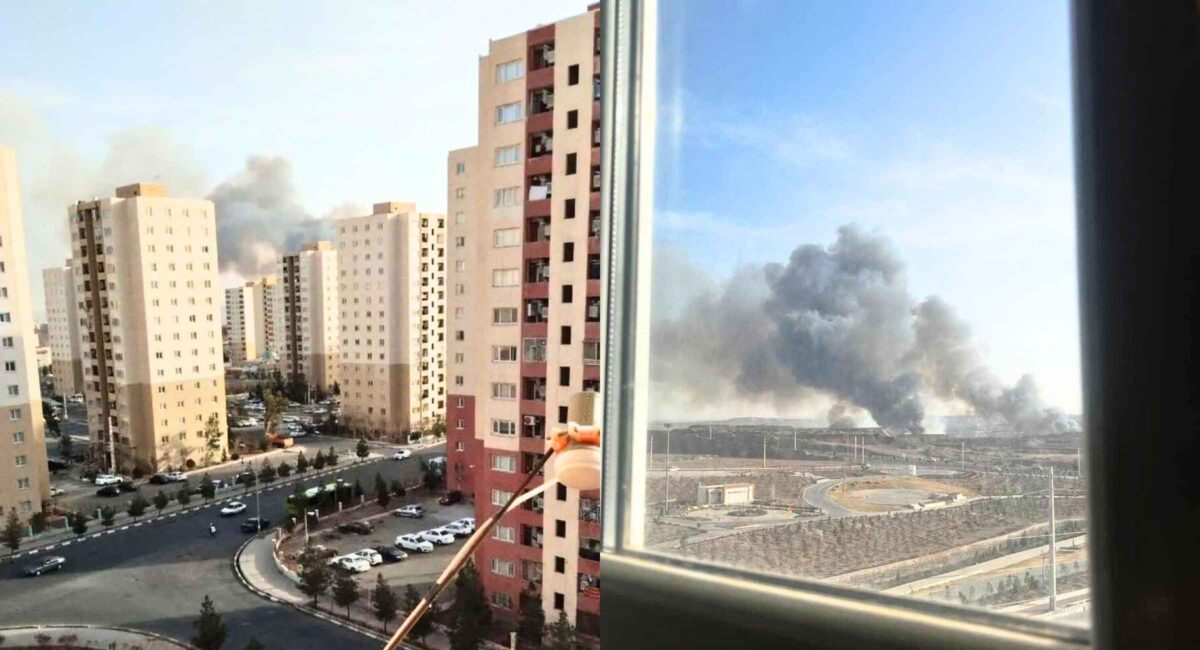
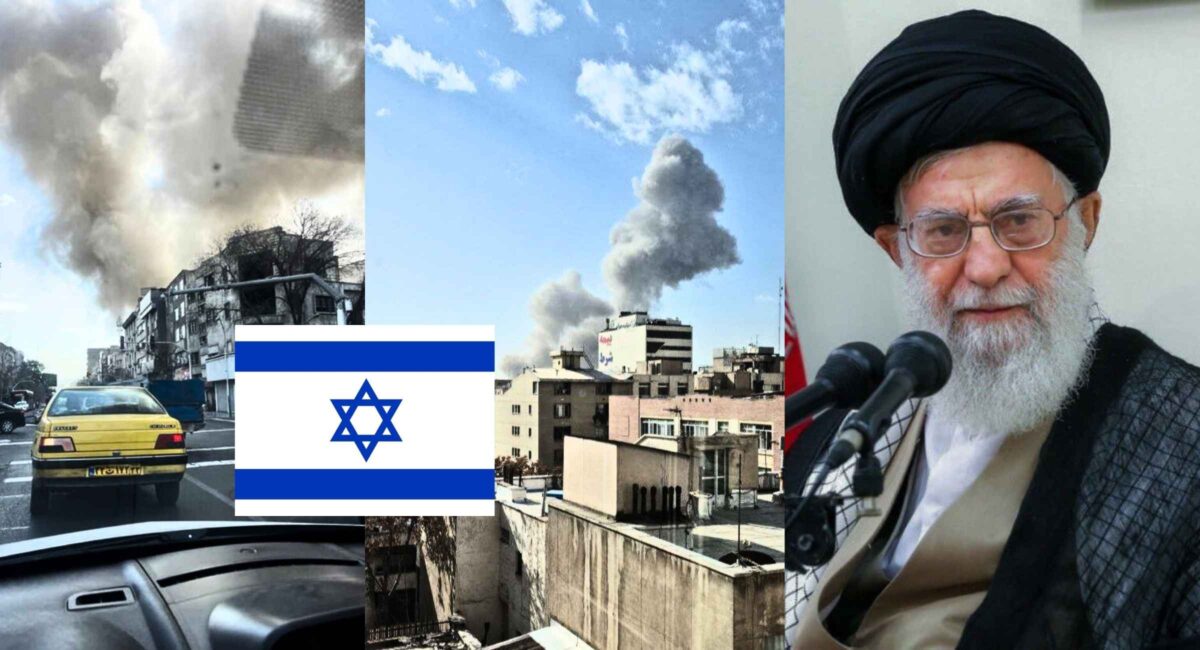
- Economic Desperation: With the rial in freefall and Tehran’s Mehrabad Airport currently on fire (following a fresh blitz of 80 Israeli jets this morning), Iran cannot afford a multi-front war that includes a united Arab coalition.
Trump’s “Unconditional Surrender” and the Looming Oil Seizure
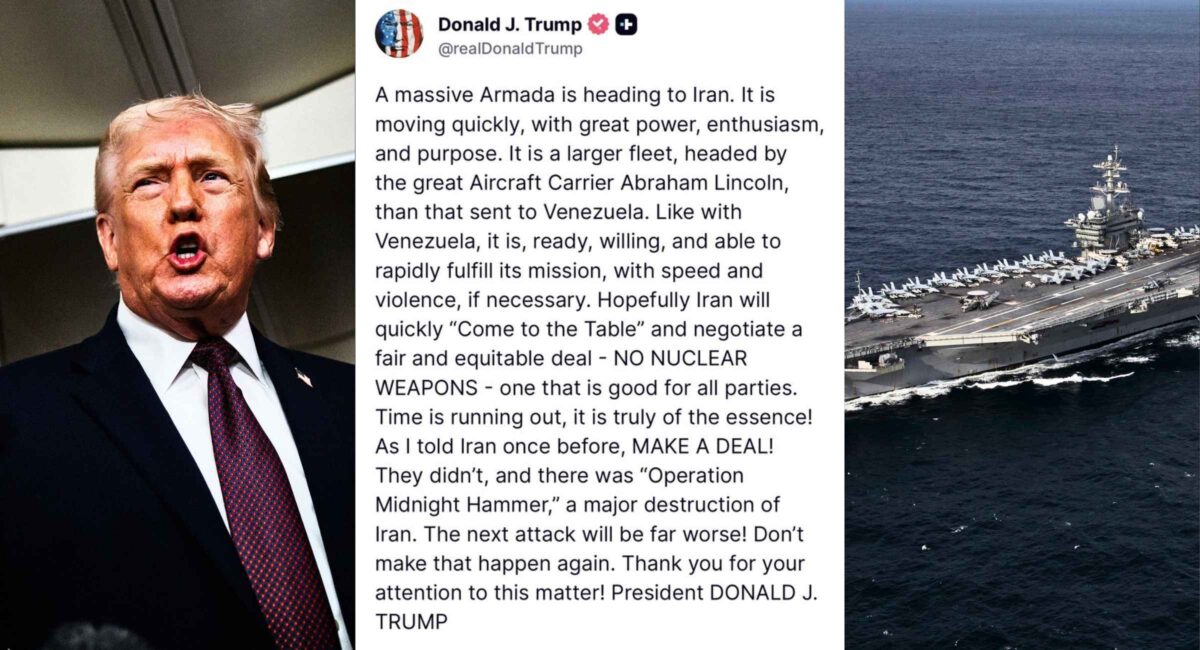
While Tehran reaches out to its neighbors, Washington is tightening the noose. President Trump’s rhetoric has moved past “containment” and settled firmly on “regime collapse.”
The Surrender Mandate
On Friday, March 6, President Trump stated that only an unconditional surrender would stop the strikes. This isn’t just a tough-talk negotiation tactic; it’s the cornerstone of a strategy to permanently dismantle Iran’s military capacity.
- The Nuclear Factor: The U.S. aims to ensure Iran never reaches “breakout” capability.
- The Oil Reserves: Rumors and preliminary reports from Treasury Secretary Scott Bessent suggest the U.S. is eyeing the seizure or international “custodianship” of Iranian oil reserves as reparations for the conflict and to fund a post-war transition. In a Friday interview, Bessent teased that the “biggest bombing campaign” is yet to come, likely targeting Iran’s remaining energy infrastructure to force a total economic halt.
Current Status: March 7, 2026, Battlefield Report
The situation on the ground remains fluid and incredibly lethal. Despite the apology to neighbors, the war between the “Core Three” (US, Israel, Iran) is intensifying.
Operation Epic Fury vs. True Promise 4
| Combatant | Recent Actions (Past 24 Hours) |
| Israel (IDF) | Launched a massive blitz with 80 fighter jets on Tehran; hit Mehrabad Airport and IRGC command centers. |
| United States | Struck over 3,000 targets since Feb 28; confirmed 17 Iranian ships (including 1 sub) destroyed. |
| Iran (IRGC) | Launched ballistic missiles at Tel Aviv and Jerusalem; sirens sounded 6 times in 24 hours. |
| Casualties | 1,332+ deaths in Iran (per Red Crescent); 11 in Israel; 6 U.S. service members KIA. |
The Lebanon & Gulf Front
- Lebanon: Israel has officially confirmed ground operations in Southern Lebanon. The Lebanese Health Ministry reports 200+ dead and 300,000 displaced as the IDF pushes toward the Litani River.
- Aviation: Emirates and other Gulf carriers have suspended all flights to and from Dubai “until further notice.” The message to travelers is blunt: “Please do not go to the airport.”
Strategic Analysis: Can the Apology Hold?
In my editorial assessment, Pezeshkian’s apology is a “hail mary” to prevent a total regional blockade. However, there are three significant hurdles to this “halt” on strikes:
- The IRGC “Deep State”: The political leadership in Tehran (the three-man interim council) may not have full operational control over the missile batteries. If a rogue commander launches at a U.S. base in Qatar or Bahrain, the “apology” becomes moot.
- The U.S. Base Dilemma: Most Gulf neighbors do host U.S. bases (Al Udeid in Qatar, Ali Al Salem in Kuwait). If the U.S. continues to launch B-2 bombers from these locations, Iran’s “no attack unless provoked” clause will be triggered immediately.
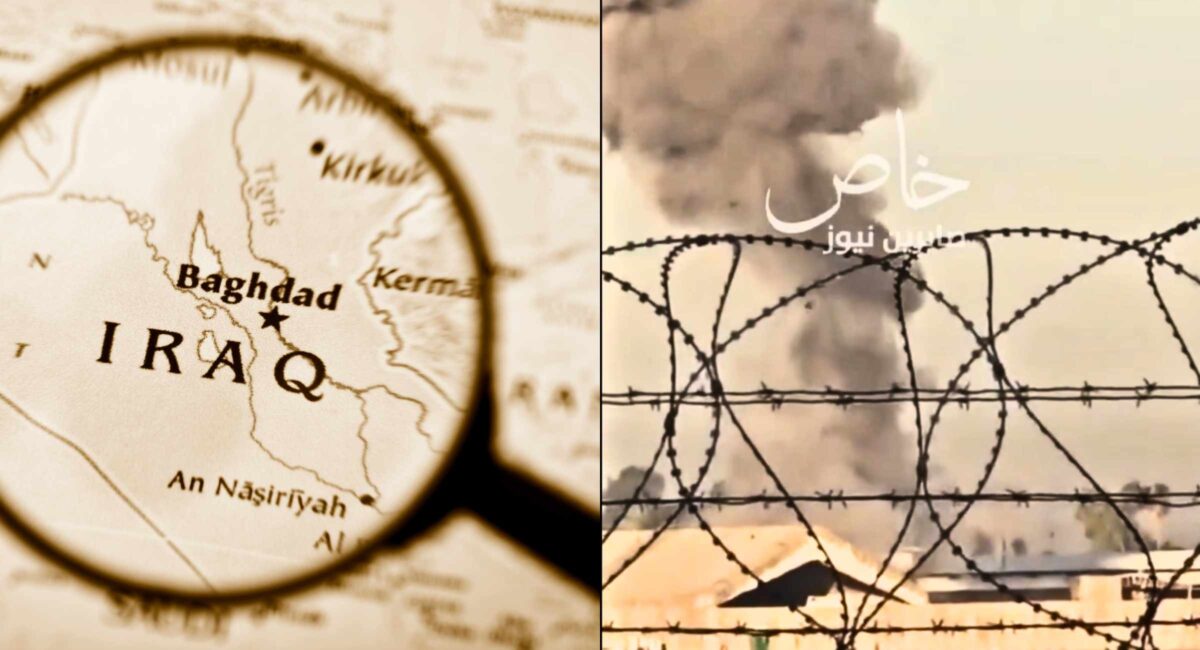
- The Israeli Ground Push: As Israel moves into Lebanon, the “Axis of Resistance” (Hezbollah, Houthis, Iraqi militias) will feel compelled to escalate, likely ignoring Pezeshkian’s diplomatic maneuvering.
Conclusion: A Region Redefined
We are no longer in a cycle of “tit-for-tat.” This is a fundamental reordering of the Middle East. President Pezeshkian’s apology is an admission that the old “Shadow War” is over and Iran is losing the overt one. But with Trump demanding a 1945-style surrender and the U.S. eyeing Iran’s 150+ billion barrels of oil as a strategic asset, the path to peace is blocked by insurmountable demands.
The coming 48 hours will be decisive. If the Gulf states accept Iran’s apology and deny the U.S. further use of their territory for offensive sorties, the war might remain contained to a bilateral slaughter. If they refuse, we are looking at a “Forever War” that could see the first seizure of a sovereign nation’s oil reserves in the 21st century.