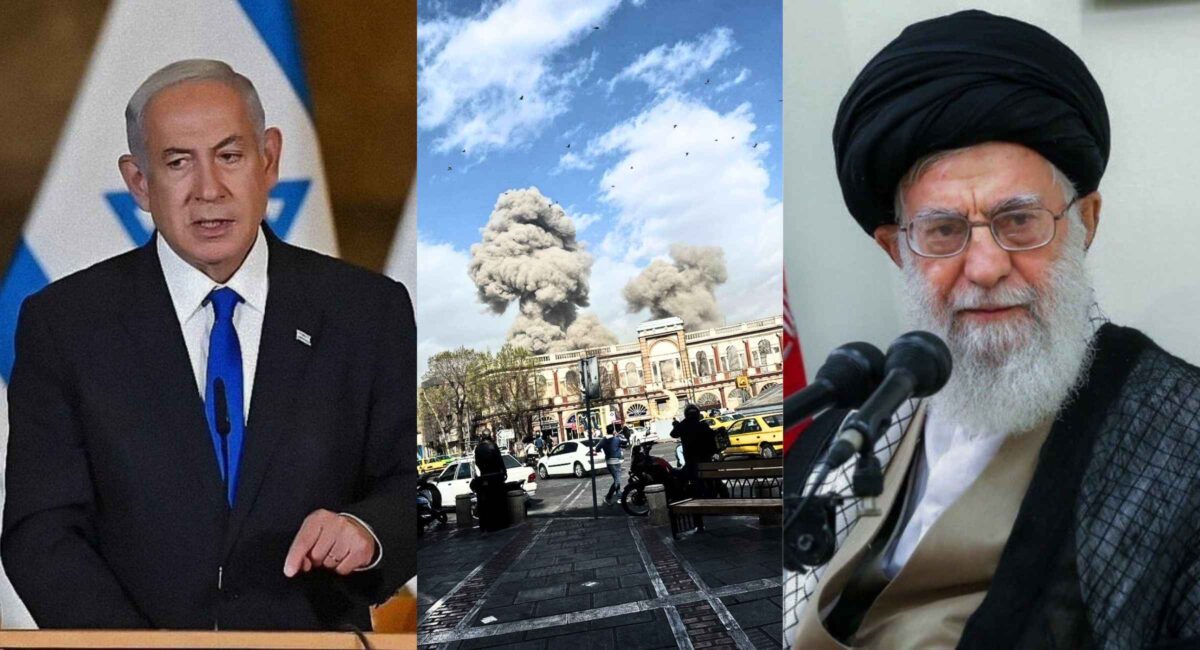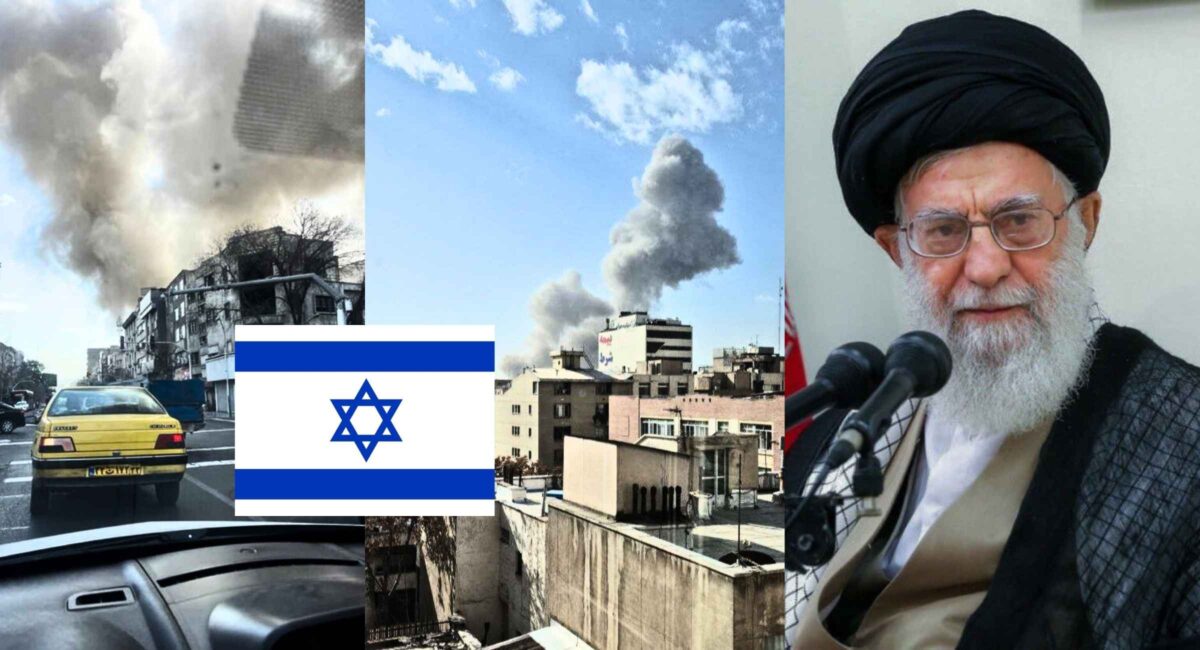
The Middle East has entered a harrowing new chapter of high-intensity warfare. On Saturday, March 7, 2026, the conflict between the Israel-U.S. coalition and the Islamic Republic of Iran escalated into a “broad-scale” aerial blitz. As the war enters its second week, the tactical focus has shifted from high-value leadership decapitation to the systematic destruction of Iran’s functional and military infrastructure.
The primary status of the Israel-Iran attack as of March 7, 2026, involves a fresh wave of strikes by 80 Israeli fighter jets targeting Tehran’s Mehrabad Airport and IRGC command centers. Simultaneously, Iran has launched dozens of ballistic missiles toward Tel Aviv and Jerusalem, triggering nationwide air raid sirens. The conflict, dubbed “Operation Epic Fury” by the U.S., has resulted in over 1,300 deaths in Iran and nearly a dozen in Israel, while spreading to Lebanon, the Persian Gulf, and the Indian Ocean.
The Saturday Blitz: 80 Jets Hammer Tehran
In the early hours of March 7, the Israeli Defense Forces (IDF) announced a “new phase” of their offensive. This wave is significantly larger than previous sorties, aiming to cripple Tehran’s ability to coordinate its remaining forces.
Critical Targets and Damage Reports
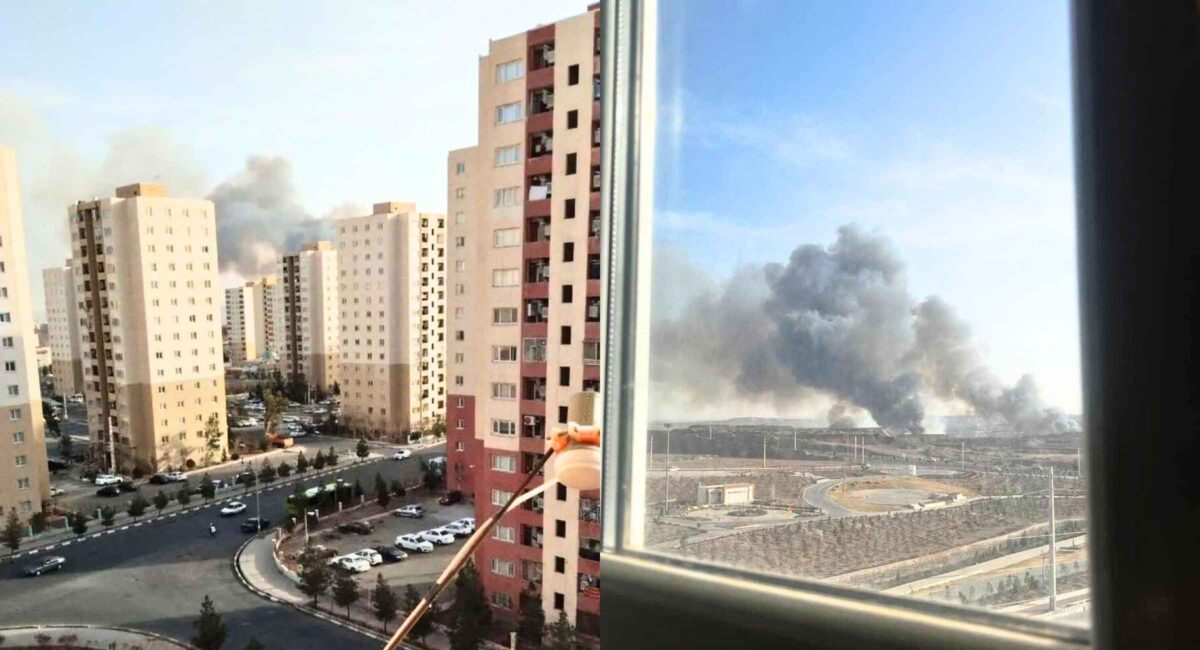
- Mehrabad International Airport: Verified reports from The Hindu and Tasnim News confirm that Israeli strikes set a portion of Tehran’s main airport on fire early Saturday morning. This is a strategic move to prevent regime officials from fleeing and to ground the remnants of the Iranian Air Force.
- Isfahan and Central Iran: The IDF confirmed strikes against “key Iranian regime military infrastructure” in Isfahan, a city central to Iran’s missile and nuclear programs.
- Beirut and Nabi Chit: The Lebanese Health Ministry reported at least 16 deaths in the last 24 hours, including three Lebanese army troops, as Israel expanded its campaign against Hezbollah targets.
Source Insight: According to The Hindu, Iran’s President Masoud Pezeshkian has vowed “no surrender” despite the intensity of the bombardment.
Iran’s Retaliation: Ballistic Barrages and Regional “True Promise 4”
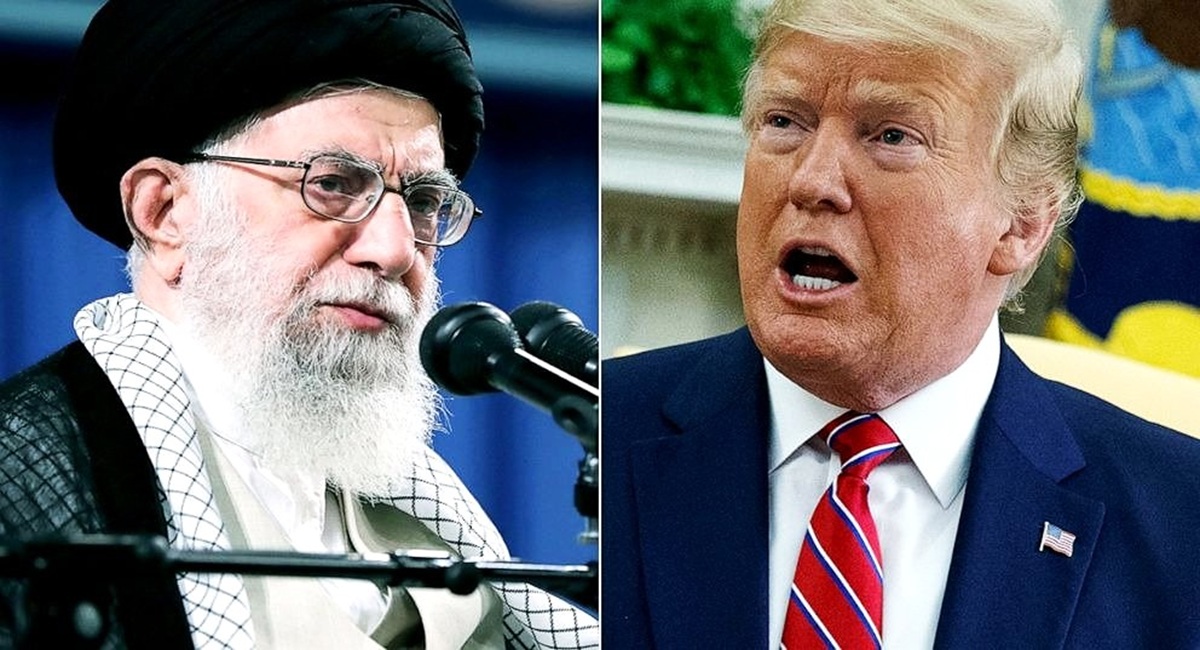
Iran’s military response, designated “Operation True Promise 4”, remains potent despite the death of Supreme Leader Ayatollah Ali Khamenei on February 28.
Strikes on Israel
On Saturday, air raid sirens and explosions were heard in Jerusalem and Tel Aviv. While Israel’s multi-layered defense system (Arrow-3, David’s Sling, and Iron Dome) intercepted the majority of the fire, the Guardian reports that at least six air raid alerts were issued across Israel in a 24-hour window. Since the war began, 11 people have been killed in Israel by Iranian missile impacts.
The Gulf Front: A Shifting Tactic
In a notable shift, President Pezeshkian apologized for previous strikes on neighboring Arab countries, stating that Iran will no longer target Gulf states unless they are used as launchpads for U.S./Israeli aggression.
- Saudi Arabia: Intercepted a ballistic missile targeting Prince Sultan Air Base on March 6.
- Maritime Impact: Shipping giant MSC has announced emergency fuel surcharges as the conflict disrupts the Red Sea and Indian Ocean. A U.S. submarine reportedly sank an Iranian warship in the Indian Ocean earlier this week.
Strategic Overview: Operation Epic Fury
U.S. Central Command (CENTCOM) chief Admiral Brad Cooper described the current mobilization as the largest U.S. military build-up in the Middle East in a generation.
| Metric | Status (as of March 7, 2026) |
| U.S. Personnel | Over 50,000 troops deployed |
| U.S. Targets Hit | Approximately 3,000 since Feb 28 |
| Naval Conflict | 17 Iranian ships (including 1 sub) destroyed |
| Death Toll (Iran) | ~1,332 (per Iranian Red Crescent) |
| Death Toll (Lebanon) | ~200+ |
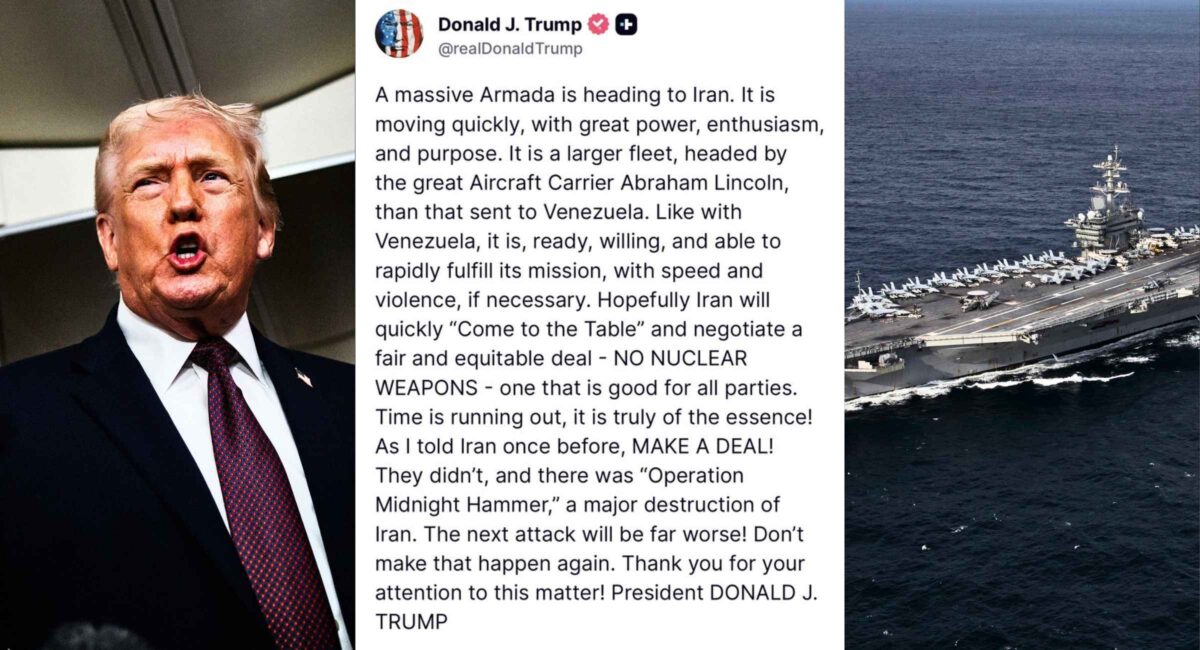
U.S. Objectives: President Trump has outlined four core goals: the total destruction of Iran’s navy, the elimination of its ballistic missile program, the neutralization of its nuclear breakout capability, and facilitating “regime change”.
The Humanitarian and Economic Toll
The human cost of the war is rising exponentially. In Tehran, the Iranian Red Crescent reports that hospitals are overwhelmed, and citizens are fleeing major cities for the countryside.
- Refugee Crisis: Orders to evacuate Beirut’s southern suburbs have displaced 300,000 people in Lebanon.
- Energy Markets: Oil prices are surging as the Strait of Hormuz remains a “high-risk” zone. While not officially closed, the destruction of Iranian naval assets has limited Tehran’s ability to block the channel entirely.
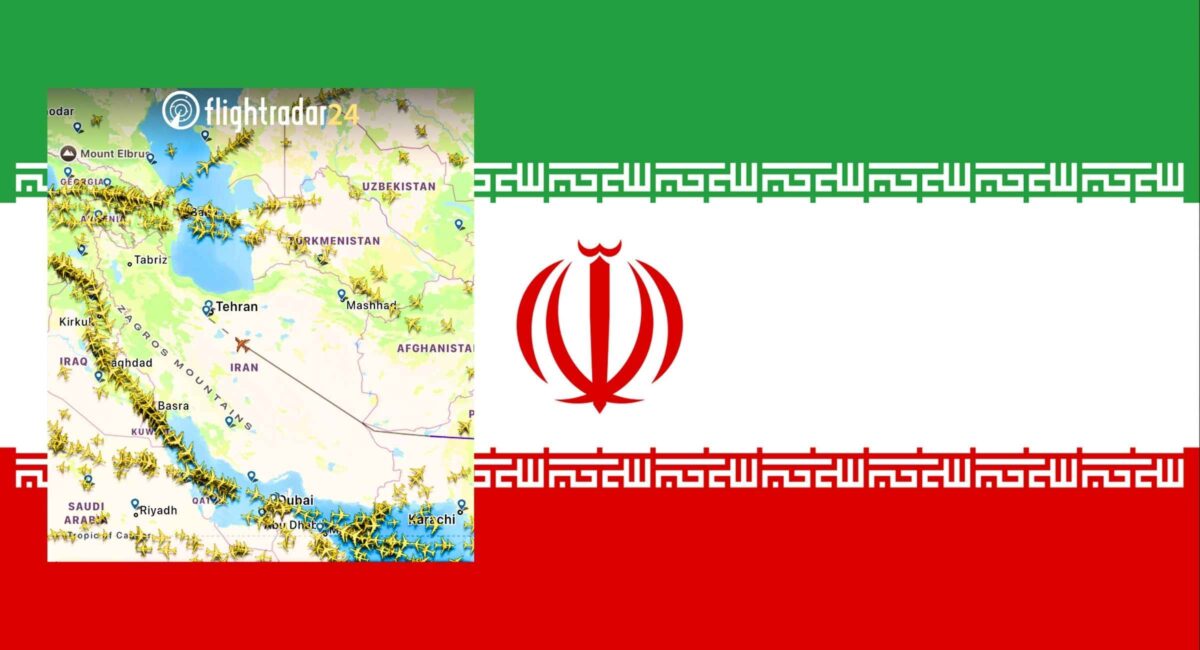
- Global Travel: Major hubs in Dubai and Qatar have faced partial closures, leaving thousands of travelers—including hundreds of students from India—stranded.
Editorial Opinion: The Vacuum After Khamenei
From my perspective as an editor following this crisis, the death of Ali Khamenei has created a “Martyrdom Narrative” that the IRGC is using to maintain internal discipline. However, the appointment of Ayatollah Alireza Arafi as interim leader suggests the clerical establishment is desperate for continuity. The real question is whether the decentralized command—where units act largely on their own—will lead to a catastrophic miscalculation or a grinding war of attrition that the West didn’t fully prepare for.
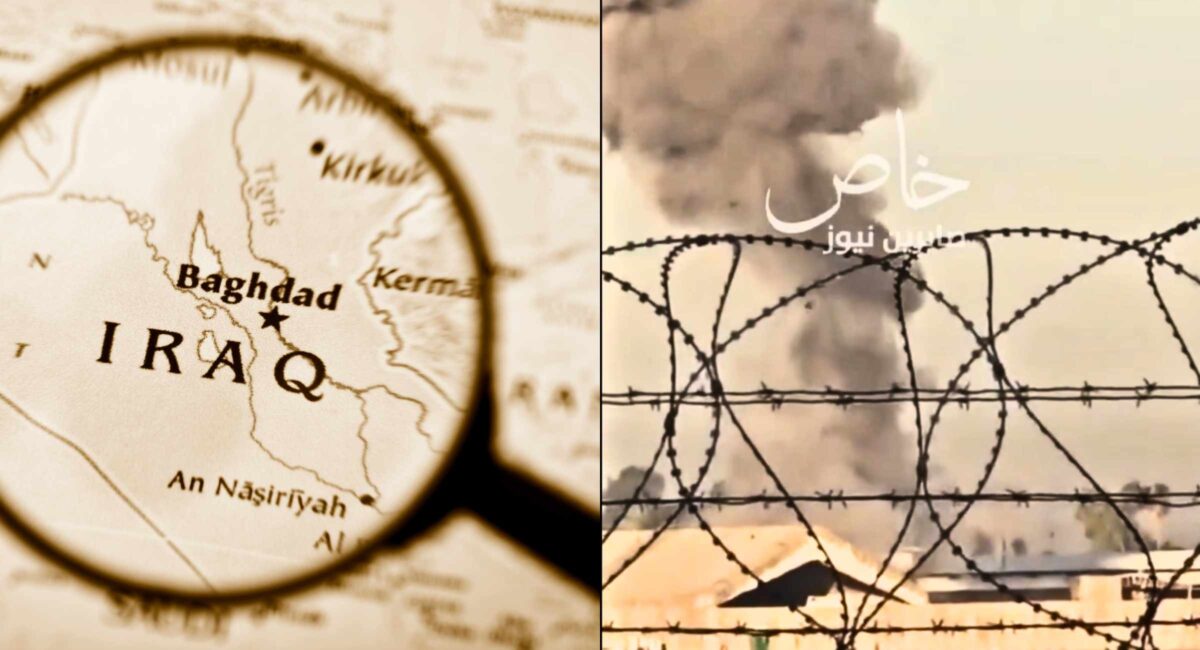
The U.S. and Israel have established air supremacy, but as we saw in Iraq and Afghanistan, “suppressing air defenses” is very different from “governing a vacuum.”