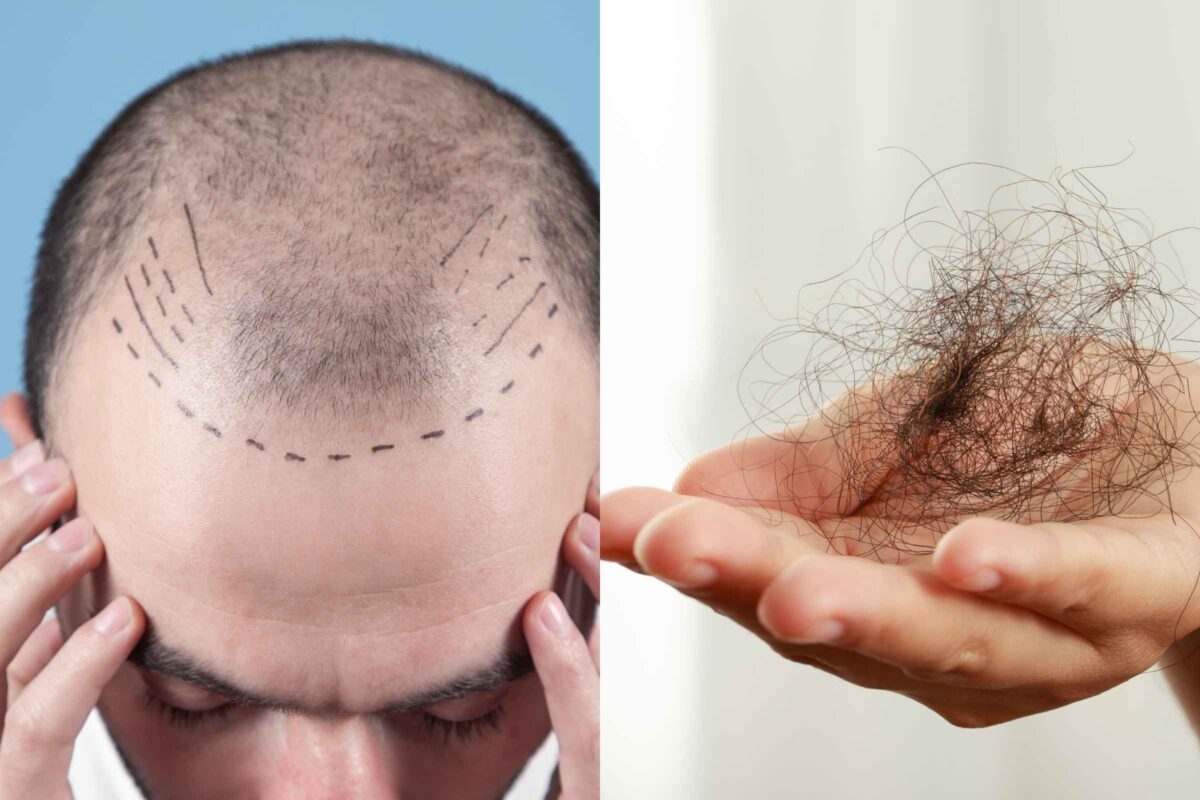
Hair fall in young adults is increasingly reported by dermatologists, raising concerns among people in their 20s who previously expected a full head of hair. The phenomenon can stem from a mix of genetic, nutritional, hormonal and lifestyle factors — but with early action, many of the contributing causes can be addressed.
Understanding the trend
Hair fall in young adults — defined here broadly as increased shedding or thinning in people aged roughly 20‑30 — is not necessarily permanent, yet warrants attention. The most common form of hair loss remains hereditary pattern baldness (Androgenetic Alopecia), which typically begins later, but younger adults are showing signs earlier than before.
In addition, the stress of modern life, nutritional deficits, hormonal imbalances and aggressive hair styling are contributing to premature thinning and shedding. According to one recent overview, about 73 % of all hair loss in non‑scarring types falls into forms such as androgenetic alopecia or telogen effluvium.
For young adults, the key question becomes: why is hair fall in young adults happening now — and what can be done?
Key causes of hair fall in young adults
Genetic/hereditary factors
The groundwork for hair fall often lies in heredity. According to the American Academy of Dermatology, shrinking of hair follicles due to inherited genes can begin as early as the teens and 20s, though it is more noticeable later in life. Early onset hair thinning may indicate a strong genetic predisposition and often manifests as a widening part in women or receding hairline in men.
Nutritional and vitamin‐mineral deficiencies
Young adults sometimes overlook their diet amid busy schedules, and several micronutrients are critical for healthy hair growth. For example, research from Harvard Health Publishing highlights that vitamins such as A, B2, B3, B7 (biotin), B9 (folate), B12, C, D, E, and minerals like iron, selenium and zinc all play important roles in maintaining new hair growth and hair follicle function. Another review found that low vitamin D and iron status in particular are linked to conditions like androgenetic alopecia and Alopecia Areata.
It’s important to note that excess intake of certain vitamins — especially vitamin A and selenium — can also trigger hair fall.
Hormonal and medical factors
Hormones matter. For young adults, conditions such as thyroid dysfunction, polycystic ovary syndrome (PCOS) and other endocrine disorders may drive hair fall. For example, hormonal imbalance in women can lead to thinning hair along the scalp. Stressful events or illness can also trigger a type of shedding called Telogen Effluvium, where many hairs shift into the shedding phase at once.
Lifestyle, styling and environmental triggers
Young adults may also face hair fall from non‑medical sources: tight hairstyles (ponytails, braids), chemical treatments, frequent bleaching, excessive heat styling and even nutritional crash diets. According to Healthline, in younger people hair loss may follow tight styling or nutritional stress.
Also, psychological stress and modern lifestyle factors are linked: one survey found that women leading stressful lives were 11 times more likely to suffer hair fall.
What vitamins and minerals really matter?
When addressing hair fall in young adults, these are the nutrients experts focus on:
- Vitamin D: Plays a role in hair follicle growth; low levels are linked to increased hair fall.
- Iron: Essential for oxygen transport in hair follicles; iron deficiency is a known contributor to hair fall.
- Vitamin C: Facilitates iron absorption and supports collagen formation (important for the hair shaft).
- Zinc and selenium: Have roles in DNA/RNA regulation for hair follicles, though strong evidence for hair regrowth is lacking. Excess intake can harm hair.
- Biotin (vitamin B7): Often touted for hair but evidence is weak unless there is a true biotin deficiency.
Practical tip: Rather than self‑medicating high‑dose supplements, experts recommend a balanced diet and evaluation by a doctor or dermatologist to check for deficiencies before supplementation. Harvard’s review states that diet alone meets most vitamin/mineral needs and supplementation should be guided.
Why this matters for young adults
Hair fall in young adults can carry broader consequences than just appearance. Early thinning can impact self‑esteem, social confidence and professional interactions. Also, identifying underlying causes sooner — whether genetic, nutritional or medical — offers better prognosis and options.
For instance, in hereditary hair fall earlier intervention can slow progression. Nutritional or hormonal causes may be reversible if addressed promptly. Delayed action may reduce options or make hair regrowth more difficult.
Moreover, high‑stress lifestyles, poor diet and aggressive styling habits in early adulthood may predispose individuals to faster hair loss trajectories. Recognising and modifying these factors is part of prevention.
What young adults can do to slow or stop hair fall
- See a dermatologist or physician: A professional can evaluate your shedding pattern, order blood tests (iron, vitamin D, thyroid), check for hereditary hair loss and guide treatment.
- Improve diet and lifestyle: Aim for a diet rich in lean protein, iron (red meat, legumes), vitamin D (fatty fish, fortified foods, safe sun exposure) and minimize crash diets. Reduce smoking and high‑stress triggers.
- Gentle hair care: Avoid tight hairstyles, minimize heat/chemical treatments, use gentle brushing and conditioning, and avoid excessive vitamin‑A supplementation.
- Treat underlying conditions: If thyroid dysfunction, PCOS or nutritional deficiency is found, work with your doctor to correct it.
- Consider early treatment for hereditary hair loss: In consultation with a dermatologist, treatments such as topical minoxidil may be initiated earlier for better results. Early treatment is more effective.
Conclusion
Hair fall in young adults is not simply a matter of “too much shampoo” or “bad hairstyle” — it often reflects a combination of genetic predisposition, nutritional shortfalls, hormonal imbalances and lifestyle stressors. With prompt assessment, targeted nutrition, lifestyle adjustments and professional care, many young adults can slow or prevent significant hair thinning. Ignoring these signs may reduce the window of effective intervention.