Health officials in Wake County, North Carolina have confirmed a potential measles outbreak after a contagious individual visited five public locations in Raleigh on February 5–6, 2026, prompting a community exposure alert. Anyone present at these sites during specific times may have been exposed to measles, a highly contagious viral disease — and residents, especially the unvaccinated, young children, pregnant women or immunocompromised individuals, are being urged to check vaccination status, monitor for symptoms, and contact local health authorities.
What Happened — Confirmed Exposure Events in Wake County
On February 5 and 6, 2026, Wake County Public Health reported that a person known to be infected with measles entered several public locations in Raleigh while contagious. Because measles virus particles can remain in the air for up to two hours after an infected person leaves, simply being in the same space during or shortly after the visit can pose an exposure risk.
Exposure Sites and Times — Raleigh, Wake County
The infected individual visited the following places on Feb. 5 (contagious period):
- O2 Fitness — 7801 Alexander Promenade Place: 1:30 p.m.–5:15 p.m.
- Walgreens — 13301 Strickland Road: 3:30 p.m.–5:40 p.m.
- Everbowl Acai Bowls — 7840 Alexander Promenade Place, Suite 125: 3:30 p.m.–5:45 p.m.
- Harris Teeter — 13210 Strickland Road: 5:00 p.m.–7:10 p.m.
- Harris Teeter — 8345 Creedmoor Road: 5:15 p.m.–7:35 p.m.
Health officials are warning that anyone who was at any of these locations during the listed times should consider themselves potentially exposed to measles and follow guidance on watching for symptoms.
Why This Matters
Measles is one of the most contagious viruses known: an infected person can spread it to 9 out of 10 unvaccinated people they meet. The illness can linger in the air and on surfaces for up to two hours, meaning risk remains even after the person has left a space.
Although measles was largely rare in the U.S. for decades thanks to the MMR vaccine, recent resurgences — particularly linked to outbreaks in neighboring states — have increased local risk. North Carolina has recorded measles cases since late 2025, with many involving unvaccinated children and teens.
Symptoms to Watch For — Timeline and Signs
Symptoms of measles typically appear 7–14 days after exposure, but can emerge as late as up to 21 days later. Early signs may mimic a cold before the distinctive rash appears.
Watch for:
- High fever (often above 104°F)
- Cough and runny nose
- Red, watery eyes (conjunctivitis)
- Koplik spots (tiny white spots inside the mouth) appearing ~2–3 days before rash
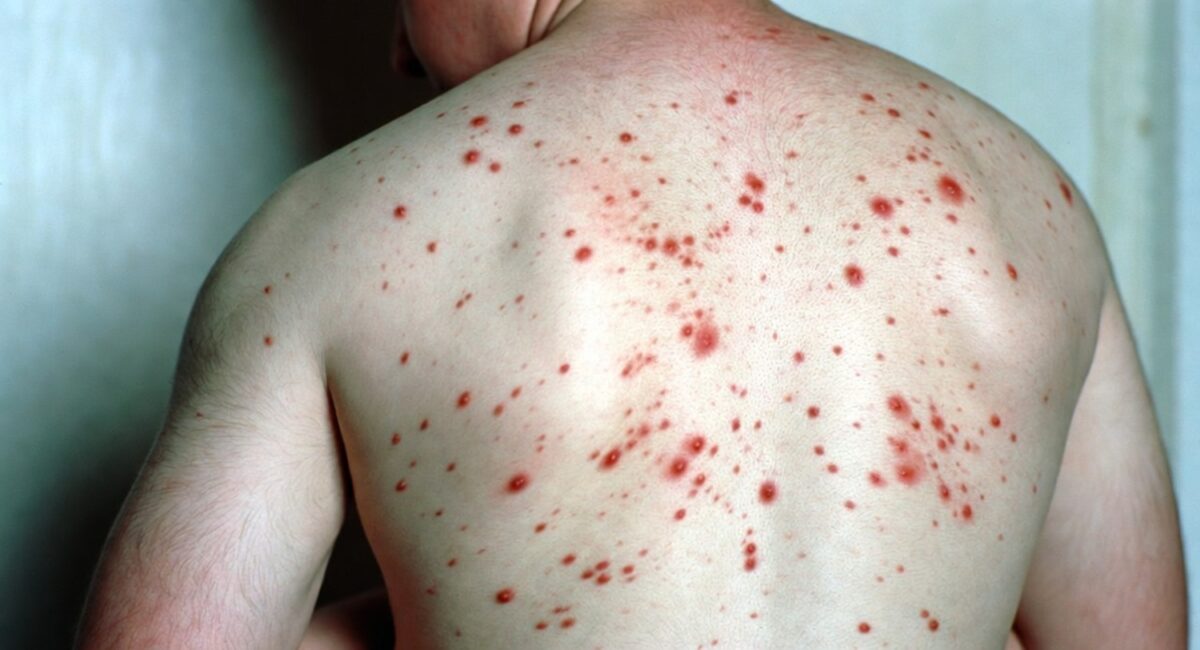
- Rash that spreads from the face downward, typically 3–5 days after symptoms begin
If symptoms develop, residents are strongly advised to call ahead before visiting a doctor or emergency department to prevent further spread of the virus in health care settings.
Who Is Most at Risk
Certain groups are particularly vulnerable to severe measles complications and should act quickly if exposed:
- Infants under 1 year old, who are not yet eligible for routine MMR vaccination.
- Unvaccinated individuals of any age.
- Pregnant women, due to higher risk of complications.
- Immunocompromised people, including those on certain medications or with weakened immune systems.
Wake County Public Health Director Rebecca Kaufman and local clinicians are urging people in these categories to contact their health care provider or local health department immediately if they believe they might have been exposed.
Vaccination Remains the Best Protection
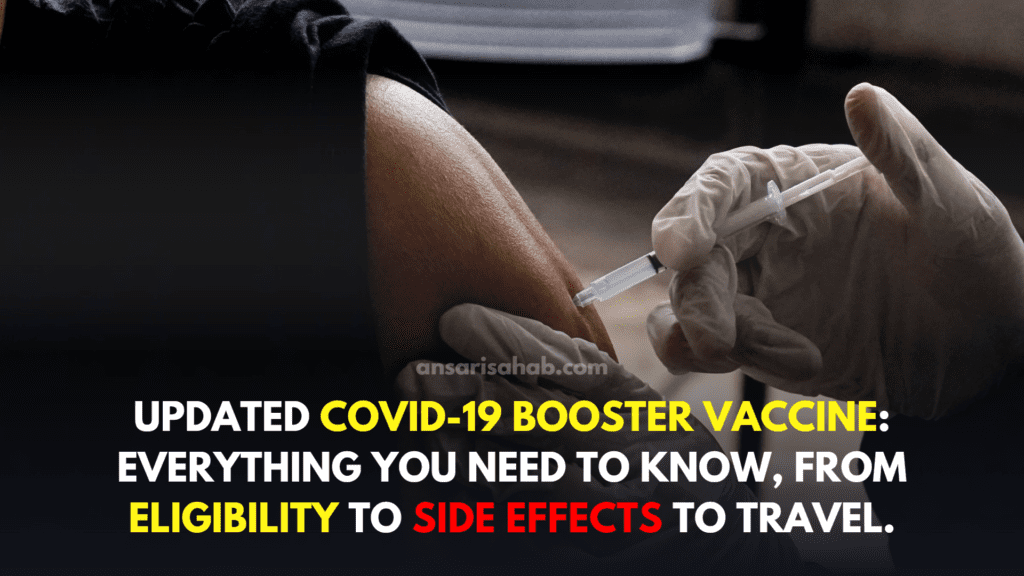
The MMR (measles, mumps, rubella) vaccine has been used safely for decades and remains the most effective way to prevent measles. Two doses of MMR are approximately 97% effective at preventing infection.
Public health officials recommend:
- Ensuring all children have received both doses of the MMR vaccine.
- Adults check their vaccination status, especially if they are unvaccinated or unsure.
- Getting vaccinated promptly after potential exposure, especially for people at higher risk (following guidance from health care providers).
A strong community vaccination rate — typically 95% or higher — is needed to limit measles spread. In Wake County, vaccination coverage is close to, but not always above, that threshold, intensifying the importance of timely vaccination.
Local Public Health Response and Guidance
Wake County Public Health continues to reach out to potentially exposed individuals, educate the public and provide guidance on testing, isolation and symptom monitoring. They encourage anyone who might have been exposed to call (919) 250-4462 for further instructions.
Officials also remind residents that measles can be serious — leading to complications such as pneumonia, encephalitis, hospitalization or even death, particularly in unvaccinated individuals — and quick action saves lives.
Conclusion — What Wake County Residents Should Do Now
The Wake County measles exposure alert is not a confirmed outbreak yet, but the presence of a contagious individual in multiple public venues is serious enough to demand community action. Immediate steps residents should take include:
- Check vaccination records and schedule MMR immunizations if needed.
- Monitor for symptoms for at least 21 days after potential exposure.
- Call ahead before seeking medical care if symptoms develop to protect others.
- Contact Wake County Public Health for guidance and support.
Infectious disease dynamics often move faster than news cycles — especially for highly transmissible viruses like measles — so vigilance, vaccination and clear communication remain public health priorities.