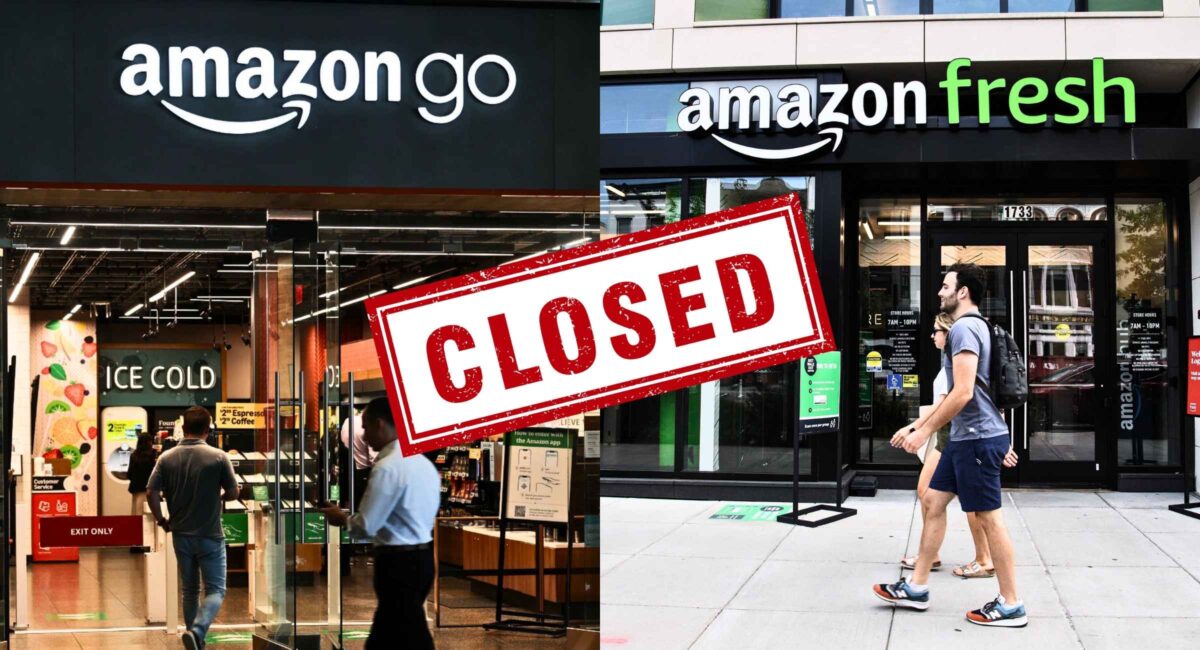
Amazon is officially closing all physical Amazon Fresh and Amazon Go stores in the U.S. by early February 2026, shifting its grocery strategy toward Whole Foods Market expansion and online grocery delivery growth while still operating the Amazon Fresh brand digitally for delivery services.
Why This Matters
This is one of the biggest strategic pivots in Amazon’s retail history — a decisive retreat from branded physical grocery stores that began nearly a decade ago and instead a concentrated focus on digital delivery and the more profitable Whole Foods Market platform. Hundreds of communities — including major metro markets and suburban regions — will see the end of local Amazon Fresh and Go grocery stores within days.
From where I sit covering retail for more than a decade, this isn’t just another store closure. It’s a strategic reset: Amazon is admitting that physical grocery outlets, outside of the well-established Whole Foods brand, haven’t delivered a solid economic model at scale.
What’s Happening: The Closures Explained
Amazon Fresh and Amazon Go Stores Are Shutting Down
- Amazon confirmed it is closing all its physical Amazon Fresh supermarkets and Amazon Go convenience stores.
- In total, approximately 57 Amazon Fresh stores and 15 Amazon Go locations will close.
- Most stores are slated to shut down by February 1, 2026, with the exception of some California locations that will remain open longer due to state labor notification laws.
This marks the end of Amazon’s multi-year effort to crack brick-and-mortar grocery retail outside the Whole Foods umbrella.
Why Amazon Is Pulling Back
Amazon stated that despite “encouraging signals” in its Amazon Fresh and Go stores, it was unable to create a sufficiently distinctive customer experience or a scalable economic model for broad expansion — a blunt acknowledgment rarely seen from a company known for physical-retail experimentation.
Retail analysts have long pointed out the massive challenge of grocery margins, high operating costs, and fierce competition from Walmart, Kroger, Costco, and fast-growing delivery services like Instacart. Amazon’s decision to exit these formats suggests a strategic reprioritization rather than pure failure.
What Amazon Is Focusing On Instead
1. Whole Foods Market Expansion
- Amazon plans to open more than 100 new Whole Foods Market stores over the next few years.
- It is also expanding Whole Foods Market Daily Shop — a smaller, quick-stop format designed to compete directly with urban grocery models.
This plays to Whole Foods’ existing brand strength and consumer loyalty. From my experience tracking grocery retail, customers are consistently willing to pay a premium for quality, trusted brands — something Amazon Fresh struggled to establish.
2. Online Grocery Delivery Is Getting Bigger
- Amazon’s grocery delivery is now available in over 5,000 U.S. cities and towns, including same-day delivery for perishables and everyday essentials.
- Based on strong customer feedback, Amazon plans to expand same-day delivery coverage in 2026.
This shift reflects changing shopping behavior: more consumers prefer home delivery and convenience rather than walking into a physical grocery store. This trend was already visible before the closures and has only accelerated as delivery infrastructure improved.
3. Licensing “Just Walk Out” Technology
Although the physical Amazon Go stores — known for the “Just Walk Out” cashier-less checkout — are closing, the underlying technology will continue to be deployed externally. It’s now being licensed for use in many retail environments, from stadiums to airports, reinforcing its value outside Amazon’s own stores.
Numbers That Tell the Story
Here’s how the shift breaks down, using verified figures:
| Category | Detail |
|---|---|
| Amazon Fresh Stores | 57 (physical closures) |
| Amazon Go Stores | 15 (physical closures) |
| Total Stores Closing | 72 total U.S. locations |
| International Status | Physical Amazon Fresh operations abroad (e.g., London) may vary — closure focus is U.S. as announced. |
| Whole Foods Expansion | 100+ new locations planned |
| Grocery Delivery Cities | 5,000+ U.S. cities served |
From my years analyzing retail pivots, these figures show that Amazon is abandoning brick-and-mortar proliferation in favor of logistics and scalable delivery networks — a decision that prioritizes profitability and growth velocity.
What This Means for Shoppers and Employees
Shoppers
- Consumers who liked browsing Amazon Fresh aisles will lose that in-store option in most places.
- But the online Amazon Fresh delivery service continues and is expected to expand.
- Some former Amazon Fresh and Go locations will be converted into Whole Foods Market stores, offering an in-store alternative with a broader footprint and brand trust.
Employees
Amazon is reportedly working to transition impacted workers to other roles within the company, including its fulfillment and operations network, and offering severance where needed. Specific details on job redistributions are still emerging.
What Experts Are Saying
Retail analysts and industry insiders view this move as a course correction, not an exit from grocery retail altogether. The pivot underscores that brand strength and customer experience matter more than experimental formats, even for a powerhouse like Amazon.
One global retail strategist told Axios that Amazon Fresh and Amazon Go “never differentiated themselves strongly enough against entrenched competitors,” and that Amazon is now betting on what already works — Whole Foods and delivery.
Conclusion: The End of One Grocery Era — and the Start of Another
Amazon’s 2026 decision to close all Amazon Fresh and Amazon Go physical stores isn’t a random cutback — it’s a significant reorientation of its grocery strategy around delivery, logistics, and the powerful Whole Foods brand.
From my vantage point, this move reflects two realities:
- Physical grocery stores are hard to scale profitably in the U.S. market without a clear brand identity.
- Delivery demand is booming, and Amazon is positioning itself to dominate that space with logistics, technology, and convenience.
If you’re a shopper, this change means more delivery options and fewer neighborhood stores. If you’re a competitor, it signals that even the biggest e-commerce giants must play to their strengths. If you’re an investor or industry watcher — it’s a pivotal inflection in how groceries will be sold in the next decade.
Amazon still sees grocery sales as a major growth engine — just no longer through the Amazon Fresh and Go physical footprint.