Health authorities in West Bengal, India, have confirmed five cases of Nipah virus infection — primarily among healthcare workers in Barasat near Kolkata — triggering urgent public health action including quarantine of close contacts, intensified contact tracing, and elevated surveillance. Some patients, including nurses and a doctor, are in critical condition and being treated under isolation as officials monitor the situation. There is currently no cure or vaccine for Nipah virus, and the outbreak has prompted regional health alerts and airport health screenings in neighbouring countries.
What Is the Nipah Virus?
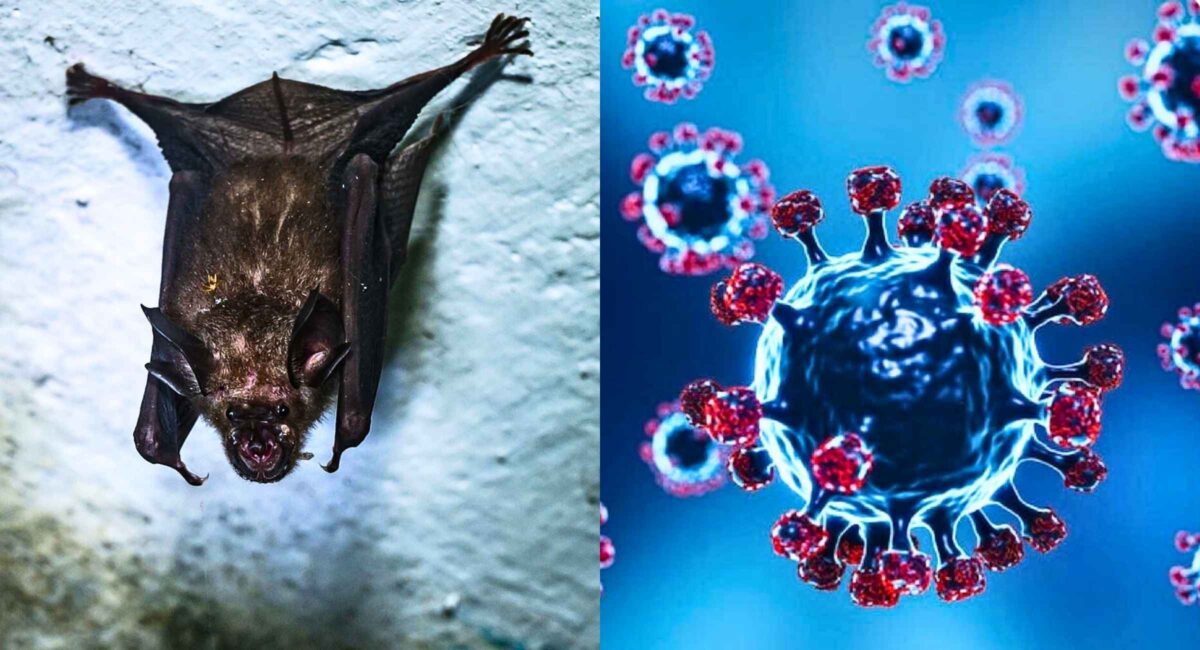
Nipah virus (NiV) is a zoonotic pathogen — meaning it can jump from animals to humans — most often associated with fruit bats (Pteropus species) and sometimes other animals such as pigs. It belongs to the Henipavirus genus and is categorized by the World Health Organization (WHO) as a priority pathogen because of its high fatality rate and pandemic potential.
Symptoms and Disease Progression
- Early symptoms: fever, headache, myalgia (muscle pain), sore throat, vomiting (similar to influenza).
- Advanced manifestations: respiratory distress and encephalitis (inflammation of the brain), leading to confusion, seizures or coma.
- Fatality rates: Historically reported between 40 % and 75 % in outbreaks, depending on healthcare access and viral strain.
There is currently no licensed vaccine or targeted antiviral treatment for Nipah virus; clinical care is supportive, focusing on symptomatic relief and intensive management in severe cases.
Details of the West Bengal Outbreak
Confirmed Cases
As of the latest official reports in late January 2026:
- Total confirmed cases: Five in the state of West Bengal, largely clustered in Barasat, a town near Kolkata, at a private medical facility.
- Population affected: Healthcare workers, including nurses and doctors, have been infected, likely through hospital exposure while treating an earlier undiagnosed case.
- Severity: Some patients remain in critical condition in isolation wards, receiving intensive care.
Contact Tracing and Quarantine
- Close contacts: Nearly 100 individuals identified as close contacts have been placed under home quarantine and monitored for symptoms.
- Surveillance: Health teams are conducting extensive contact tracing to identify and isolate any potential transmission chains.
Local authorities, including the West Bengal Health Department and National Institute of Virology (NIV), Pune, are coordinating testing and surveillance efforts as part of outbreak containment.
How Infection Likely Occurred
Early information suggests the outbreak may have started when a patient exhibiting severe symptoms was treated before Nipah infection was confirmed — leading to nosocomial (hospital-acquired) transmission among healthcare workers. This pattern echoes past outbreaks, where close contact with infectious body fluids without adequate protective measures has been a core risk factor.
Public Health Response in India
State and National Action
- Isolation and infection control: Confirmed and suspected patients are being held in isolation to prevent further spread.
- Contact tracing teams: Outbreak response teams are tracking potential exposures and enforcing quarantine protocols.
- Health advisories: Government agencies have issued awareness guidelines for hospitals on protective equipment and early case detection.
Advice to Residents
Health authorities urge the public to:
- Seek immediate medical attention for fever or respiratory symptoms, especially after exposure.
- Follow hygiene and protective practices (handwashing, avoiding close contact with sick individuals).
- Avoid consuming raw date palm sap or contact with bat-contaminated fruits — known spillover routes in past outbreaks.
International Reactions and Border Screening
The Nipah outbreak in West Bengal has triggered heightened vigilance abroad:
- Asian nations such as Thailand, Nepal, Taiwan, and Hong Kong have strengthened health screening at airports, including temperature checks and symptom assessments, especially for travelers from West Bengal or India.
- These measures mirror pandemic-era protocols aimed at catching early signs of infection before travelers enter new regions.
While no confirmed imported cases have been reported outside India, public health agencies are monitoring the situation closely to mitigate cross-border spread.
Historical Context and Previous Outbreaks
India has seen sporadic Nipah virus activity prior to 2026:
- The first significant Indian outbreak occurred in Siliguri, West Bengal in 2001, followed by sporadic clusters including in Kerala in the 2010s and early 2020s.
- Previous outbreaks have shown the virus’s capacity for both zoonotic transmission (animal-to-human) and limited human-to-human spread, especially in settings without strict infection control.
This historical context underscores both the deadly potential of Nipah and the importance of rapid containment strategies once cases are detected.
What We Still Don’t Know
Despite confirmed infections, several questions remain:
- Exact source of spillover: Investigations into how the initial case became infected (animal contact, contaminated food, etc.) are ongoing.
- Full transmission chain: While contact tracing is active, a complete picture of transmission dynamics is still being mapped.
- Outbreak scope: Conflicting early media reports have suggested varying case numbers; infectious disease specialists emphasize that accurate, lab-confirmed data are essential to avoid misinformation.
Expert Perspective and Risks
Nipah virus is rare but severe. From my experience covering infectious disease outbreaks, even a handful of cases can trigger intense public health action because of:
- High case-fatality rates relative to more common respiratory viruses.
- Lack of specific treatment or vaccine, making supportive clinical care and prevention paramount.
- Potential for nosocomial spread, especially among healthcare workers without adequate PPE.
Despite these concerns, it’s important to recognize that past outbreaks — though serious — have been controlled with swift isolation, contact tracing, and quarantine.
Conclusion: Vigilance Over Panic
The Nipah virus outbreak in West Bengal — with five confirmed cases and critical conditions among healthcare workers — is a serious public health event. Authorities are implementing containment measures, including quarantine and airport health screening, and emphasizing early detection and infection control. While the virus’s severity demands respect, current evidence suggests localized transmission and robust public health response, not widespread spread beyond the region.
Staying closely informed through official health channels and adhering to prevention guidance remains essential for residents and travelers connected to the affected area.