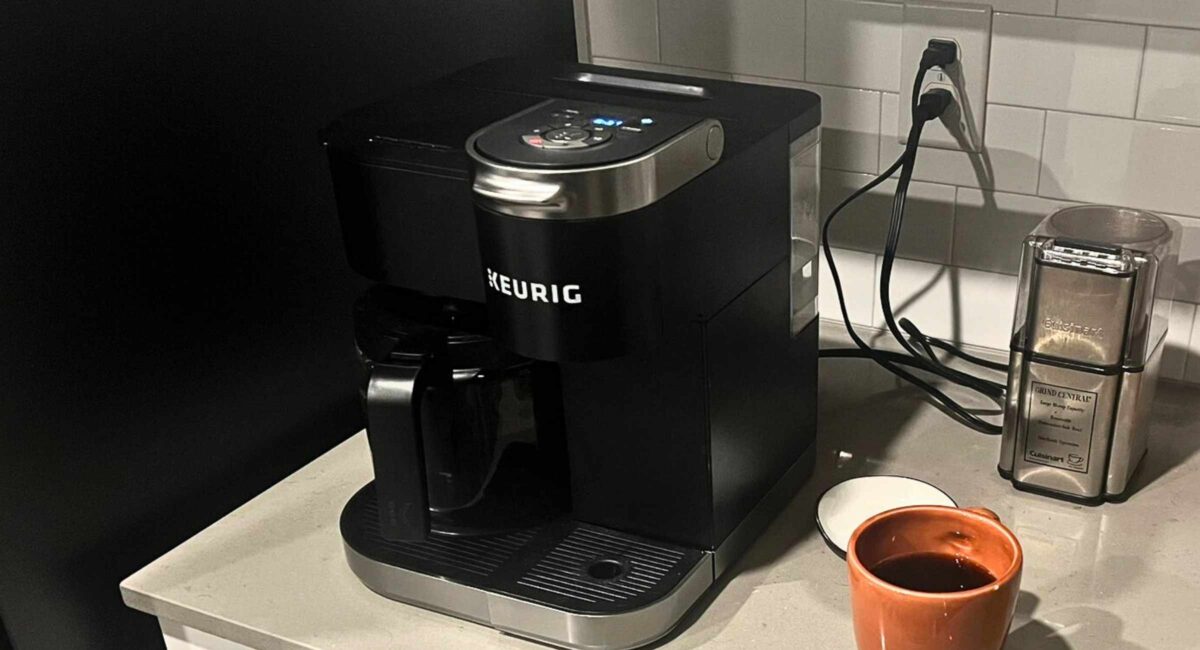
Keurig Dr Pepper has announced a voluntary recall of more than 80,000 McCafé Premium Roast Decaf Coffee K-Cup pods because they may contain full-caffeine coffee despite being labeled “decaf.” The recall — classified as a Class II by the U.S. Food and Drug Administration — affects about 960 cartons distributed in California, Indiana and Nevada. While the coffee itself isn’t unsafe, consuming the mislabeled pods could cause temporary or medically reversible effects for people who must avoid caffeine for health reasons. Affected buyers are advised to discard or return the pods for a refund or replacement.
What Exactly Happened? The Recall Details
On January 23, 2026, the FDA officially classified the recall as Class II, meaning the product “may cause temporary or medically reversible adverse health consequences” if consumed by people sensitive to caffeine, pregnant individuals, or those with certain medical conditions.
Here’s what to know:
- Product: McCafé Premium Roast Decaf Coffee K-Cup pods
- Issue: Pods labeled as decaf may actually contain caffeinated coffee
- Affected Quantity: More than 80,000 individual pods (approximately 960 84-count cartons)
This isn’t a contamination recall — it’s a labeling and packaging error that undermines buyers’ ability to avoid caffeine when they intend to.
Where the Affected Pods Were Sold
The recalled coffee pods were distributed at retail stores and online in:
- California
- Indiana
- Nevada
If your stash comes from another state, it most likely isn’t part of this specific recall; however, checking the product identifiers listed below is still wise.
How to Identify Recalled K-Cups
Affected McCafé Decaf pods can be identified with specific product information printed on the package:
- Best-by date: 17 NOV 2026
- Batch number: 5101564894
- Material number: 5000358463
- UPC code: 043000073438
- ASIN (for online purchases): B07GCNDL91
These identifiers appear on the carton of 84 pods and sometimes on the foil lid of each pod itself. Double-checking these codes is the only reliable way to know if your K-cups are included in the recall.
Who Should Be Concerned? Health Risks Explained
For most coffee drinkers, mis-labeled caffeine in a pod is more an annoyance than a serious risk — but for certain individuals, the consequences can be more serious:
- People with cardiovascular conditions may experience elevated heart rate or palpitations
- Anxiety disorders or IBS sufferers could see symptoms worsen
- Pregnant or breastfeeding individuals often follow medically recommended caffeine limits
- Children or caffeine-sensitive adults can react to even modest amounts of caffeine
Because this recall stems from a label issue and not a contamination, there have been no reports of harm beyond expected caffeine-related effects. However, prudent consumers — especially those with medical restrictions — should stop using affected pods.
What You Should Do Now: Refunds & Replacements
The recall notice makes clear that customers are entitled to a refund or replacement even though the product isn’t considered unsafe:
- Stop using the recalled pods.
- Check the product identifiers listed above to confirm if your cartons are affected.
- Return the affected product to the store where you purchased it.
- Request a refund or exchange for a non-affected McCafé Decaf or other Keurig pod.
Most retailers honor recalls without requiring a receipt, but having proof of purchase can make the process smoother.
Why This Matters: Labeling Accuracy & Consumer Trust
Consumers depend on accurate labeling — especially for dietary, health or medical reasons. A decaf product that actually contains caffeine undermines that trust and can have real effects on:
- Sleep quality
- Medication interactions
- Blood pressure and heart rate
- Anxiety levels and neurological responses
While the FDA determined the issue doesn’t pose serious long-term health risks, the recall underscores how even minor labeling errors can ripple widely through households and health systems.
How This Recall Compares to Past Issues
Keurig and single-serve pod manufacturers have faced recalls before — often due to packaging errors or quality control oversights. But the scale and location-specific distribution (California, Indiana, Nevada) in this case reflect how even robust quality protocols can slip in complex production systems.
This recall also arrives in a broader context of consumer concerns about K-Cup sustainability and packaging practices, which regulators and industry critics have scrutinized in recent years. For example, government action earlier targeted Keurig’s environmental claims about pod recyclability under SEC guidance — separate from this recall but part of ongoing product oversight debates.
Keurig’s Response & Next Steps
In its statement and recall filing, Keurig Dr Pepper Inc. emphasized that the recall was voluntary and part of its ongoing quality monitoring. The company, alongside the FDA, encourages consumers to use the recall identifier information to check products and return any affected cartons for compensation.
The broader takeaway: even a trusted brand can mis-label products, and consumers should stay vigilant about product codes and recall notices.
Conclusion: What Coffee Lovers Should Know
If you’ve picked up McCafé Premium Roast Decaf K-Cup pods in California, Indiana or Nevada, there’s a chance your carton is part of the January 2026 Keurig recall due to a decaf labeling error. While the pods aren’t unsafe for most people, they could deliver unexpected caffeine — a concern for those limiting caffeine intake for medical, dietary or lifestyle reasons.
Checklist before brewing:
✔ Check best-by date
✔ Confirm batch and material numbers
✔ Stop use if identifiers match
✔ Return for refund/replacement
This recall is a reminder that accuracy in food and beverage labeling matters — not just for convenience, but for consumer safety and trust. And when companies and regulators prompt recalls like this one, acting promptly protects you and your family from unintended effects.
Sources & Further Reading
Latest recall bulletin: FDA recall announcement, Jan 26, 2026. (Allrecipes)
Health risk details: Delish on caffeine sensitivity and recall effects. (Delish)