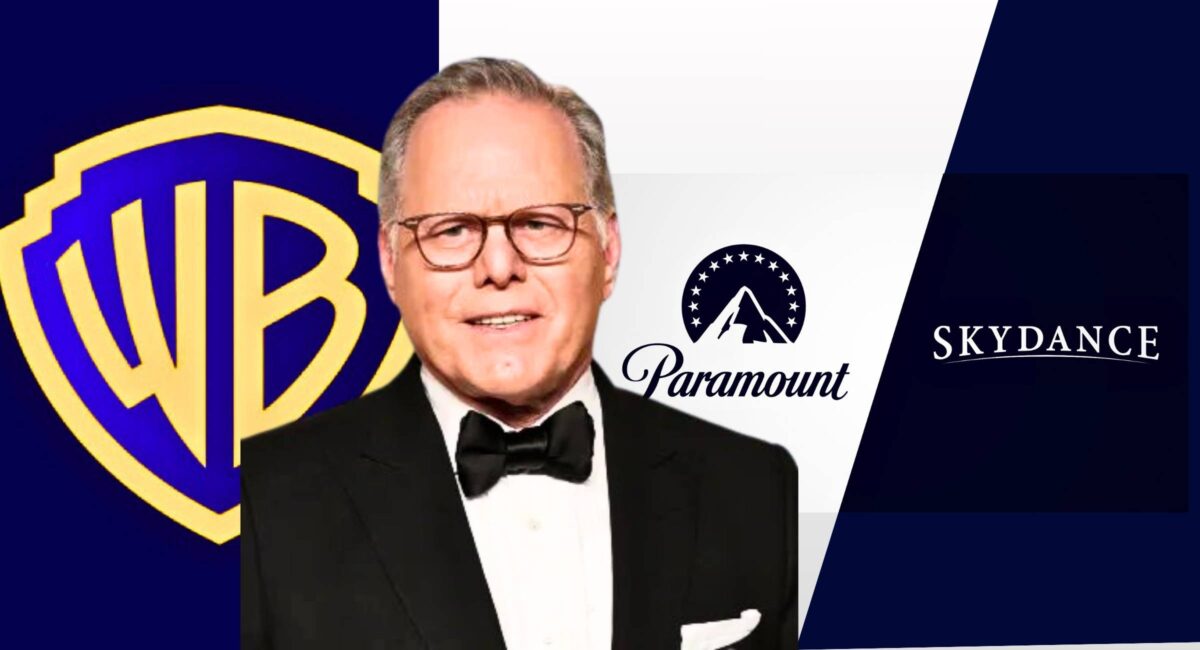
The ongoing 2026 bidding war over Warner Bros Discovery (WBD) has escalated tensions between media giants, with David Zaslav, CEO of Warner Bros Discovery, steadfastly rejecting Paramount Skydance’s repeated takeover bids and affirming confidence in the company’s merger agreement with Netflix. Paramount’s hostile offer — valued at about $108 billion or roughly $30 per share in cash — has been rebuffed by WBD’s board, which labeled the bid inferior, risky and inadequate compared with the Netflix transaction that the board views as more financially certain and strategically aligned with long-term shareholder interests. The conflict has stirred growing frustration at Paramount, heightened regulatory scrutiny, and the possibility of litigation as the bidding war presses into 2026.
Zaslav and the WBD board have made their stance clear in formal communications to shareholders, unanimously recommending rejection of Paramount Skydance’s tender offer and reiterating their commitment to the existing Netflix deal. In a detailed letter sent in mid-December 2025, the board wrote that Paramount’s bid “fails to meet the criteria of a superior proposal” under WBD’s merger agreement with Netflix, noting that Paramount’s financing structure — including equity commitments purportedly backed by the Ellison family trust — lacked certainty and could expose shareholders to significant downside risk if obligations were withdrawn. Paramount, led by CEO David Ellison and backed in part by Oracle founder Larry Ellison’s financial commitments, has vigorously defended its bid, insisting it offers “superior value and certainty” and a clearer path to closing, and directly challenging the board’s representations about financing adequacy.
Paramount’s mounting frustration was amplified by its assertion in shareholder communications that the sale process appeared tilted and unfair, with accusations that WBD’s leadership had predetermined the outcome in favor of Netflix, effectively predetermining the result before Paramount’s revised bids could be fully considered. This tension is compounded by the bitter rivalry between content and streaming platforms, with Paramount arguing that its offer — which includes all of WBD’s linear networks and studios — would create a larger, more diversified media entity than the Netflix bid, which focuses on studio and streaming assets and excludes certain cable properties.
Regulatory risk has become a focal point of this corporate clash. Legal and antitrust analysts suggest that both the Paramount and Netflix proposals could face significant regulatory hurdles, particularly given the scale of the combined entities and potential impacts on competition in streaming, advertising and content licensing markets. Experts warn that even if one transaction ultimately gains board and shareholder approval, government scrutiny and antitrust filings could delay, condition or even block the deal, adding another layer of complexity to what is already a high-stakes battle for one of Hollywood’s most iconic brands.
As Paramount’s hostile offer has persisted into 2026, WBD has continued to emphasize financing certainty, capital structure risks and shareholder protection as central to its rejection of the Skydance bid. The board points to Paramount’s comparatively smaller market capitalization and higher leverage risk as factors that could undermine long-term value, and remains publicly committed to seeing the Netflix merger through, a move it argues best aligns with shareholders’ interests and regulatory viability. ABC
With deadlines for Paramount’s tender offer extended and multiple rounds of offers and counteroffers unfolding, speculation has grown around potential litigation threats. Paramount could attempt legal action to challenge the fairness of WBD’s process or to prevent the Netflix deal from closing, especially if it believes procedural or fiduciary obligations were breached. Industry sources anticipate that this bidding war could stretch deep into 2026, with shareholder votes, regulatory reviews, and courtroom challenges potentially determining the ultimate outcome for one of the biggest media assets in the world.
In the market, reactions have been mixed. WBD shares have shown volatility amid rejection announcements, while Paramount’s stock has experienced downward pressure on profit-risk concerns, and Netflix’s stock has seen modest gains as its merger plan gains board support. Regardless of the final outcome, the clash between David Zaslav, Paramount Skydance and Netflix highlights both the intensity of competition in the evolving media landscape and the complicated interplay of shareholder interests, regulatory risk, and strategic corporate governance in blockbuster mergers and acquisitions.