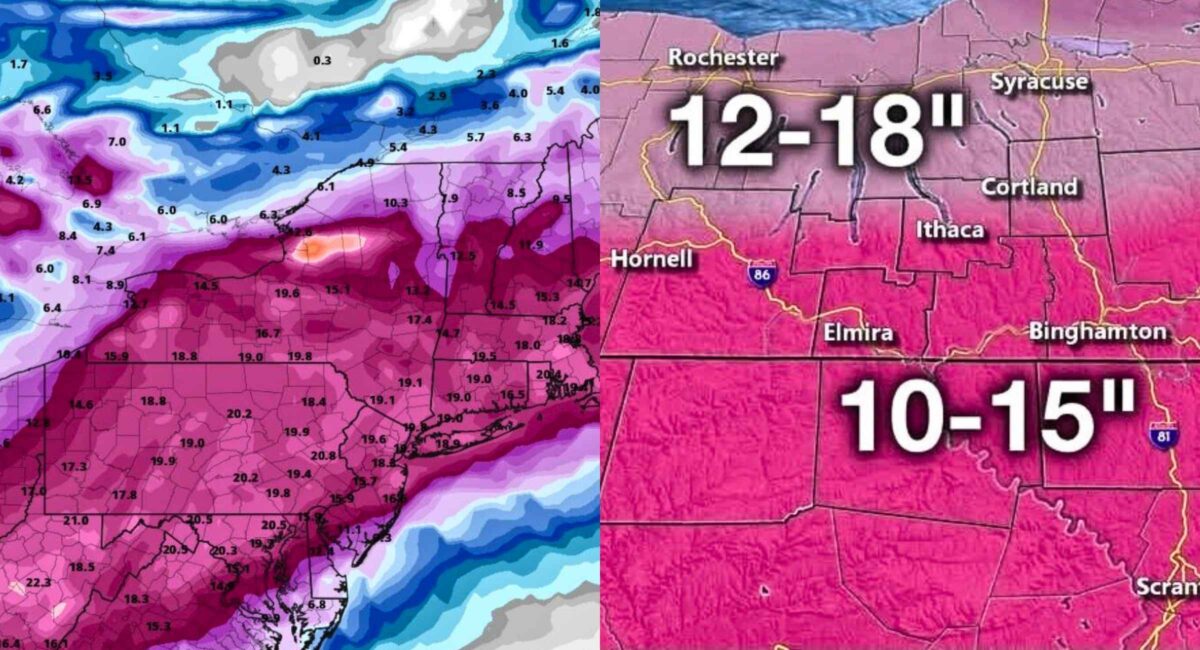
As of Sunday, January 25, 2026, Winter Storm Fern continues to hammer much of the United States with snow, ice, and dangerously cold temperatures. In the New York area, forecasts call for 8–16+ inches of snow with the possibility of even higher totals inland. In Washington, DC, the National Weather Service forecasts 5–13 inches of snow and sleet through Monday. In Charlotte, North Carolina, a mix of snow, sleet and freezing rain is expected, with snow totals generally in the 4–8 inch range, but ice accumulations remain a key hazard. The storm has already triggered thousands of flight cancellations and widespread power outages across the U.S., and officials have declared states of emergency in multiple states.
What Is Winter Storm Fern & Why It Matters
This isn’t your typical weekend snow event. Winter Storm Fern has developed into a broad, potent system stretching from the Southern Plains to the Northeast, bringing a mix of heavy snow, freezing rain, sleet, and record cold air to a huge portion of the United States. Millions of residents are under winter alerts and multiple states have activated emergency responses.
Federal authorities and meteorologists describe the situation as historic, with widespread disruption to daily life and critical infrastructure. Networks of de-icing equipment, grid operators, and emergency services are stretched as the storm moves eastward and deepens.
Snow Forecast by Region (As of Jan 25)
New York Metro & Northeast
The New York City area is squarely in the bull’s-eye of the storm:
- Expected snow: generally 8–16 inches, with higher totals farther inland and in elevated terrain.
- Weather service models suggest snowfall will be intense Sunday into Monday, with rates of 1–2 inches per hour possible at the storm’s peak.
- This could rival some of the largest snowfalls of the season for the Northeast.
From personal experience covering winter storms on the East Coast, the 8–16 inch range often means serious travel shutdowns — streets buried, transit slowed or halted, and emergency responses stretched. This storm looks poised to do just that.
Washington, DC & Mid-Atlantic
The DC metro area is under strong winter storm guidance:
- Snow & sleet: roughly 5–13 inches expected through Monday morning.
- Ice and freezing rain: Especially south of the district, where precipitation types may fluctuate.
- Travel and outages: Officials warn of road closures, power interruptions, and hazardous conditions.
This area hasn’t seen a storm of this magnitude in recent years, and the mix of snow and freezing rain could make roads nearly impassable at times.
Charlotte, North Carolina & the Southeast
In the Charlotte area, the forecast is more complex:
- Snow totals will be mixed with sleet and freezing rain — not pure snow.
- Snow accumulations are generally projected in the 4–8 inch range, but ice accumulation remains a greater threat in some zones.
- Ice can make even modest snow far more dangerous, particularly for travel and utilities.
Residents in the Carolinas should be prepared for road icing, downed tree limbs, and brief power interruptions — even if snow totals aren’t as high as up north.
Widespread Impacts: Travel, Power & Emergencies
Flight Cancellations
Winter Storm Fern has already disrupted aviation across the U.S.:
- More than 4,000 flights canceled on Saturday.
- Over 9,000 flights scheduled for Sunday were also canceled, with forecasts high for additional disruptions Monday.
- International carriers — such as Singapore Airlines — also reported flight cancellations tied to U.S. airports affected by the storm.
Airlines nationwide have issued waivers and rebooking options as airports struggle with snow, ice, and de-icing backlogs.
Power Outages & Grid Stress
At least 160,000 electricity customers have lost power as the storm’s cold front sweeps eastward, stretching from Texas and Louisiana through the Midwest and into the Northeast.
- Ice accumulation on lines and bitter cold temperatures significantly raise the risk of prolonged outages.
- Utility crews are already working around the clock to restore service where possible.
Local grid operators are urging residents to prepare for the possibility of multi-day outages and to charge devices, stock emergency supplies, and avoid unnecessary travel.
Emergency Declarations
Across the storm’s footprint — which spans well over 20 states — authorities have declared states of emergency to unlock resources, pre-stage crews, and manage responses.
These declarations reflect the seriousness with which officials are treating this storm’s potential to disrupt daily life and safety.
Why the Snow Totals Vary So Much
Snowfall is influenced not just by the storm’s strength, but by precipitation type and temperature profiles near the surface:
- Cold air near the ground supports steady snow.
- Warm air aloft or mixing layers can switch snow to sleet or freezing rain, reducing snowfall totals but increasing ice hazards.
- Forecast models still carry some uncertainty — especially in transition zones like the Carolinas and Mid-Atlantic.
This mix means snowfall totals are regional estimates, not hard certainties, and may change as the storm evolves.
Historical Context & Remarkability
Winter Storm Fern is notable not just for breadth but for its impact profile:
- Early records show snow totals approaching or exceeding a foot in parts of the Northeast.
- The combination of ice, snow, and historic cold across such a wide region — from the South through the Northeast — makes it one of the more significant systems this season.
For communities unaccustomed to heavy snow or ice — especially in the Southeast — the effects can be especially acute.
What Residents Should Do (Safety Guidance)
Prep now:
- Charge phones and devices.
- Stock up on food, water, medicine, and warm clothing.
- Have a plan for power outages.
During the storm:
- Avoid unnecessary travel — roads may be treacherous or impassable.
- Monitor official forecasts and local advisories.
- Keep pets indoors and assist vulnerable neighbors.
After the storm:
- Continue to drive cautiously; bridges and untreated roads can stay icy.
- Expect cleanup and recovery operations to continue into next week.
Conclusion: Snowfall Numbers & Disruption Reality
As of January 25, 2026, Winter Storm Fern is delivering significant snow and ice across the United States. Up to 8–16+ inches of snow in New York, 5–13 inches in Washington, DC, and 4–8 inches (with ice) in Charlotte are solid forecast benchmarks — but ice hazards may matter more than raw totals in many regions.
This storm isn’t just about inches of snow — it’s about travel paralysis, power disruptions, emergency responses, and community resilience. Given the storm’s scope, everyone in its path should be prepared for serious weather effects into the coming days.