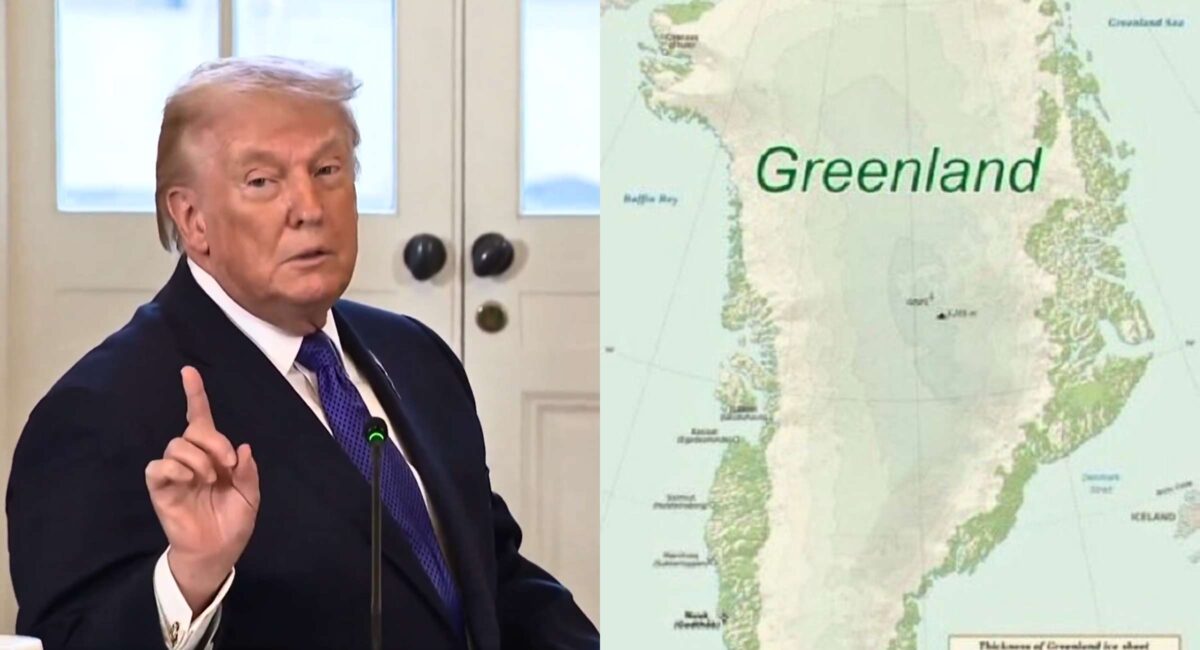
In an extraordinary and highly contentious move that could reshape transatlantic relations, President Donald Trump announced on January 17, 2026, that the United States will impose a 10 % tariff on imports from eight European countries — including Denmark, Norway, Sweden, France, Germany, the Netherlands, Finland and the United Kingdom — beginning February 1, 2026, with the tariff rising to 25 % on June 1 if no agreement is reached to sell Greenland to the U.S. government or otherwise satisfy Trump’s demands.
This package of punitive tariffs — essentially a tariff ultimatum tied to geopolitical ambitions — has been widely condemned by U.S. lawmakers, European leaders and NATO partners, raising alarms about potential destabilization within the alliance and broader global economic repercussions.
Yes. President Trump has declared that, as of February 1, 2026, the U.S. will charge a 10 % tariff on Denmark and other European NATO members’ exports to the United States, increasing to 25 % by June 1 if a deal over Greenland’s status is not reached. This action is directly linked to Trump’s push to acquire Greenland — a move opposed by Denmark and NATO allies alike — and marks a significant escalation of U.S.–Europe trade and security tensions.
Why These Tariffs Were Announced
Strategic Focus on Greenland
Greenland, a vast Arctic island with immense strategic value due to its location between North America and Europe as well as its mineral resources, has become the centerpiece of Trump’s foreign policy agenda. Trump has repeatedly argued that U.S. control of Greenland is essential for national security — a stance rejected by both Danish and Greenlandic leaders, who insist the territory is not for sale.
In a social media post on Truth Social, Trump framed the tariff threat as a necessary response to European military and political presence on Greenland, and as leverage to force negotiations over a “complete and total purchase” of the island.
Which Countries Are Targeted
The tariffs apply to imports from the following eight NATO members:
- Denmark
- Norway
- Sweden
- France
- Germany
- The United Kingdom
- The Netherlands
- Finland
Though Norway is not an EU member, the other seven are part of the European Union’s trading framework, making this move particularly complex in terms of international trade law and WTO compliance.
Timeline of the Tariff Schedule
| Date | Tariff Applied | Condition |
|---|---|---|
| February 1, 2026 | 10 % tariff on all goods from the eight nations | Takes effect regardless of negotiations |
| June 1, 2026 | Tariff increases to 25 % | Only if no agreement over Greenland has been reached |
Trump stated tariffs would remain until a Greenland deal is concluded — an open-ended condition that could stretch tariffs indefinitely if negotiations stalemate.
National Security Claims and Political Rationale
Trump’s official justification ties these tariffs to national security concerns. He argues that European military presence on Greenland (at Denmark’s invitation) could undermine U.S. strategic interests, and that Greenland’s mineral wealth and Arctic position make U.S. control critical.
However, critics — including members of both U.S. political parties — have challenged the legal and strategic basis for linking trade penalties to territorial ambitions, labeling the approach as coercive and potentially illegal under U.S. law and World Trade Organization (WTO) rules.
Reactions in Europe and Across NATO
European leaders have reacted with alarm and condemnation:
- Denmark: Called the move a “surprise” and reaffirmed that Greenland is not for sale.
- France: President Emmanuel Macron stated that “tariff threats are unacceptable.”
- United Kingdom: Prime Minister Keir Starmer described Trump’s threats as “completely wrong.”
- European Union: Warned that tying tariffs to Greenland could harm broader U.S.–EU cooperation and trade negotiations.
Several European officials asserted that a U.S. economic attack on its allies could destabilize NATO — an alliance long founded on collective defense and shared security.
Legal and Trade Implications
This policy raises complex legal issues:
- WTO Consistency: Many international trade experts suggest that imposing unilateral tariffs tied directly to geopolitical demands may violate WTO obligations, which generally prohibit discriminatory tariffs.
- EU Trade Agreement Fallout: The tariffs could stall or unravel efforts on a broader U.S.–EU trade deal that was being discussed as of 2025, given European reluctance to link Greenland issues to trade negotiations.
- Congressional Pushback: Bipartisan U.S. lawmakers have openly criticized the tactic, warning it could jeopardize NATO unity and calling for a more restrained foreign policy approach.
Economic and Market Consequences
Though the tariff schedule doesn’t yet include specific sector-by-sector details, experts warn that such broad tariffs — especially if increased to 25 % — could have major ripple effects:
- Supply Chain Disruptions: European exporters of vehicles, pharmaceuticals, industrial machinery and food products could see costs rise sharply — costs that may be passed on to U.S. importers or consumers.
- Retaliatory Measures: European markets may consider counter-tariffs or trade barriers targeting American goods, risking a broader trade conflict. Media reports and analysts suggest significant market volatility if this dispute escalates.
Broader Strategic Fallout
This tariff ultimatum isn’t just about trade: it intertwines security, diplomacy, and alliance politics in ways that could have long-term consequences.
- Alliance Strain: NATO leaders have warned that economic conflict with allies could weaken the alliance’s collective deterrence capabilities.
- Arctic Geopolitics: Russia and China have both shown interest in Arctic influence — a factor Trump cites — but European countries view collaborative security arrangements as preferable to unilateral acquisition efforts.
Conclusion: A Turning Point for NATO and Transatlantic Ties
At its core, the tariff decision reflects an unprecedented use of trade policy as leverage for territorial ambition, a strategy that has alarmed allies and raised deep questions about U.S. commitments to international norms and collective defense.
Whether this standoff results in a negotiated outcome over Greenland, further tariff escalation, or legal challenges in international forums, the implications will likely reverberate far beyond the immediate trade shock — potentially reshaping how alliances, national security and trade intersect in an increasingly contested geopolitical environment.