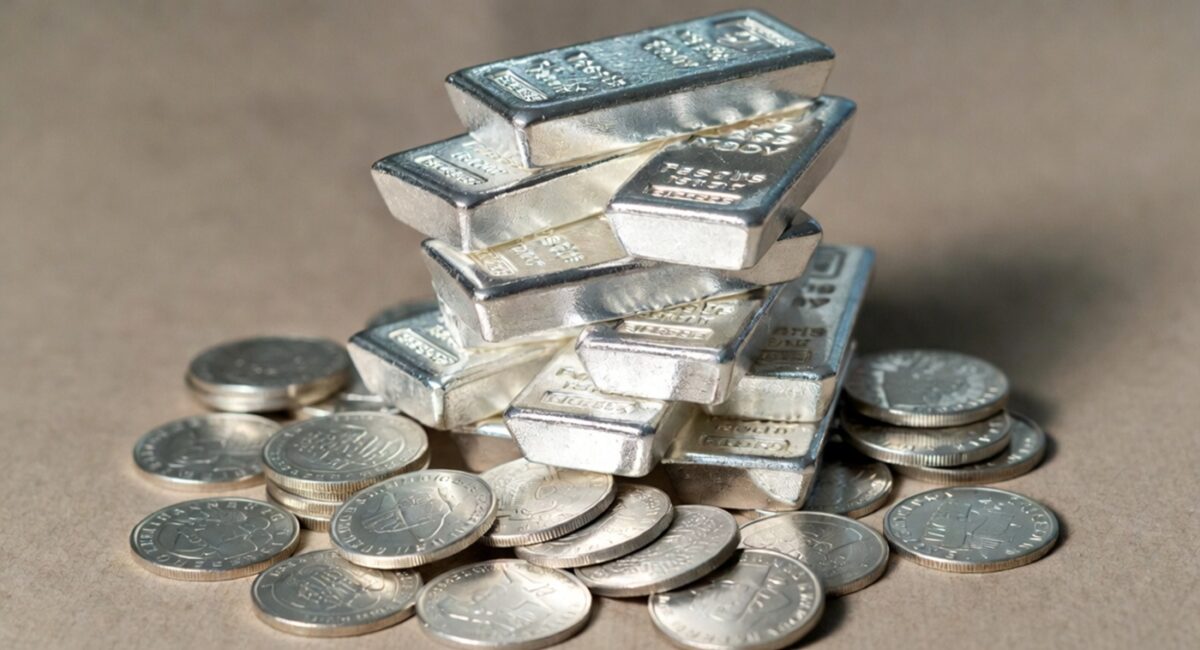
Silver prices have soared to all-time highs near $79 per ounce in late December 2025, driven by a potent combination of tight global supply, booming industrial demand (especially from green technologies like solar and EVs), expectations of further U.S. Federal Reserve rate cuts, and safe-haven buying amid macro and geopolitical uncertainty. This rally has turned silver—which traditionally lagged gold in returns—into one of the standout commodities of the year.
Why This Matters Now
From my decade of covering financial markets, I’ve never seen a precious metal move this far, this fast outside of extraordinary macroeconomic shifts (think 1979–1980). In 2025, silver has not only joined gold’s record rally—it’s outpaced it. That’s remarkable. The surge isn’t random; it’s the product of several overlapping forces, each powerful on its own but explosive when combined.
How High Is Silver Trading?
Current Price Levels
- Spot silver has surged to near a fresh all-time high of about $79 per ounce, approaching the psychologically important $80 level.
- On December 26–27, silver climbed sharply—jumping more than 9% in a single session and trading above prior records set earlier in 2025.
- This rally has pushed silver’s year-to-date gains well above 140–160%, far outpacing gold and other commodities.
Put in context: silver’s price today is several multiples higher than it was at the start of 2025, a trajectory few analysts predicted with this level of conviction at year-end 2024.
What’s Driving the Record Rally
1. A Structural Supply Deficit
For several years—as global production struggles to keep up with demand—silver has been in a persistent supply deficit: demand has exceeded mined output plus recycling repeatedly, tightening physical markets.
Mining complexities play a role: much of silver is a byproduct of base-metal mining (like zinc and copper), meaning output doesn’t scale up quickly even when prices rise—a situation that’s tightening raw supply just as demand explodes.
2. Industrial Demand Booms — Especially in Green Tech
Silver isn’t just a monetary metal; it’s a vital industrial input:
- Solar photovoltaic (PV) cells: Silver’s unmatched conductivity makes it indispensable in solar panels—each gigawatt of new solar needs dozens of tons of the metal.
- Electric vehicles (EVs): Silver is embedded in battery and electronics systems.
- AI data centers & 5G: Computing infrastructure increasingly uses silver in connectors and high-performance circuitry.
Together, these trends have pushed industrial consumption to record highs, even as supply remains constrained. That’s a textbook recipe for rising prices.
3. Macro Signals: Fed Rate Cuts and Dollar Weakness
Monetary policy in 2025 softened substantially relative to earlier expectations:
- The U.S. Federal Reserve cut interest rates multiple times, lowering the opportunity cost of holding non-yielding assets like gold and silver.
- A weaker U.S. dollar (driven partly by rate expectations) lifts dollar-priced commodities, making silver cheaper for holders of other currencies.
Lower real yields tend to boost precious metals particularly because they aren’t tied to cash flows like bonds or equities.
4. Safe-Haven & Speculative Flows
Economic uncertainty—ranging from tariff tensions and currency volatility to geopolitical flashpoints—has reinforced silver’s safe-haven appeal. Analysts report renewed inflows into silver ETFs and physical bullion demand as investors rotate capital away from riskier assets.
Retail participation (often amplified through online investor networks) has also gained traction, adding a speculative layer to the rally.
Silver vs. Gold: Surging Together, but Silver Ahead
Silver’s performance in 2025 has outpaced gold, which itself hit record highs above $4,500 per ounce. That’s unusual: historically, gold leads precious metal rallies, with silver lagging due to its smaller market and heavy industrial demand.
But in 2025, silver’s dual demand structure—industrial and monetary—has amplified gains beyond what gold alone has achieved. For investors, this divergence is both opportunity and caution: higher returns often come with higher volatility.
Technical and Market Dynamics
Beyond fundamentals, technical market behavior has accelerated the move:
- Short squeezes and low visible inventories in major bullion markets have forced traders to cover positions, pushing prices up rapidly.
- Exchange-traded funds (ETFs) backing silver have seen record inflows.
These dynamics contrast sharply with earlier years of stagnant silver markets, where lack of investor engagement kept prices muted.
Risks and What Investors Should Watch
It’s important to emphasize: high returns often come with high risk. Several factors could temper silver’s rally:
Market Volatility & Corrections
Silver’s market is much smaller and more liquid than gold’s, making prices sensitive to flows and news sentiment. Sharp pullbacks are possible if macro expectations change or if speculative fever cools.
Fed Policy Shifts
While rate cuts have supported metals this year, changes in inflation data or unexpected economic strength could reduce expectations of future cuts—and weigh on prices.
Industrial Demand vs. Supply Response
Supply constraints are structural, but over time higher prices should incentivize investment in mining and recycling capacity. The pace of that response—and whether it can keep up with demand—remains a critical uncertainty.
Investor Takeaways: Strategies to Consider
From my experience covering commodities markets through multiple cycles, the current silver rally rewards disciplined positioning more than aggressive speculation:
- Diversification is crucial: Treat silver exposure as part of a broader risk-managed commodities allocation.
- Monitor macro cues: Fed communications, inflation reports, and currency trends can trigger big moves.
- Assess industrial demand trends: Data on EV adoption, solar deployments, and electronics growth will influence medium-term prices.
- Stay cash-flow aware: Metals do not yield income; timing matters when holding bullion through volatile periods.
Conclusion
The silver price’s ascent above $79 per ounce in December 2025 represents one of the most dramatic commodity rallies in decades—fueled by tight supply, explosive industrial demand, dovish monetary policy expectations, and safe-haven investment flows.
Silver’s unique position as both an industrial metal and store of value is reconciling these forces in ways we haven’t seen since the late 1970s. For investors, the current environment presents both significant opportunities and meaningful risks: disciplined analysis and a long-term perspective will be essential.
As we enter 2026, all eyes will be on whether silver can sustain these levels—or push toward the $80–$100 range long discussed by analysts—and how developments in technology, policy, and global markets influence its trajectory.