A historic win sets the stage
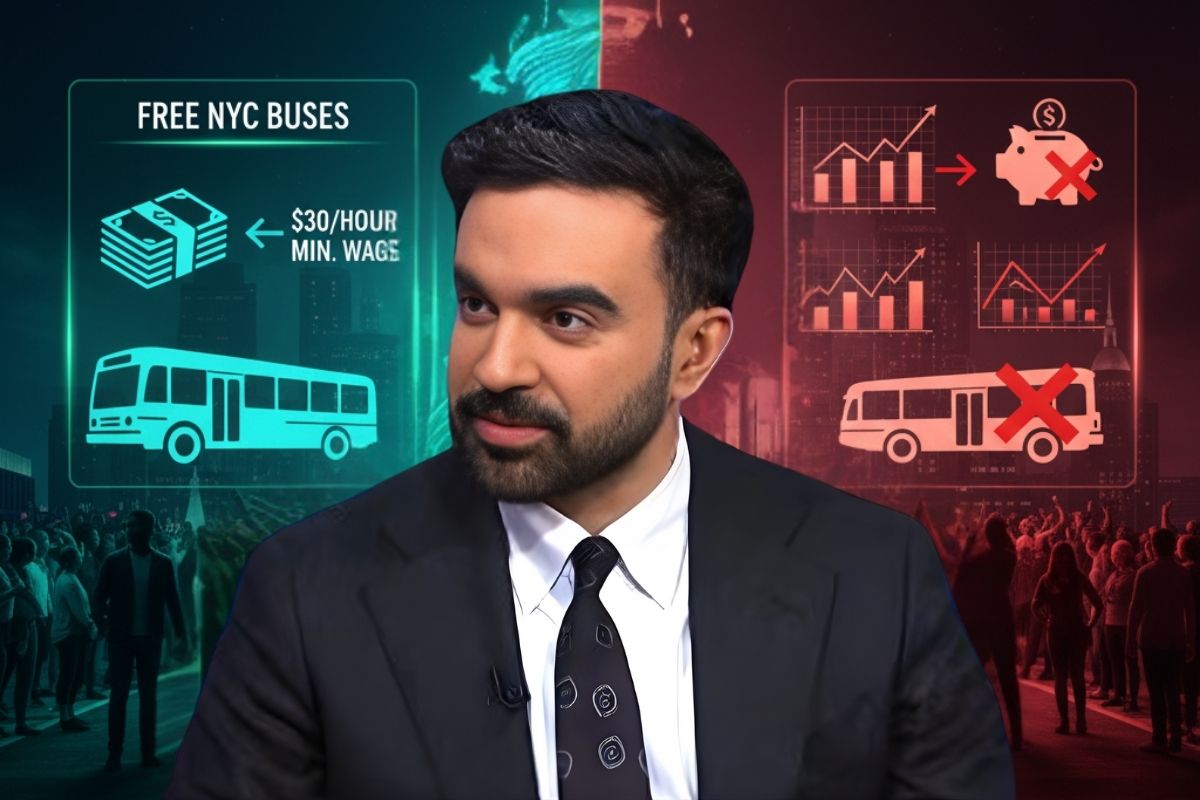
Zohran Mamdani made history this week by being elected mayor of New York City, becoming the city’s first Muslim mayor and one of its youngest in over a century. His victory was powered by a bold platform that promises sweeping change — including raising the minimum wage to $30 per hour by 2030 and making local city buses fare-free. With New Yorkers grappling with high rents, expensive childcare and rising living costs, his message resonated broadly. But now the key question looms: can Mayor Zohran Mamdani deliver on his ambitious agenda — or will the scale of the challenge overwhelm him?
The blueprint: wage hikes, free transit and affordability
Mamdani’s campaign platform centred on affordability, equity and transforming the city’s cost-structure for working-class residents. Among his signature policies:
- A pledge to boost the city’s minimum wage to $30 an hour by 2030, more than doubling the current levels.
- A commitment to make city-buses fare-free for riders, seeking to eliminate the financial barrier of transit.
- A rent-freeze on rent-stabilised apartments, creation of city-run grocery stores to drive down food costs, and universal childcare for young children.
According to his campaign site, the free-bus initiative alone is estimated to cost roughly $700-800 million annually.
Mamdani has proposed funding the plan via higher corporate taxes (raising the rate to 11.5%) and new taxes on the top 1% of earners.
Challenges ahead: feasibility, politics and finances
While the goals are ambitious, analysts warn that the hurdles are substantial. Implementation will require navigating complex governance structures and aligning with state-level actors—such as the Metropolitan Transportation Authority (MTA) and the office of the state governor. For example, the Buses fare-free plan depends on getting the MTA and the state on board. “The mayor does not have unilateral control over the transit agency,” one transportation expert told TIME.
Moreover, the budgetary impact is significant. Critics note that revenue from high-earners and corporations can be volatile—and relying on it to fund large new programs introduces risk. An economist with the Manhattan Institute warned that raising taxes on the wealthy might make the city’s budget dependent on a shrinking tax base.
Even the rent-freeze policy faces legal and operational constraints: only rent-stabilised units fall under the mayor’s board-appointment influence, and delaying increases may pile up costs down the line.
Some commentators also caution that fare-free transit can lead to unintended consequences; one think-tank warned of safety and cost issues in comparable programmes in other cities.
What this means for New Yorkers
For everyday residents, Mamdani’s platform offers hope of relief: • A higher minimum wage could lift incomes for thousands in hospitality, retail and service jobs.
• Fare-free buses may ease commuting-cost burdens for lower-income New Yorkers.
• A rent freeze may ease some housing pressure in one of the world’s most expensive cities.
But delivery matters. The risk is that promises unmet could fuel frustration—and that trade-offs (tax hikes, budget cuts, or service lapses) may surface. For working families, the timing and coordination of these policies will determine whether they bring tangible relief or raise anxiety over stability and services.
The big test: win now, govern later
Mamdani’s election signals a political shift in New York: a populist, working-class agenda has edged out more moderate establishment voices. But now the transition from campaigning to governing begins. His ability to build coalitions across the city council, the state legislature and relevant agencies will determine his success.
The key tests ahead include:
- Securing legislative approval for tax increases in Albany.
- Building cooperation with the MTA and the governor’s office on the bus-fare plan.
- Delivering early wins that lend credibility to the broader agenda.
- Managing financial risks and ensuring service delivery doesn’t slip.
The bottom line
NYC Mayor Zohran Mamdani has captured the public’s imagination with a sweeping vision for affordability and equity. His bold promises — a $30 minimum wage, free buses, rent freezes — reflect the urgency of New York’s affordability crisis and a desire for transformational change. But ideas must become policies, and policies must become results. The upcoming years will reveal whether Mamdani’s dream becomes a turning point for the Big Apple — or a cautionary tale of grand visions colliding with institutional realities.