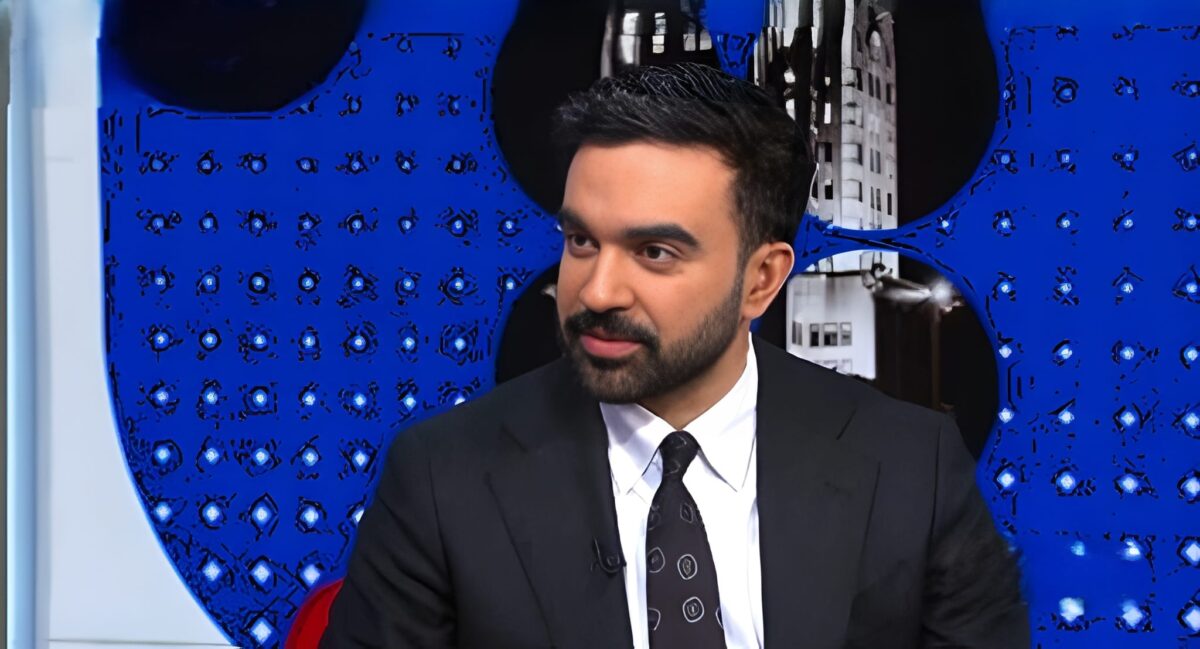
Zohran Mamdani, a 34-year-old state assemblyman, secured a landmark victory in the 2025 New York City mayoral race, becoming the city’s first Muslim mayor and its first South Asian-origin mayor. His campaign mobilised unprecedented turnout and upset expectations, defeating established political figures and marking a shift in New York politics.
Ethnicity & Early Life
Mamdani was born in Kampala, Uganda, on October 18, 1991, to parents of Indian descent. His father, Mahmood Mamdani, is a Ugandan academic with Gujarati roots, and his mother, Mira Nair, is a celebrated Indian-American filmmaker. The family moved to South Africa and later to New York City when Mamdani was about seven years old. On official forms, he has identified as both “Asian” and “Black or African American,” reflecting his mixed heritage. His ethnicity thus spans East African birth, Indian family heritage, and American citizenship.
Religion
Mamdani is a practicing Muslim and would become New York City’s first Muslim mayor. He has acknowledged his faith publicly, citing experiences of Islamophobia and emphasising inter-faith solidarity.
Wife & Personal Life
Mamdani is married to Rama Duwaji, a Syrian-American illustrator and activist. The couple met on the dating app Hinge, got engaged in 2024, and married in early 2025. They live together in Queens’ Astoria neighbourhood.
Net Worth
Although he comes from a prominent family, Mamdani’s personal net worth is modest for a major mayoral candidate. As of 2025, it is estimated around $200,000. His main assets include a plot of land in Uganda and his salary as a state assembly member (approximately $142,000 annually).
Policies & Platform
Mamdani’s campaign emphasised affordability, equity, and progressive reform. Key proposals include:
- A $30 minimum wage by 2030 in New York City.
- Free bus fares and a rent freeze on rent-stabilised housing.
- City-owned grocery stores in each borough to reduce food costs.
- Higher taxes on corporations and those earning above $1 million.
These policies reflect his democratic socialist leanings and his grassroots platform that appealed to younger voters and working-class New Yorkers.
Victory Strategy: How He Won
Mamdani’s win was fueled by several factors:
- A resurgent grassroots pool of volunteers and small-donation support that helped tip the Democratic primary.
- Ranked-choice voting enabled him to build a coalition across demographics, surpassing more established figures.
- His campaign’s focus on cost-of-living issues struck a chord amid New York’s housing and transit affordability crisis.
In June 2025, he defeated former governor Andrew Cuomo in the Democratic primary, and proceeded to the general election in November. His official term begins January 1, 2026.
What This Means
Mamdani’s rise signals a generational and ideological shift in New York City politics: a younger, multicultural, progressive leader poised to take the helm of one of the world’s largest cities. His background, policies and victory mark him as a significant figure nationally as well as locally.
Challenges Ahead
Despite his momentum, Mamdani faces hurdles: managing a sprawling city budget, building alliances across New York’s diverse political spectrum, and balancing ambitious reform with pragmatic governance. His limited executive experience has been cited by critics as a concern.
Conclusion
From Uganda to Queens, and from housing counsellor to mayor-elect, Zohran Mamdani’s journey is emblematic of new-era politics in New York City. His story blends personal diversity, modest means, and a bold progressive platform. As the city heads into a new chapter, Mamdani’s leadership will be closely watched — not just for his policies, but for how his multifaceted identity and historic election reshape the role of mayor in the Big Apple.