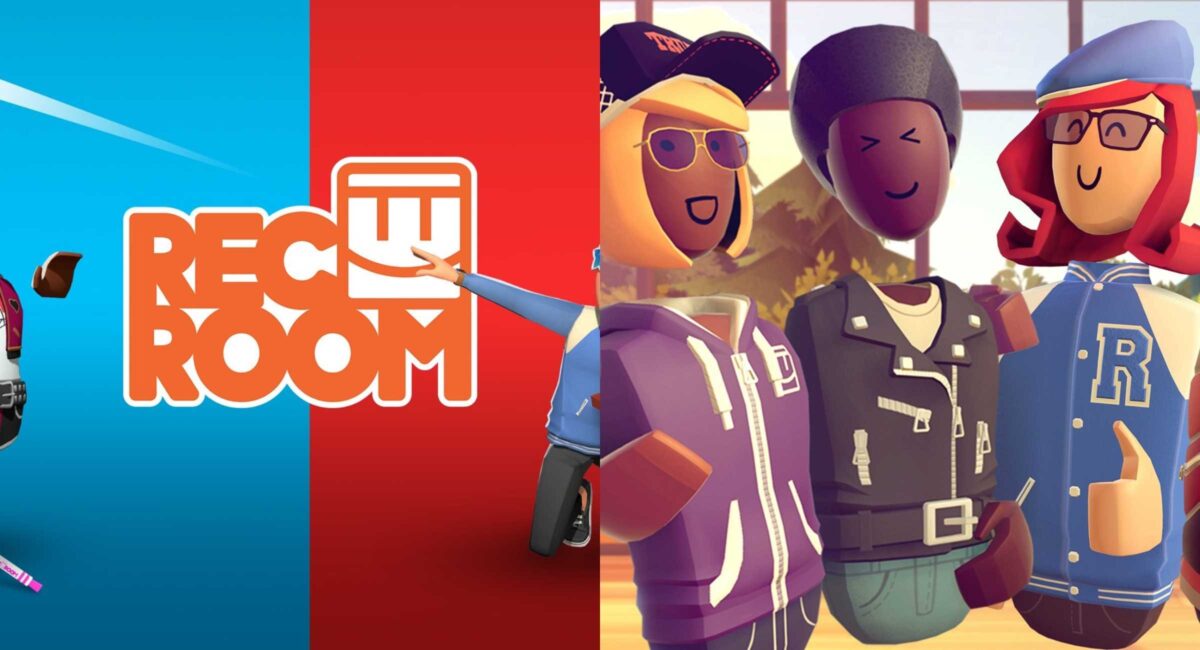
It’s official: Rec Room is shutting down on June 1, 2026, with developers confirming that the platform will go completely offline due to long-term financial losses and an unsustainable business model. The shutdown includes all servers, logins, and online features—meaning the game will no longer be playable after that date.
What “Rec Room Shutting Down” Means
- Shutdown Date: June 1, 2026
- Status: Permanent closure (no servers, no access)
- Reason: Costs consistently exceeded revenue
- Player Action: Download your data before shutdown
In simple terms, this isn’t maintenance or a temporary outage—Rec Room is permanently closing its doors.
The Official Announcement — Why Rec Room Is Closing
When a platform with over 150 million users shuts down, it’s never because of one single issue. It’s a chain reaction.
According to the company’s own statement, the core problem was brutally straightforward:
“Our costs always ended up overwhelming the revenue we brought in.”
That line tells you everything.
The Real Financial Breakdown
From years of covering gaming platforms, this pattern is familiar:
- Massive user growth
- Strong engagement
- Weak monetization
Rec Room checked all three boxes.
Despite its popularity and a peak valuation of $3.5 billion, the platform never found a reliable way to turn its massive player base into sustainable income.
The Bigger Industry Problem (And Why Rec Room Couldn’t Escape It)
This shutdown isn’t happening in isolation—it’s part of a wider shift in gaming and VR.
A Tough Moment for VR and Social Platforms
- VR engagement has slowed compared to early hype years
- Platforms are pivoting toward mobile-first strategies
- Even major companies are cutting costs and scaling back
Rec Room expanded aggressively across:
- VR
- Consoles
- Mobile
But here’s the catch (and it’s one many startups underestimate):
Every new platform adds cost—servers, moderation, support—without guaranteeing revenue growth.
What Happens on June 1, 2026
Let’s be clear—this is a full shutdown, not a partial one.
What Stops Working
On June 1:
- You cannot log in
- All servers go offline
- The Rec Room website shuts down
- Creator tools and live services disappear
There is no offline mode, no backup version.
Once it’s gone, it’s gone.
What’s Already Changing Before Shutdown
Rec Room isn’t waiting until June—they’ve already started winding things down.
Features Already Disabled
- New account registrations → stopped
- Subscriptions (RR+) → disabled
- New monetized content → blocked
- Some creator earnings systems → phased out
This staged shutdown is standard in the industry—it prevents last-minute financial liabilities.
Layoffs Were the Warning Sign Everyone Missed
If you followed the company closely, the shutdown didn’t come out of nowhere.
The 2025 Layoffs
- Rec Room cut around half of its staff
- Leadership framed it as “extending runway”
From experience, that phrasing is a red flag.
Layoffs in gaming companies usually mean one of two things:
- A turnaround attempt
- A countdown to closure
In this case, it was the latter.
What Players and Creators Need to Do Right Now
This is the most important section if you’re still playing.
For Players
Before June 1, you can:
- Download your photos and memories
- Save your avatar report card
But you cannot:
- Keep playable rooms
- Access your account after shutdown
For Creators
This hits even harder.
- No new monetized content allowed
- Final payouts will be processed before closure
- Some project data can be exported—but not fully recreated
If you’ve built worlds inside Rec Room, understand this:
Those worlds won’t survive the shutdown in playable form.
For Purchases and Subscriptions
- Active subscriptions run until June 1
- Some refunds may be issued
- In-game currency becomes worthless after shutdown
Digital ownership, once again, proves to be temporary.
150 Million Players — So Why Did It Still Fail?
This is the uncomfortable truth.
Popular Doesn’t Mean Profitable
Rec Room had:
- Huge global adoption
- Millions of active users
- A thriving creator community
But…
- Most users didn’t spend money
- Monetization per player stayed low
- Costs kept rising with scale
That gap—between engagement and revenue—is where platforms collapse.
What Happens Next for Players?
When a major platform shuts down, players don’t disappear—they migrate.
Likely Alternatives
- Social VR platforms like VRChat
- Sandbox creators like Roblox
- Emerging mobile-first social games
But here’s what you won’t find easily:
The exact same “Rec Room vibe.”
That mix of simplicity, creativity, and social interaction was unique—and difficult to replicate.
Final Verdict: The End of Rec Room—and a Warning Sign for the Industry
The Rec Room shutting down story is bigger than one platform closing.
It highlights three hard truths:
- User growth alone isn’t enough
- The metaverse hype cycle has cooled sharply
- Sustainable monetization is everything
From an editorial perspective, this feels like a turning point.
We’re moving away from “build it and users will come” toward “build it—and prove it makes money.”
And for players?
The priority is simple:
Download your memories before June 1—because after that, Rec Room becomes part of gaming history.