On February 28, 2026, OpenAI secured a landmark agreement with the U.S. Department of Defense to deploy its artificial intelligence models on classified Pentagon networks, just hours after President Donald Trump directed federal agencies to cease using rival AI firm Anthropic’s technology — labeling it a national security risk and “supply-chain risk.” The move intensifies the ongoing standoff over AI safety, military use policies, and ethical guardrails, and reshapes the landscape of U.S. defense-AI collaboration.
The U.S. Government’s Ban on Anthropic
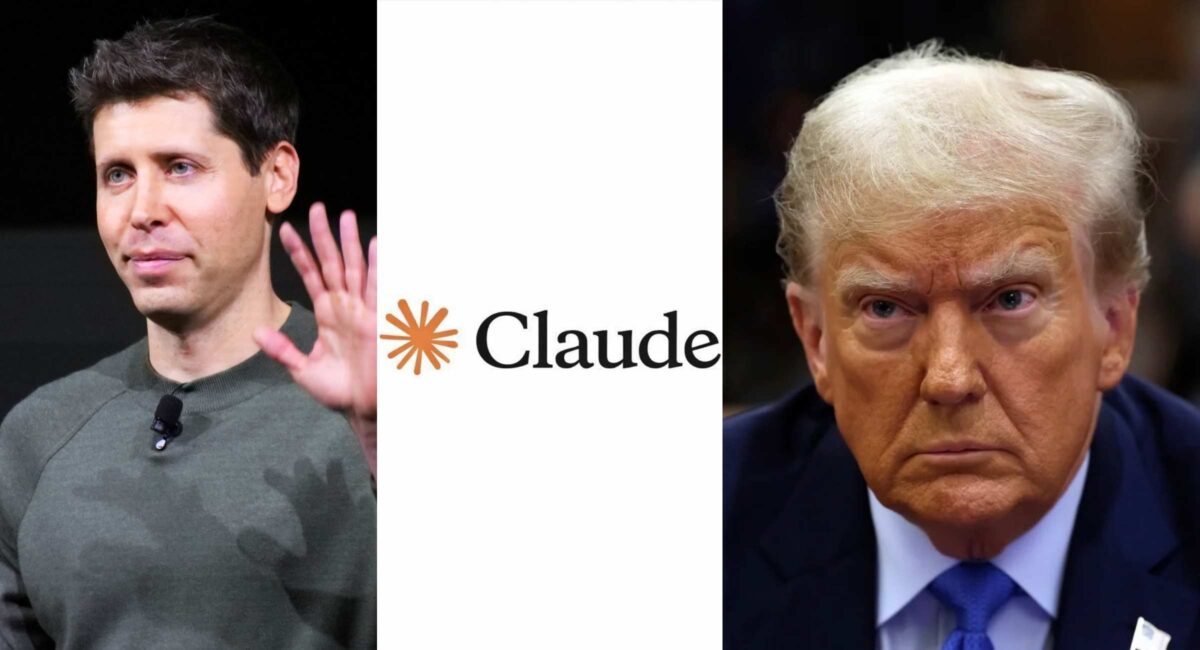
Earlier Friday, President Trump issued an executive directive instructing all U.S. federal agencies to immediately discontinue use of Anthropic’s technology, including its widely used Claude AI systems. The announcement followed weeks of escalating tensions between Anthropic and the U.S. Defense Department over how its AI models could be deployed for defense-related applications.
National Security Label and Pentagon Stance
- Defense Secretary Pete Hegseth publicly designated Anthropic a “supply-chain risk to national security,” a classification typically reserved for foreign adversary tech firms — a stark and unprecedented move against a U.S. AI company.
- The Pentagon alleged that Anthropic’s refusal to grant unrestricted military use of its AI models — including removal of limits on mass surveillance and fully autonomous weapons — jeopardized U.S. defense procurement requirements.
Anthropic’s leadership, led by CEO Dario Amodei, had consistently resisted Pentagon demands to eliminate contractual safety guardrails forbidding its models’ use in mass domestic surveillance or unmonitored autonomous systems. In public responses, Anthropic called the designation “legally unsound” and vowed to challenge it in court.
OpenAI’s Deal with the Pentagon
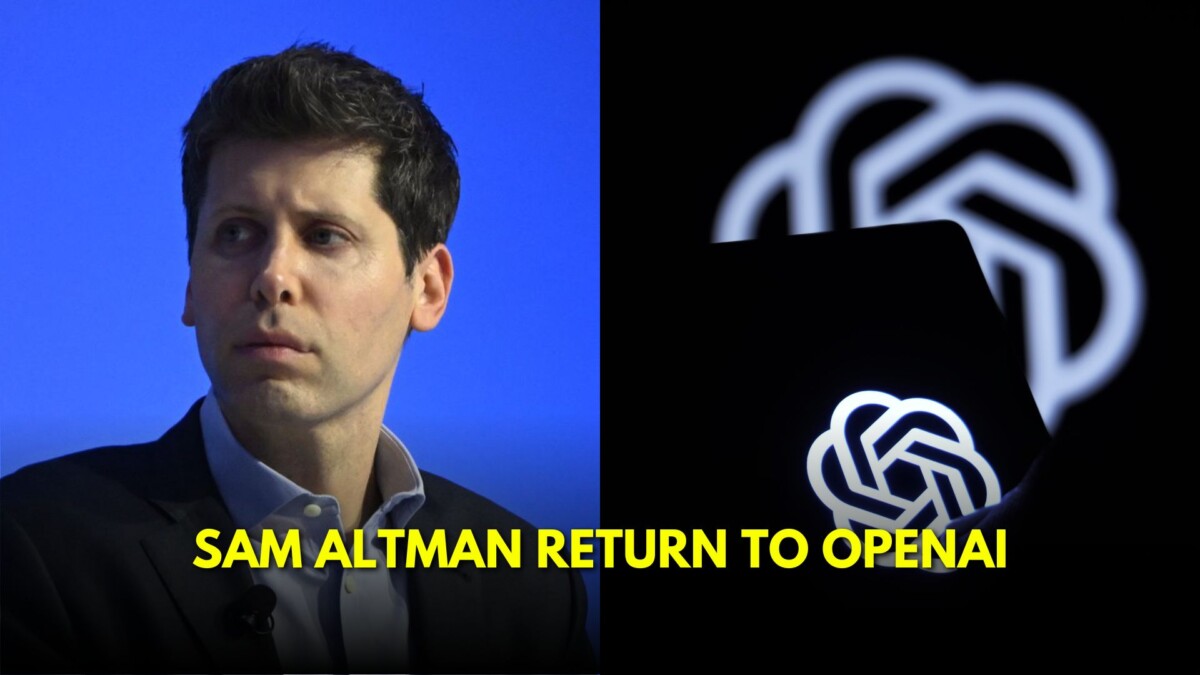
Just hours after the Trump administration’s ban on Anthropic became official, OpenAI announced that it had reached a classified-network deployment agreement with the U.S. Department of Defense. CEO Sam Altman publicly framed the deal as being built on agreed safety principles that align with both federal policy and OpenAI’s own ethical commitments.
Core Terms & Safeguards
According to Altman’s statement on social media platform X:
- The agreement embeds prohibitions on domestic mass surveillance and affirms human oversight of any use of force, including systems with autonomous functions.
- OpenAI will deploy its models inside classified military systems with technical safeguards and embed its engineers on-site to ensure the technology “behaves as intended.”
Altman further urged that the same principles should be available to all AI firms negotiating with the U.S. government, indicating an attempt to de-escalate the broader industry standoff.
What Triggered the Escalation?
The confrontation traces back to weeks of negotiations between Anthropic and the Pentagon, where the central question was whether a private company could impose contractual restrictions on how its AI could be used in defense applications:
- Anthropic’s Terms:
Anthropic had previously won approvals for classified use of its Claude model, but resisted removing clauses that prevented its use for mass domestic surveillance and autonomous weapons — arguing these posed ethical and legal risks. - Pentagon Demands:
The Department of Defense insisted on unconditional access “for all lawful purposes,” which, critics claim, includes potential applications Anthropic’s leadership considered unethical or risky. - Deadline and Fallout:
After negotiations collapsed and the Pentagon threatened a supply-chain-risk designation, Trump’s administration escalated by blacklisting Anthropic from government contracts altogether.
Industry analysts argue this sequence of events now marks one of the most consequential intersections of AI governance, national security, and public policy in recent memory.
Industry and Political Reactions
AI Safety Community
Top AI ethics advocates and some Silicon Valley figures have expressed concern that the Pentagon’s actions could have a chilling effect on responsible AI safety practices, particularly if companies feel pressured to drop ethical guardrails to secure defense contracts.
Defense and Government Voices
Pentagon officials and Trump administration spokespeople defended the measures as necessary to protect military readiness and ensure technology providers do not constrain national defense capabilities.
Some lawmakers have also raised alarms, suggesting the ban and blacklist could be politically motivated or unevenly applied, given that OpenAI agreed to similar safety tenets that Anthropic advocated.
Anthropic’s Response
Anthropic has signaled it will pursue legal challenges against its designation and contends that the government’s framing and actions set dangerous precedents for U.S. technology firms negotiating safety limitations.
Implications for AI and Defense Technology
This episode highlights several critical fault lines in how advanced AI technologies are integrated with national security frameworks:
- Ethics vs. Operational Freedom:
The clash underscores the tension between ethical safeguards championed by AI developers and unfettered operational flexibility desired by defense agencies. - Industry Precedent:
Blacklisting a domestic AI company for prioritizing safety restrictions is rare and could influence future negotiations across major U.S. tech firms. - Safety Frameworks in Government Contracts:
OpenAI’s ability to secure a classified deployment deal under agreed constraints may shape how the Pentagon balances risk management with technological innovation going forward.
Conclusion: A Pivotal Moment in AI-Defense Policy
The rapid sequence — from Trump’s ban on Anthropic to OpenAI’s Pentagon deal — has quickly become a defining moment in U.S. AI policy. It raises profound questions about corporate autonomy, government power, and the ethical boundaries of artificial intelligence in defense applications.
Whether this signals a new era of tighter alignment between the U.S. government and leading AI firms or stokes deeper divisions over AI safety — the fallout will reverberate throughout Silicon Valley, Congress, and global AI governance efforts in the months and years ahead.