On January 7, 2026, a 37-year-old Minneapolis woman named Renee Nicole Good was shot and killed by a U.S. Immigration and Customs Enforcement (ICE) agent during a federal immigration enforcement operation in south Minneapolis — an event that has triggered intense public outrage, conflicting official narratives, bipartisan political backlash, and a warning order to the Minnesota National Guard by Governor Tim Walz.
Renee Nicole Good: Who She Was
Renee Nicole Good — a 37-year-old U.S. citizen and Minneapolis resident — was identified by her mother, Donna Ganger, soon after the shooting. Family and friends describe her as a compassionate caregiver, mother, partner, and artist who was not directly involved in anti-ICE protests or targeted for immigration enforcement at the time she was killed.
Good lived in the Twin Cities area with her partner and their young child, a six-year-old son whose father died in 2023. According to local reports, Good was deeply embedded in her community, caring for neighbors and engaged in everyday life — not participating in violent actions that federal authorities would later describe.
The Shooting: Conflicting Accounts
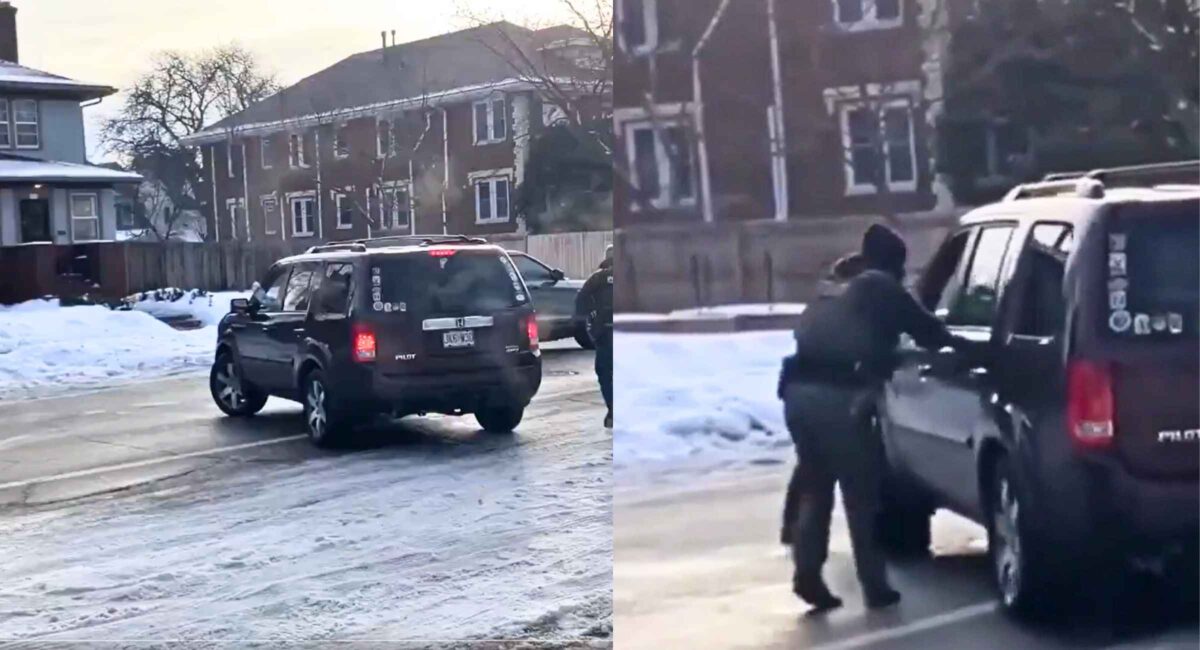
Federal authorities — including Department of Homeland Security (DHS) officials and ICE spokespeople — stated that Good attempted to “weaponize her vehicle” and rammed an ICE agent during a large immigration operation, characterizing her actions as an act of domestic terrorism. DHS Assistant Secretary Tricia McLaughlin publicly framed the incident as Good attempting to use her SUV to injure law enforcement officers, justifying the use of lethal force by the agent.
In contrast, independent video footage and eyewitness accounts shared widely on social media and by local news outlets paint a drastically different picture:
- Multiple videos show Good’s vehicle backing away slowly as federal agents approach, with at least one ICE agent stepping back and then firing three shots into the vehicle as it passed him.
- Some witnesses maintain that Good was trying to leave the scene after being surrounded, rather than aggressively attacking any officers.
- Other eyewitnesses reported that emergency medical assistance was delayed and that an offered physician was initially refused access to Good’s vehicle by ICE agents.
Local Leaders’ Response & Political Fallout
The incident has rapidly escalated into a political flashpoint, illustrating broader tensions over federal enforcement in Minneapolis:
- Mayor Jacob Frey vehemently disputed the federal narrative of self-defense, calling the characterization “bulls*” and condemning the use of federal force in neighborhoods already wounded by past incidents of police violence.
- Governor Tim Walz issued a warning order for the Minnesota National Guard, preparing troops to support peaceful protest and safeguard public safety — though he stressed that this was not a full deployment. Walz also challenged the federal account and called for an expeditious and transparent investigation.
- State legislators and community advocates have echoed calls for accountability and independent scrutiny of ICE operations in the city.
At the same time, federal officials, including DHS leadership and the Trump administration, have doubled down on their framing of the incident as justified defensive action by an agent under threat, even as independent video evidence has been circulated widely that appears to contradict claims that the agent was struck or in imminent danger.
Protests and Public Reaction
In the wake of the shooting, hundreds — and in some reports thousands — of mourners and protesters gathered near the site on Portland Avenue South, less than a mile from where George Floyd was killed in 2020, reinforcing Minneapolis’ historical wounds with law enforcement use of force.
Protesters chanted demands for accountability, called for ICE’s removal from the city, and held candlelight vigils in Good’s honor. The demonstrations have been largely peaceful but tense, with accounts of federal agents deploying tear gas and pepper spray to disperse crowds.
Community members also widely shared social media tributes to Good, framing her as a loving mother and community member whose life was ended abruptly. The conversation around Good’s death has quickly become a focal point in national discussions on immigration enforcement, law enforcement accountability, and civil liberties.
Ongoing Investigation
The shooting remains under active investigation by both the Federal Bureau of Investigation (FBI) and the Minnesota Bureau of Criminal Apprehension. Local law enforcement and state officials have called for full transparency in the inquiry, including body-cam and third-party video evidence, while legal and civil rights groups are monitoring developments closely.
Importantly, the ICE agent involved has not been publicly identified, and federal authorities say the officer has been treated and released from medical care following the incident.
National Guard Alert and Safety Measures
Governor Walz’s warning order prepares the Minnesota National Guard to assist with potential unrest related to the shooting, including protecting peaceful protesters and providing support if local law enforcement resources are overwhelmed. The order does not necessarily mean troops are deployed on the streets at this time, but it signals the seriousness with which state leadership views potential escalation.
Walz emphasized that residents have the right to express their anger and frustration, urging peaceful demonstrations while assuring that state forces stand ready to help maintain public order if needed.
Wider Implications
The killing of Renee Nicole Good — at a time when Minneapolis is once again under intense national scrutiny — has already reshaped the discourse around federal immigration enforcement and community policing. It has intensified debates about:
- Federal vs. local control of law enforcement actions
- The role of ICE in urban settings
- Civil liberties and public safety in protest environments
- Use of lethal force standards for federal officers
Critics argue that the incident highlights systemic issues in how federal law enforcement engages with civilians, particularly during highly charged operations. Supporters of the ICE action, including federal leadership, maintain it was a necessary and justified use of force against what they call a violent threat — a portrayal disputed by major local officials and independent video evidence.
Conclusion
Renee Nicole Good’s death has become a flashpoint in ongoing national debates over immigration policy, law enforcement oversight, and government transparency. With multiple investigations underway and public trust deeply divided, the coming days will be crucial for understanding not just what happened on January 7 in Minneapolis, but how America balances security and civil rights in an era of heightened political and social tensions.