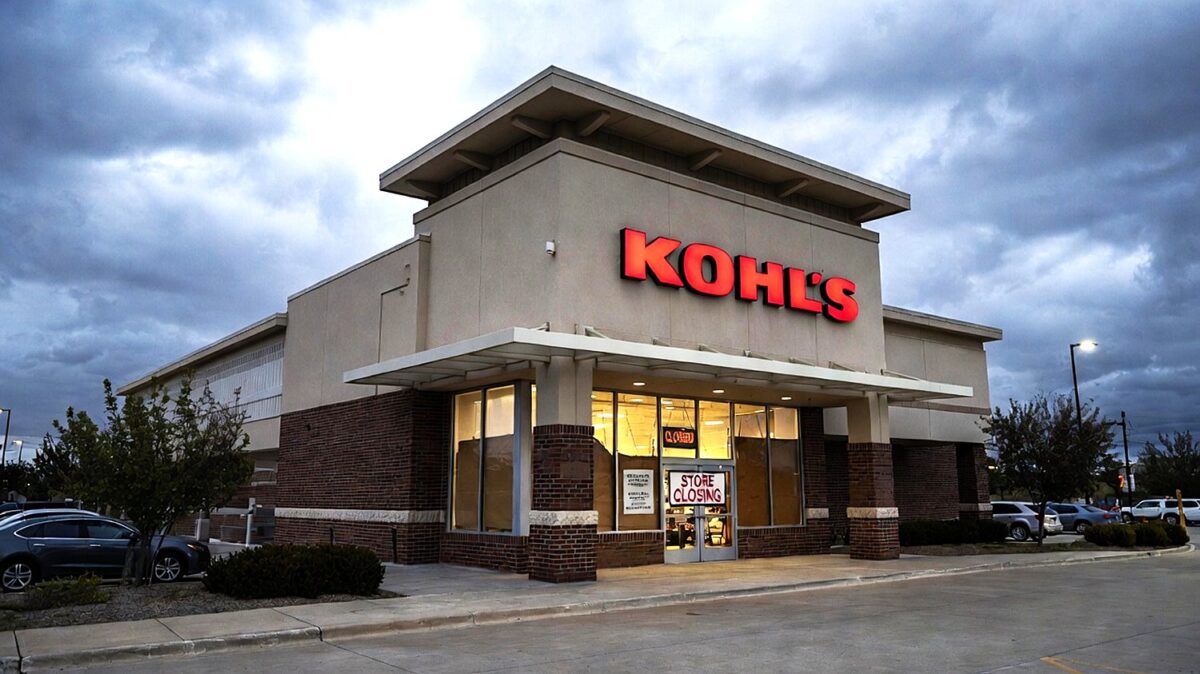
If you’ve been seeing headlines about Kohl’s stores closing, here’s the verified reality: Kohl’s closed 27 underperforming locations in 2025 as part of a restructuring plan, but as of 2026, leadership has not announced any large-scale additional closures. Instead, the company is shifting focus toward improving store performance, cutting costs, and modernizing operations rather than shrinking its footprint further.
That’s the short answer. The longer story (and it matters if you’re a shopper, investor, or employee) reveals a retailer trying to stabilize—not disappear.
Why Kohl’s Closed 27 Stores in 2025
The 27-store closure decision wasn’t sudden—it was the result of sustained pressure.
By late 2024, Kohl’s had already reported multiple consecutive quarters of declining sales, with consumer spending shifting toward discount retailers and online platforms.
The Core Reasons Behind the Closures
1. Underperforming Locations
Kohl’s made it clear these stores were not meeting profitability benchmarks. They represented only about 2–3% of its 1,100+ store network, a relatively small cut—but a symbolic one.
2. Changing Consumer Behavior
From my experience covering retail trends, this is the real pressure point:
- Shoppers are spending less on mid-range department stores
- Discount chains and e-commerce giants are winning on price and convenience
3. Operational Efficiency Push
Alongside store closures, Kohl’s:
- Cut ~10% of corporate workforce
- Shut down a major e-commerce fulfillment center in California
This wasn’t just trimming—it was a reset.
2026 Update: Are More Kohl’s Stores Closing?
Here’s where the narrative shifts.
Despite fears of a wider shutdown wave, there is no confirmed large-scale closure program for 2026.
Instead, verified reports show:
- Only isolated or individual store closures (e.g., a Michigan location)
- Leadership focusing on store experience improvements rather than mass shutdowns
What the CEO Strategy Signals
Internally, the message is clear (and consistent with past retail turnarounds I’ve covered):
Fix the stores. Don’t abandon them.
Kohl’s still operates over 1,100 locations nationwide, and executives have repeatedly emphasized confidence in the “profitable store base.”
That’s important—because retailers planning aggressive closures usually signal it early. Kohl’s hasn’t.
What Kohl’s Is Doing Instead of Closing Stores
Rather than shrinking, Kohl’s is trying to reinvent how its stores work.
1. Low-Cost Product Expansion
The company is pushing more budget-friendly merchandise (under $10) to attract price-sensitive shoppers.
2. Store Layout Redesign
Expect more:
- Checkout-area impulse products
- Visual merchandising upgrades (mannequins, curated looks)
This may sound small—but in retail, layout changes can lift sales significantly.
3. Brand Partnerships
Kohl’s continues investing in:
- Sephora in-store experiences
- Popular brands like Nike and emerging beauty labels
4. Omnichannel Strategy
Instead of relying heavily on warehouses, Kohl’s is:
- Using stores as fulfillment hubs
- Streamlining delivery logistics
(That’s a strategy Walmart and Target have leaned into—with real success.)
Is Kohl’s in Trouble? The Bigger Retail Context
Let’s be honest—department stores are under pressure.
Kohl’s isn’t alone.
Industry-Wide Trends
- Macy’s is closing up to 150 stores by 2026
- Thousands of U.S. retail locations shut down annually
- E-commerce continues to eat into physical retail margins
But here’s the nuance:
Kohl’s closures were targeted, not systemic.
From my perspective, that puts it in a different category than retailers in full retreat (like Bed Bath & Beyond was before its collapse).
What This Means for Customers
If you’re wondering whether your local Kohl’s is at risk, here’s the practical takeaway:
Your Store Is Likely Safe If:
- It meets sales targets
- It’s in a high-traffic retail area
- It has updated store formats or Sephora integration
Higher Risk Locations:
- Underperforming mall-based stores
- Areas with declining foot traffic
- Regions with heavy discount retail competition
Even then, closures are selective—not widespread.
What This Means for Employees
The 2025 restructuring did impact jobs—but Kohl’s handled it in a typical corporate way:
- Severance packages offered
- Transfers to nearby stores encouraged
For 2026, the outlook is more stable—though retail volatility always remains.
Step-by-Step: How to Check If Your Kohl’s Store Is Closing
Step 1: Visit Kohl’s official website or store locator
Check if your location is still listed.
Step 2: Monitor local news reports
Closures are usually announced regionally first.
Step 3: Watch for clearance sales
“Everything must go” promotions often signal a shutdown.
Step 4: Ask in-store staff
Employees are typically informed before public announcements.
Final Analysis: Stabilization, Not Collapse
After tracking retail restructurings for years, here’s the honest read:
Kohl’s isn’t expanding aggressively—but it’s not collapsing either.
The Kohl’s stores closing story peaked in 2025 with those 27 shutdowns. In 2026, the company is clearly in stabilization mode:
- Cut weak locations
- Strengthen profitable ones
- Adapt to new shopping habits
That’s a classic turnaround playbook.
Conclusion
The headlines might suggest a retail chain in decline—but the data tells a more measured story.
Kohl’s closed 27 stores in 2025—but there is no confirmed wave of major closures in 2026. Instead, the company is refining its strategy, upgrading stores, and trying to stay competitive in a rapidly shifting retail landscape.
Whether that works long-term? That’s still an open question.
But for now, Kohl’s isn’t disappearing—it’s recalibrating.