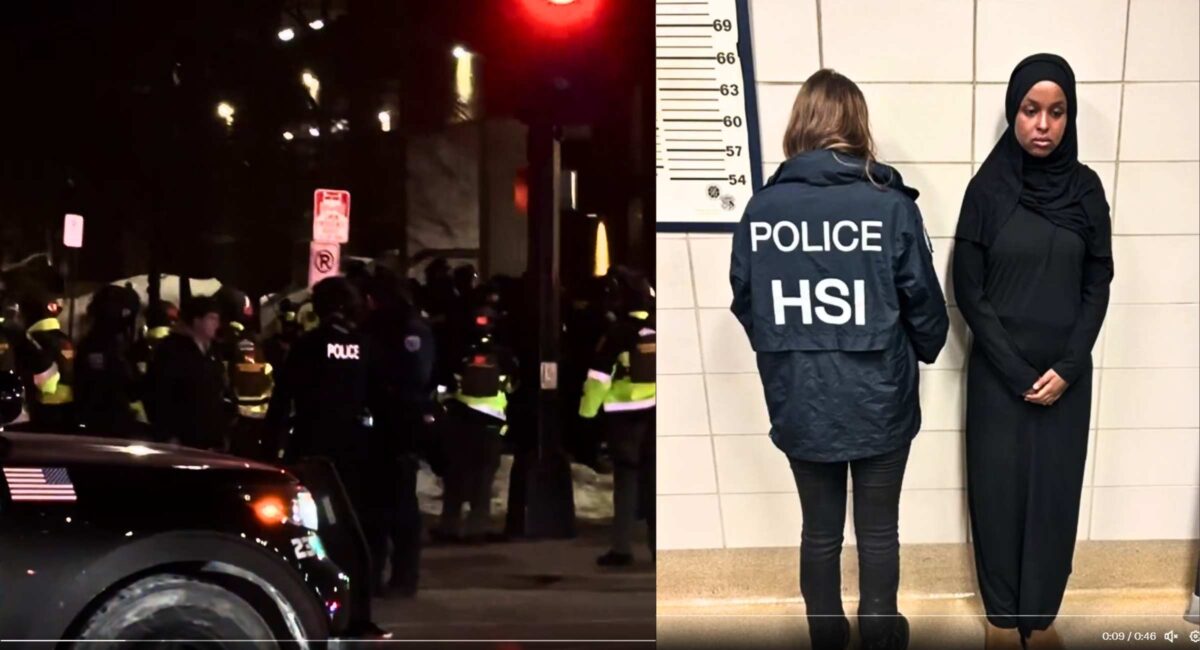
In Minneapolis on January 28, 2026, the U.S. Department of Justice — led on the ground by Attorney General Pam Bondi — announced that 16 people were arrested and federally charged for assaulting, resisting or impeding federal law enforcement officers during protests tied to the Operation Metro Surge immigration enforcement operation in Minnesota. The arrests mark a significant escalation in the ongoing conflict between local communities and federal immigration agents, underscoring deep tensions over civil liberties, public safety and aggressive enforcement actions.
What Happened in Minneapolis
Federal authorities, responding to confrontations surrounding ICE (Immigration and Customs Enforcement) operations in Minneapolis, arrested 16 individuals on Wednesday for alleged assaults against federal agents — including ICE officers — and for resisting or impeding them during protests. Pam Bondi confirmed the arrests, identified those charged, and stated that she expects additional arrests to follow as part of the broader enforcement effort.
What Is Operation Metro Surge?
Federal Immigration Enforcement in Minnesota
Operation Metro Surge refers to a large-scale federal immigration enforcement initiative in Minnesota, where ICE and other Department of Homeland Security agents were deployed en masse to arrest individuals with outstanding immigration violations or criminal histories. The operation intensified in early January amid pushback from local officials and activists who argued it was overly aggressive and harmful to community trust.
Protests and Rising Tensions
The ICE presence in Minneapolis and surrounding areas drew regular demonstrations. Residents, civil liberties groups and labor organizations staged protests under banners like “ICE Out of MN,” calling for an end to federal enforcement tactics they described as unconstitutional, heavy-handed and disruptive to daily life. Some protests remained peaceful; other confrontations grew heated as federal agents and demonstrators clashed.
Who Were the 16 Arrested?
Pam Bondi publicly named the individuals arrested on federal charges related to alleged assaults on officers or interference with federal enforcement. The arrests were made under 18 U.S. Code § 111, a federal statute that criminalizes assaulting, resisting, or impeding certain officers or employees of the United States.
Those arrested include:
- Christina Rank
- Abdikadir Noor
- Madeline Tschida
- Nitzana Flores
- Helicity Borowska
- Quentin Williams
- William Vermie
- Paul Johnson
- Gillian Etherington
- Joshua Doyle
- Kirubele Adbebe
- Margaret Sager
- Ilan Wilson-Soler
- Nasra Ahmed
- Alice Valentine
- Matrim Charlebois
Bondi described these individuals as “rioters” who had been “resisting and impeding our federal law enforcement agents,” reflecting the administration’s framing of the protests as not only civil disobedience but unlawful interference.
Federal Charges and Legal Context
Assault, Resisting or Impeding Federal Officers
The federal charges under 18 U.S.C. § 111 apply to individuals accused of assaulting or obstructing federal officers engaged in official duties. Such charges can include actions like physical attacks, attempts to interfere with arrests, and resisting arrest itself.
According to court filings and reports:
- Some individuals are accused of physical contact with agents, including hitting or pushing.
- Nasra Ahmed, a 23-year-old U.S. citizen, is charged with resisting arrest, throwing an egg at agents and spitting, according to federal documents. She has publicly described her earlier detention by ICE agents as violent and said she suffered a concussion during the encounter.
Federal Enforcement Pattern
Previous investigations of federal prosecutions for assaulting ICE agents during similar operations indicate that such cases often face hurdles, with some charges being dismissed or failing to secure indictments when evidence is insufficient. Legal analysts warn that proving intent and injury in chaotic protest settings can be legally challenging.
The Nasra Ahmed Case: A Closer Look
Nasra Ahmed, one of the 16 arrested, has become a focal point in the broader debate over immigration enforcement and civil liberties. She is a U.S. citizen born in Minnesota who says she was wrongly detained by ICE in January, sustaining a concussion and other injuries during her arrest — yet released without charges after two days.
At a news conference, Ahmed described her experience as traumatic, asserting she was simply present in her neighborhood when federal agents arrived — not involved in any criminal conduct. She claims that during her detention, agents used excessive force and made racist remarks, allegations that have not been independently verified but have fueled public anger and calls for accountability.
Broader Minneapolis Context: Violence and Protests
Fatal and Nonfatal Clashes
Minnesota has seen multiple concerning incidents since the surge began, including a fatal shooting by an ICE agent earlier in the month, which added urgency and emotional weight to protests. Local officials, activists and civil rights groups have demanded independent investigations and restrained actions, citing both constitutional concerns and disproportionate use of force.
State and Federal Tension
The state and local governments — including Minnesota and the cities of Minneapolis and St. Paul — have filed legal challenges against the federal operation, arguing its scope and methods violate state sovereignty and constitutional protections. Lawsuits contend that warrantless stops, racial profiling and warrantless entries into hospitals or private spaces undermine civil liberties.
Calls for Strikes and General Resistance
Organizers of earlier protests in the Twin Cities called for broad actions, including general strikes and coordinated demonstrations to demand an end to the federal immigration operation and accountability for federal shootings.
Political Reactions and Rhetoric
Government Stance
Pam Bondi and the Department of Justice have taken a hard line, reiterating that federal law enforcement must be defended and that interference will be prosecuted. Bondi’s statement that “nothing will stop the Trump administration and the DOJ from enforcing the law” reflects a political imperative to assert federal authority amid heated opposition.
Local and Civil Liberties Concerns
Civil rights advocates and some local officials argue the federal response is disproportionate, pointing to constitutional protections for peaceful protest and questioning data and narratives presented by federal authorities about supposed criminal actors.
What Happens Next: Legal and Civic Fallout
Ongoing Cases
The 16 individuals arrested have appeared in federal court as of Wednesday, and several face pretrial hearings. Prosecutors are likely to pursue their cases under federal statutes, though defense attorneys may argue lack of credible evidence or contest the characterization of the events as violent or unlawful.
Community Impact
The arrests will likely deepen divisions within Minneapolis and beyond. Supporters of the operation believe law enforcement must be upheld; opponents argue the aggressive tactics — including controversial detentions like Ahmed’s — undermine public trust in both immigration policy and law enforcement.
Conclusion: A Nation Divided Over Enforcement and Rights
The 16 arrests in Minneapolis mark a clear escalation in the federal government’s response to protests against ICE operations. As Attorney General Pam Bondi underscores federal resolve, the political and social implications continue to unfold — with civil liberties advocates warning that such prosecutions and enforcement tactics could chill protected protest activity and erode community relations. The outcome of these cases, and broader political debates they symbolize, will resonate far beyond Minnesota, influencing how federal immigration enforcement intersects with constitutional rights in the United States.