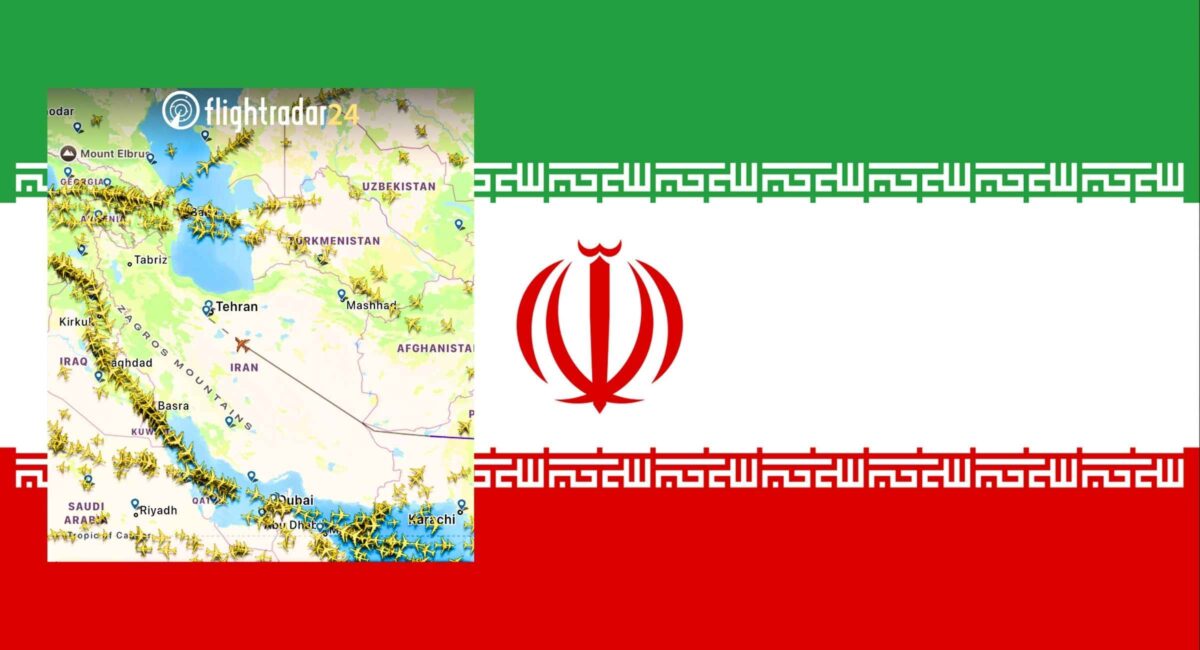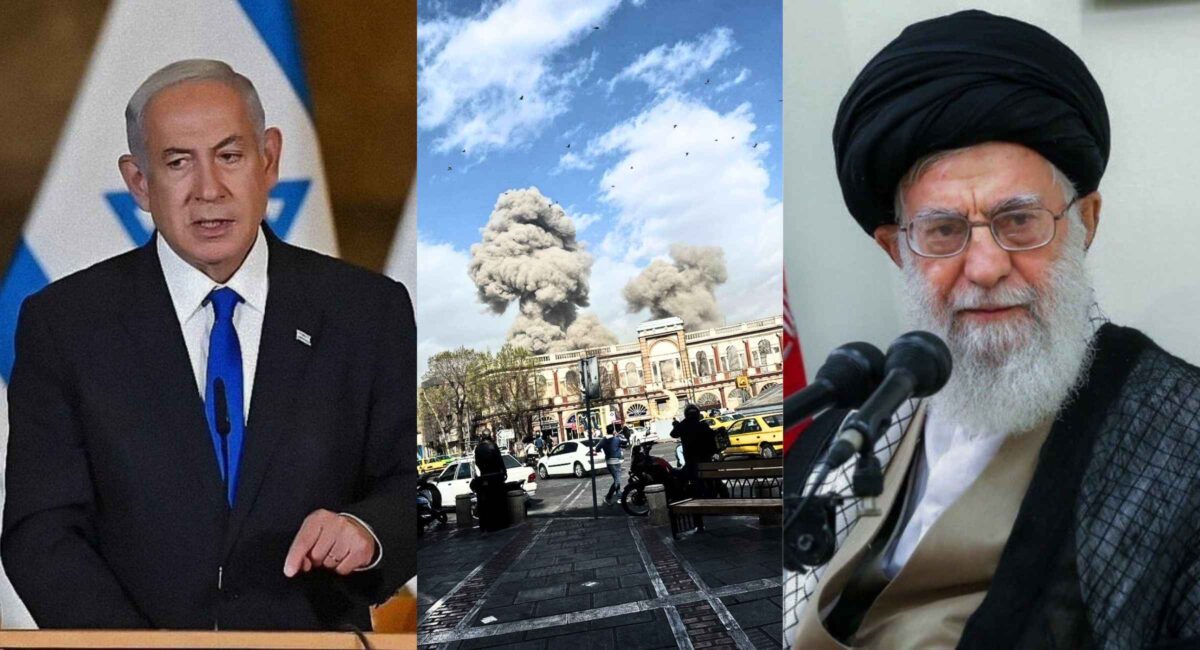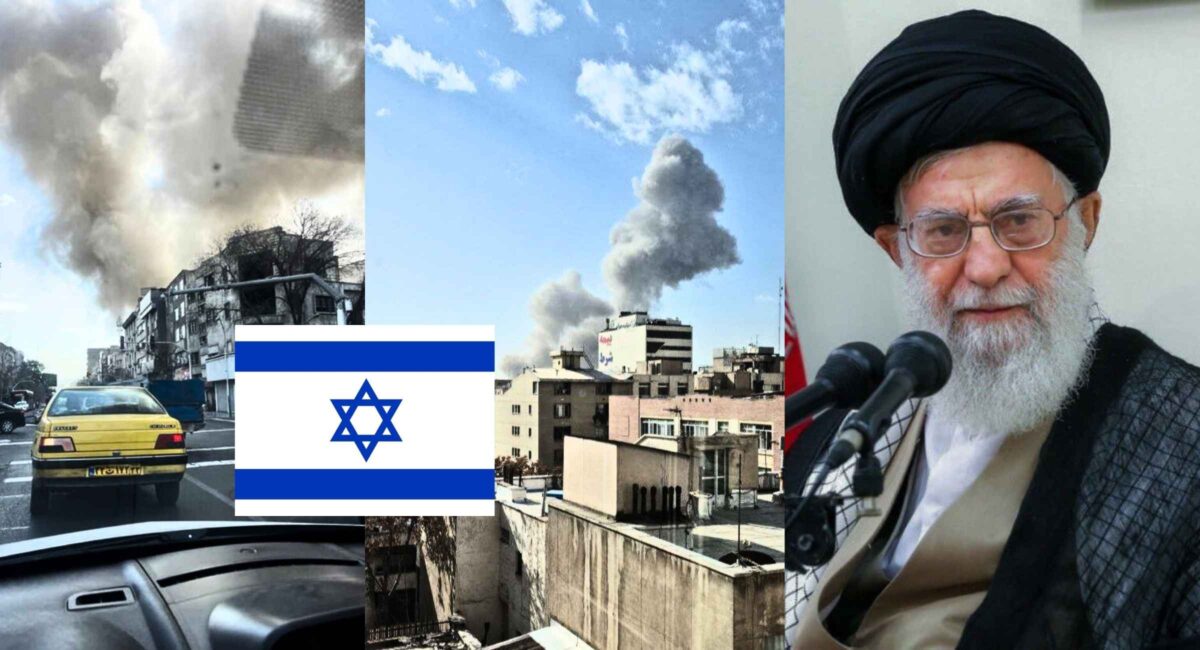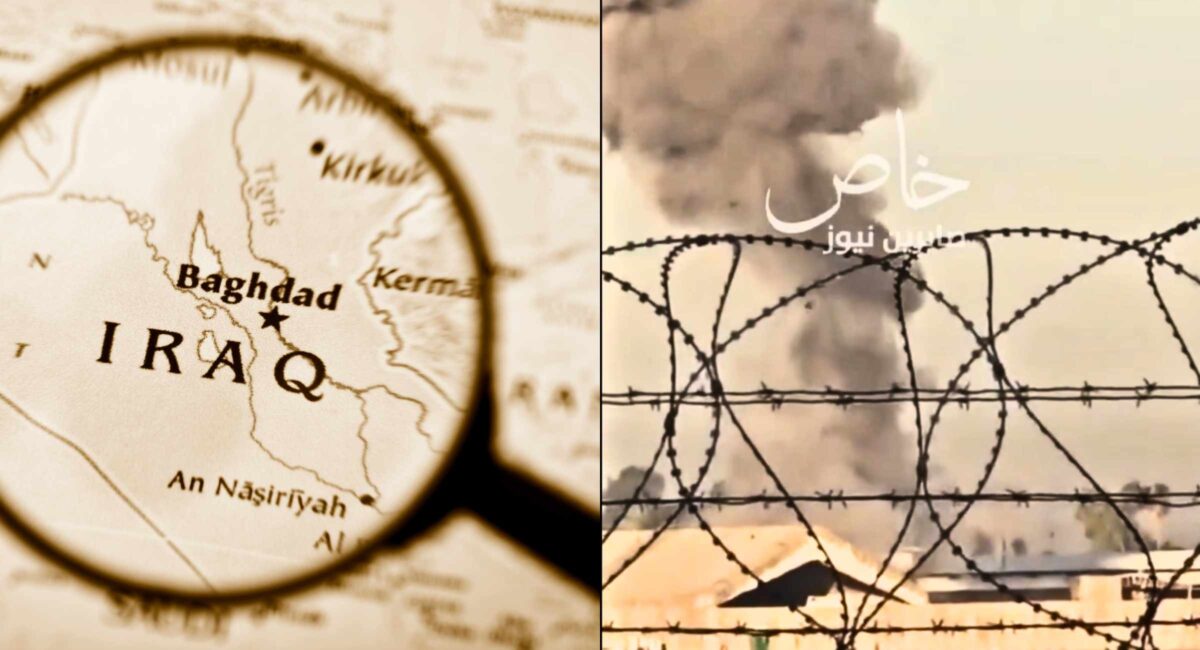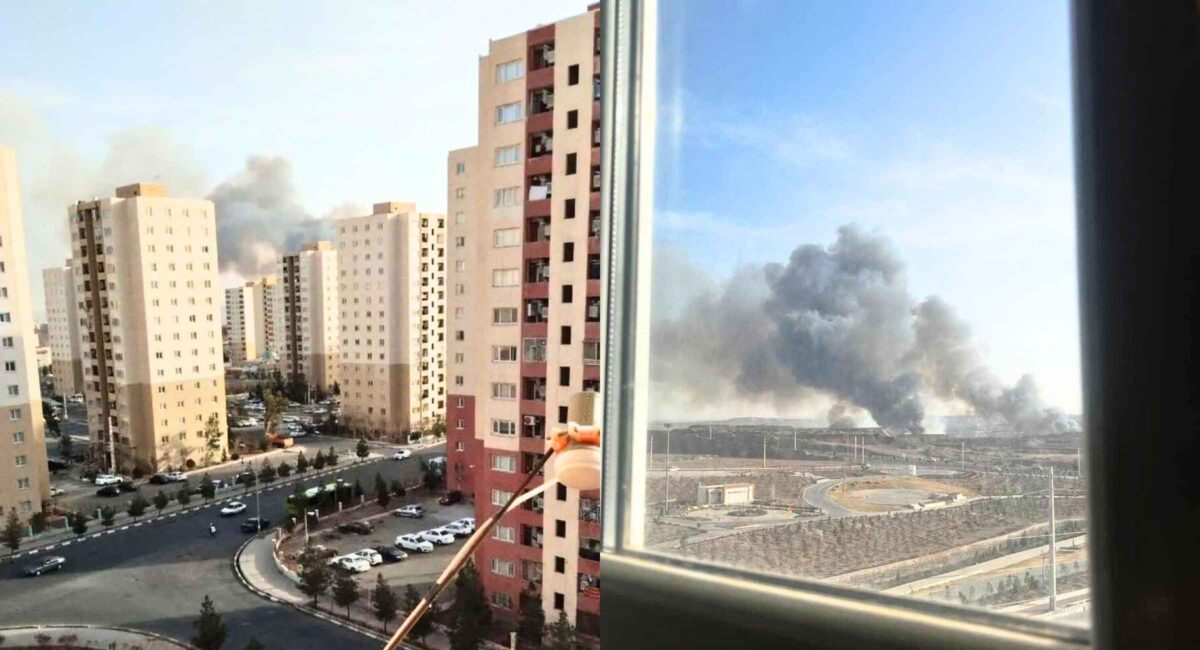
On January 31, 2026, a series of explosions struck two Iranian cities — Bandar Abbas and Ahvaz — killing at least five people and injuring more than a dozen. Iranian officials say both incidents were caused by gas leaks, dismissing widespread online speculation about foreign strikes or targeted attacks. The blasts occurred amid rising U.S.–Iran tensions over nuclear issues and protests, feeding a swirl of rumors that were later officially rejected.
Verified facts:
✔ Multiple explosions occurred in Bandar Abbas and Ahvaz on January 31.
✔ Officials in both cities blame gas leaks for the blasts.
✔ At least five people were killed, with more injured.
✔ Claims of U.S. or Israeli involvement are denied by multiple governments.
What Happened: Verified Incident Overview
Bandar Abbas Explosion — Southern Port City
In Bandar Abbas, a major port on the Strait of Hormuz, an explosion ripped through an eight-story residential building on Saturday afternoon. Iranian state media and fire officials reported:
- Fatalities: At least one person, including a four-year-old girl.
- Injuries: 14 people hospitalized with burns and shrapnel wounds.
- Cause (official): A gas leak in the building’s infrastructure.
- Damage: Two floors collapsed, multiple vehicles and nearby shops were damaged.
Local authorities — including the fire chief — publicly stated that the blast was not the result of military action. Those claims circulated widely online but were dismissed as unfounded by multiple official channels.
Bandar Abbas lies at a strategic chokepoint for global oil shipments, which immediately magnified speculation about wider geopolitical causes (though none have been verified).
Ahvaz Explosion — Southwestern Industrial City
Simultaneously, a separate blast occurred in Ahvaz, a southwestern city near the Iraqi border. According to local officials:
- Fatalities: Four people died.
- Location: A residential complex in the Kianshahr neighborhood.
- Cause (official): A gas network leak according to regional fire department reports.
Taken together, the confirmed death toll from the two incidents stands at five people with dozens injured — though initial, unofficial figures varied.
Local and International Reactions
Official Statements and Denials
Iranian state media were swift to reject social media claims that the blasts targeted Islamic Revolutionary Guard Corps (IRGC) naval leaders or military facilities. The semi-official Tasnim News Agency called such speculation “completely false.”
External Governments Deny Involvement
Officials from the United States and Israel also denied any role in the explosions, clarifying that neither nation conducted military strikes or covert actions linked to the incidents.
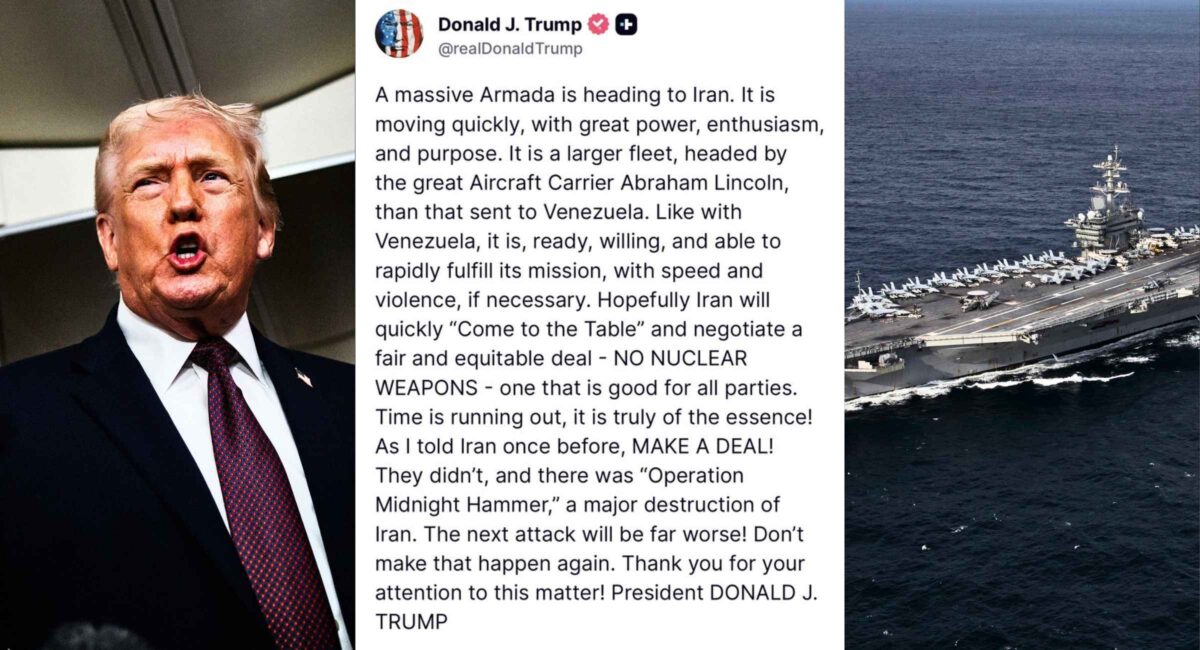
These denials were issued against a backdrop of heightened U.S.–Iran tensions, including recent rhetoric from Washington and Tehran over nuclear negotiations and regional security.
Gas Infrastructure: Why Officials Say Accidents Occurred
Iran has long faced challenges with older gas distribution systems in both urban and residential areas. While investigations are ongoing, repeated incidents in different cities occurring on the same day have raised questions internally — though no verified evidence suggests deliberate sabotage.
Both local administrations in Bandar Abbas and Ahvaz point to gas buildup or pipeline leaks as the most plausible cause, pending further forensic investigation by civil and fire authorities.
Context: Political and Security Background
Rising Tensions with the United States
The January 2026 explosions happened while diplomatic and military tensions between Iran and the United States remain high — particularly over Iran’s nuclear trajectory and domestic unrest following months of protests. U.S. officials have reiterated warnings to Tehran against escalating threats in strategic waterways like the Strait of Hormuz.
Protests and Internal Strain
While unrelated to the gas explosions, widespread protests earlier in January 2026 (linked to political dissent and economic instability) added to the tense atmosphere. These protests have resulted in broad social unrest and have overlapped with government crackdowns.
Why the Explosions Sparked Rumors of Strikes
Timing and Geography
- Bandar Abbas sits atop global oil traffic routes, making any blast there newsworthy beyond Iran’s borders.
- Ahvaz is an industrial hub near international borders, amplifying speculation once simultaneous explosions were reported.
Social Media Amplification
Videos and eyewitness accounts circulating online — some showing military-style uniforms being carried from the blast site — helped fuel rumors of sabotage or targeted attacks. But these claims lack independent verification and contradict official fire department accounts.
Expert Commentary and Independent Observations
While official Iranian sources attribute the explosions to accidental gas infrastructure failures, some independent analysts and social media observers have expressed skepticism, pointing to the unusual coincidence of multiple explosions nationwide on the same day. These observers note:
- The lack of airtight verification from independent foreign correspondents.
- Potential motivations for misinformation during high geopolitically charged periods.
- The pattern of rumors outpacing confirmed facts in conflict zones.
These insights underscore the difficulty of parsing rumor from verified information in fast-moving crises — especially ones that intersect with major global fault lines like the U.S.–Iran rivalry.
Conclusion: What We Know and What We Don’t
Unverified or speculative:
❓ Targeted military strikes — no credible evidence exists.
❓ Intentional sabotage — unconfirmed and remains speculative.
In times of heightened geopolitical stress, rumor can escalate faster than facts. The best way to understand events like the Iran gas explosions is to anchor reporting in verified official accounts while acknowledging where uncertainties remain — and that’s precisely what the confirmed data shows here.