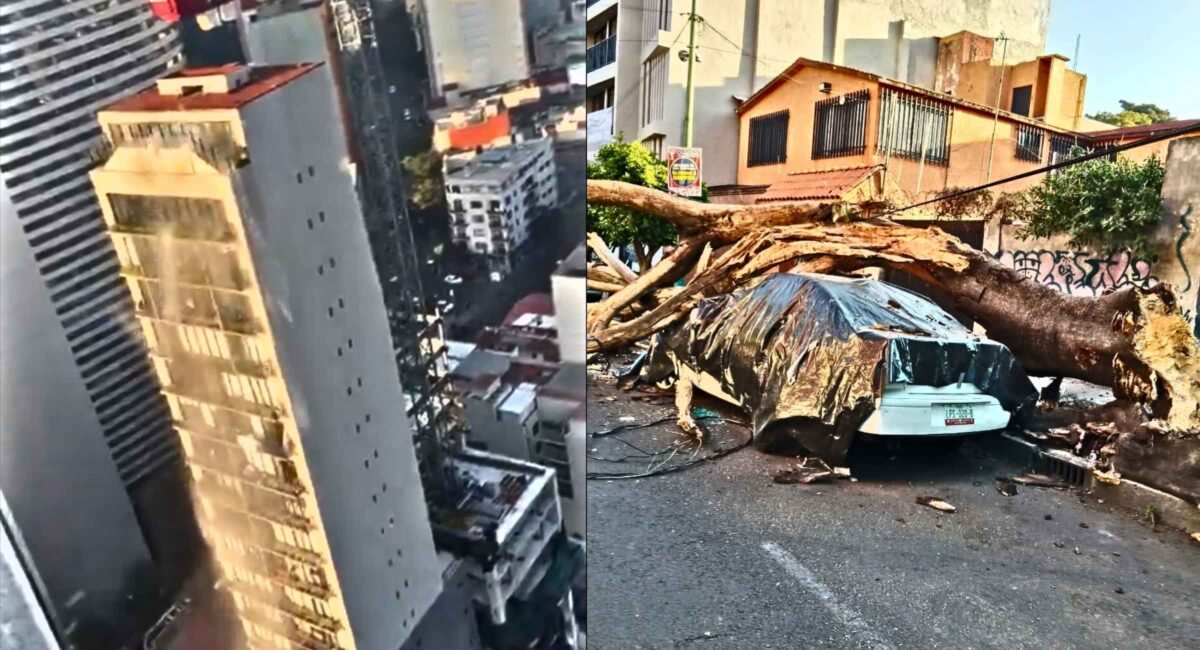
A magnitude 6.5 earthquake struck Mexico on Friday, January 2, 2026, with its epicenter near San Marcos in the southern state of Guerrero, northwest of Acapulco. The powerful tremor was felt across broad swaths of southern and central Mexico, including Mexico City, prompting seismic alarms, mass evacuations from buildings, reports of fatalities and injuries, and numerous aftershocks reported by national agencies.
What Happened & Key Facts
What occurred: At approximately 07:58 a.m. local time (Central Mexico), a magnitude 6.5 earthquake shook southern Mexico. The nation’s Servicio Sismológico Nacional (SSN) placed the epicenter near San Marcos, Guerrero, triggering alerts nationwide and widespread shaking from the Pacific coast to the capital.
Magnitude & Location:
- Magnitude: ~6.5 on the Richter scale (USGS / SSN)
- Epicenter: ~15 km southwest of San Marcos, Guerrero
- Depth: ~10–35 km beneath the surface
- Time: 07:58:15 local time, Jan 2, 2026
Primary impacts so far:
- At least two confirmed deaths, one in Guerrero and another in Mexico City linked to the shaking.
- Multiple injuries reported; structural monitoring and evaluations underway.
- Extensive aftershocks including dozens of smaller quakes immediately following the main event.
- Earthquake alarms and building evacuations occurred across major cities including Mexico City and Acapulco.
Epicenter & Geographical Reach
Ground Zero — San Marcos, Guerrero
The quake originated near San Marcos in Guerrero, part of a region that has recorded frequent seismic activity due to its proximity to major tectonic boundaries off Mexico’s Pacific coast. The landward epicenter — at shallow depth — meant vibrations were transmitted strongly to the surface, increasing perceptibility and structural responses over long distances.
Felt Far Beyond the Epicenter
From Acapulco’s shoreline to the high-rises of Mexico City, residents reported noticeable shaking:
- In Mexico City, the seismic alert system triggered automatic alarms, prompting office and home evacuations.
- Tourists in Acapulco rushed into streets and open areas as buildings swayed.
- The quake’s reach extended to central Mexico and surrounding states.
Human Toll & Confirmed Casualties
Deaths and Injuries
Fatalities:
- A woman in Guerrero died when her home collapsed during the quake.
- Another person in Mexico City died while evacuating a building amid the tremors.
Injuries:
- Multiple people have been reported injured in both Guerrero and Mexico City, with authorities continuing to compile official estimates.
Units from civil defense and emergency services have been activated to assist impacted communities.
Government & Official Responses
National Alerts and Presidential Response
President Claudia Sheinbaum’s New Year press briefing was temporarily interrupted as alarms sounded, underscoring the quake’s intensity in the capital. Authorities reported premature evacuations but no immediate report of widespread building collapses.
Federal and state disaster response teams — including Protección Civil and the SSN — are engaged in assessment, monitoring, and aftershock tracking.
Emergency Measures & Alerts
- Seismic alert systems (SASMEX) triggered warnings giving residents time to seek safety.
- Protocols for structural checks and public safety inspections are underway.
Aftershocks and Ongoing Seismic Activity
Earthquakes of this magnitude typically spawn numerous aftershocks — and that pattern is already emerging in Guerrero. According to SSN reports, over 150 aftershocks have been recorded within hours of the main shock, including several with magnitudes above 4.0.
Authorities warn that buildings compromised by the main quake may be more vulnerable to subsequent shaking, emphasizing continued alertness and safety precautions.
Why Mexico Is Seismically Active
Mexico sits atop complex tectonic boundaries, primarily where the Cocos Plate subducts beneath the North American Plate along the Middle American Trench — a prime source of seismicity. Guerrero, in particular, is part of this dynamic zone that historically produces strong earthquakes and associated hazards like landslides.
Cities like Mexico City are especially susceptible to shaking due to soft lakebed sediments that can amplify ground motion, increasing perceived intensity even far from the epicenter.
Local Conditions and Reported Effects
Structural and Surface Impacts
Authorities have reported:
- Minor landslides and road disruptions around Acapulco and Guerrero highlands.
- No immediate widespread infrastructure collapse confirmed, but evaluations are ongoing.
Community and Public Reaction
Videos circulating on social media show seismic alarms, building sways, and residents evacuating to streets and open spaces — a mix of concern and preparedness.
Safety Guidance and Public Instructions
If you’re in an affected area:
- Move to open spaces away from buildings or glass.
- Follow local authority instructions on evacuation and shelter.
- Expect aftershocks — these can sometimes be strong and should be anticipated.
- Check in with loved ones when safe to do so.
Earthquake preparedness remains a core public safety priority in seismic countries like Mexico.
Conclusion — Strong Tremor, Maintaining Vigilance
The 6.5 magnitude earthquake that struck Guerrero on January 2, 2026, is one of the more powerful events recorded in this region in recent years, and its widespread shaking — from the Pacific coast to Mexico City — underscores both the strength of the event and the critical value of Mexico’s seismic alert systems.
While fatalities have been confirmed and aftershocks continue, early reports suggest no catastrophic infrastructure failures — a testament, in part, to improvements in building codes and public awareness since past major quakes.
This incident serves as an urgent reminder of the importance of seismic preparedness in one of the most earthquake-prone regions of the world. Immediate priorities now remain focused on rescue, assessment, and community safety as authorities track aftershocks and evaluate impacts into the day.