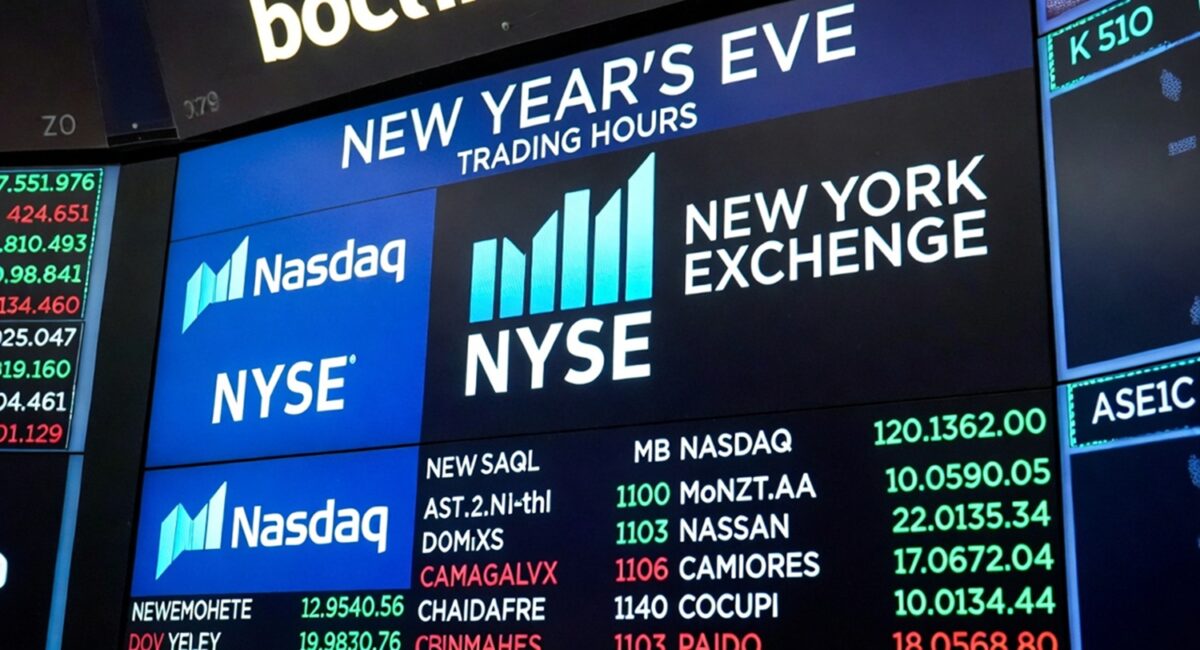
Yes — the U.S. stock market will be open on New Year’s Eve, Wednesday, December 31, 2025. The New York Stock Exchange (NYSE) and Nasdaq will operate during their standard trading session (9:30 a.m. to 4:00 p.m. Eastern Time), giving investors a full trading day to adjust portfolios before the year closes. However, bond markets typically close early (around 2:00 p.m. ET) on that day, ahead of the New Year holiday. On New Year’s Day (Thursday, January 1, 2026), both stock and bond markets will be completely closed.
If you’re planning to trade or rebalance before the calendar flips to 2026 — especially for tax-loss harvesting or positioning — plan for a normal full trading session on Dec. 31 followed by a complete holiday on Jan. 1.
Why It Matters: Understanding Market Hours During the Holidays
Even seasoned investors can get tripped up by holiday schedules. Market hours affect liquidity, volatility, and settlement timing — especially at year-end. Knowing whether the market is open on New Year’s Eve helps you avoid unintended missed trades or settlement slip-ups.
Most major U.S. exchanges observe regular trading hours unless a holiday calendar dictates otherwise. New Year’s Eve isn’t a federal holiday, and in 2025 it falls on a weekday (Wednesday) — which means full trading hours.
U.S. Stock Market Trading Hours on New Year’s Eve 2025
NYSE & Nasdaq – Equity Markets
- Date: Wednesday, December 31, 2025
- Open: 9:30 a.m. ET
- Close: 4:00 p.m. ET
- Status: Open — Normal hours
This schedule applies to both the NYSE and Nasdaq. Pre-market and after-hours sessions are typically available depending on your broker, but main trading runs until 4:00 p.m. ET.
What About Bond Markets?
Bond markets operate on a slightly different schedule:
- On New Year’s Eve, fixed-income markets like U.S. Treasuries usually close early, often around 2:00 p.m. ET.
- This early closure provides traders time to settle positions and is recommended by the Securities Industry and Financial Markets Association (SIFMA).
This means that while stocks trade normally until 4:00 p.m., the bond market’s hours are truncated, which can impact liquidity in interest-rate products and related ETFs late in the session.
New Year’s Day and Beyond
After New Year’s Eve:
- Thursday, January 1, 2026 — Closed:
All U.S. stock and bond markets are closed on New Year’s Day as it’s a federal holiday. - Friday, January 2, 2026 — Regular Trading:
Markets reopen with standard hours: 9:30 a.m. to 4:00 p.m. ET.
Why the Schedules Are Set This Way
Not a Market Holiday
New Year’s Eve isn’t designated as a federal market holiday in the U.S., unlike Christmas Day or New Year’s Day itself. That’s why exchanges keep their regular hours.
Consistency for Traders
Maintaining full trading hours on Dec. 31 helps investors finalize trades before year-end — including adjustments for tax purposes, closing out positions, or reallocating assets for the upcoming year.
Liquidity Considerations
Volumes are often lighter late in December and during holiday weeks. But having a full session on New Year’s Eve gives institutional and retail traders a complete window to operate before markets close for New Year’s Day.
What This Means for Investors
1. Plan Your Year-End Moves
If you’re adjusting your portfolio to realize gains or losses for 2025, Dec. 31’s normal session gives you until 4:00 p.m. ET to place trades under typical market conditions.
2. Watch Bond Liquidity
If your strategy involves bonds, be mindful that prices and liquidity can shift more sharply after the bond market’s early close (around 2:00 p.m. ET).
3. Holidays Mean Less News Flow
Economic data releases and corporate news are sparse around year-end, so markets may react differently to individual stock headlines or earnings surprises.
Frequently Asked Questions (FAQs)
No. In 2025, Dec. 31 falls on a Wednesday, and the stock market is open for a full trading day (9:30 a.m.–4:00 p.m. ET).
Not for equities. Bonds may close early (often at 2:00 p.m. ET).
Yes. While primary trading ends at 4:00 p.m. ET, many brokers offer after-hours sessions with lower liquidity and wider spreads.
No. Jan. 1 is a holiday for U.S. exchanges, and markets remain closed all day.
Conclusion — What Every Trader Should Know
For New Year’s Eve 2025, the U.S. stock market is open for a complete regular session, making it a key date for end-of-year trading activity. The NYSE and Nasdaq will operate from 9:30 a.m. to 4:00 p.m. ET, providing a final chance to execute strategies before the new year. Meanwhile, bond markets generally close early, and all markets shut down on New Year’s Day 2026.
From a trading and planning perspective, this schedule gives investors both clarity and opportunity: full equity access on Dec. 31, followed by a clean holiday break on Jan. 1. If you’re thinking about year-end tax planning or portfolio rebalancing, build your orders with these times in mind.