On January 24, 2026, 37-year-old Alex Jeffrey Pretti, an ICU nurse and lawful gun owner, was fatally shot by a U.S. Border Patrol agent in Minneapolis during a federal immigration enforcement operation, an incident that triggered large protests, widespread condemnation from Minnesota officials, and national debate over federal law enforcement tactics. Federal authorities say Pretti approached them with a handgun and resisted disarmament, while multiple bystander videos and family statements contradict elements of that narrative.
Key Verified Facts
- Alex Jeffrey Pretti (age 37) was shot and killed by a federal immigration agent on January 24, 2026, in Minneapolis.
- He was an ICU nurse at the Minneapolis VA hospital with no significant criminal record.
- Federal officials claimed he approached with a handgun, a point contested by multiple eyewitness videos.
- The shooting sparked mass protests and official condemnation from Minnesota leaders.
What Happened in Minneapolis
On the morning of January 24, 2026, federal immigration agents — primarily from the U.S. Border Patrol and ICE (Immigration and Customs Enforcement) — were conducting an enforcement operation near Nicollet Avenue and West 26th Street in south Minneapolis when a confrontation occurred involving Alex Jeffrey Pretti.
- Federal account: DHS officials reported that Pretti “approached” agents with a 9 mm handgun during the operation, resisted orders to disarm, and that an agent fired defensive shots.
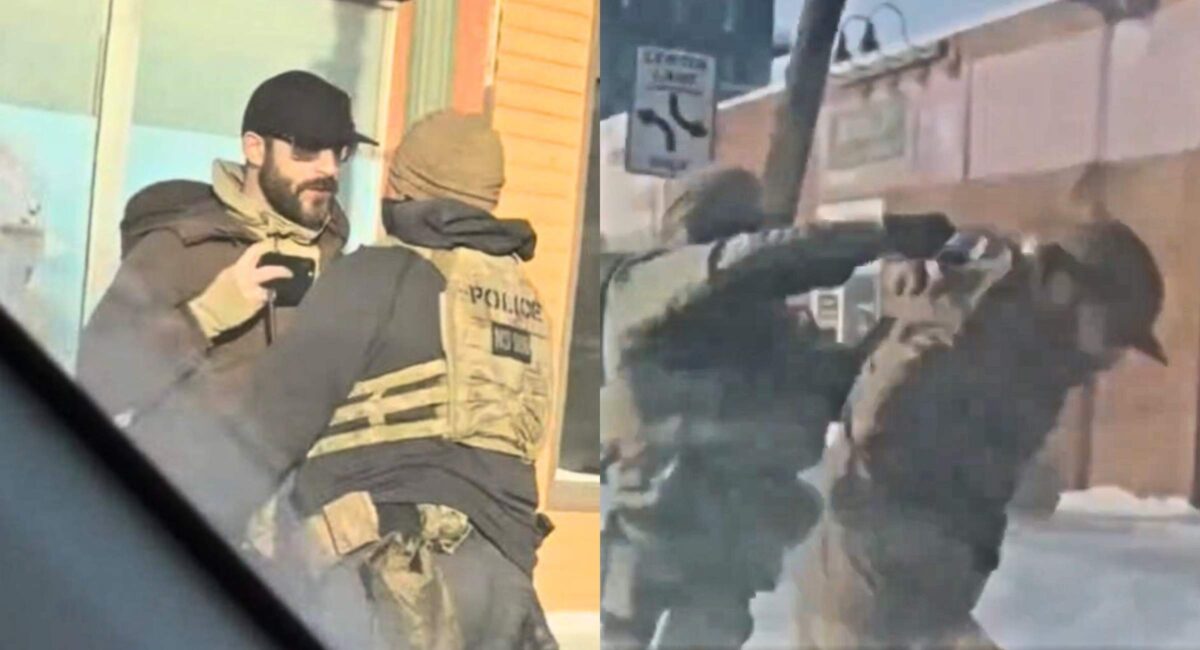
- Video and eyewitness reports: Multiple clips show Pretti holding a phone and filming, attempting to help a woman who had been pushed to the ground, and then being pepper-sprayed and wrestled to the pavement by a group of agents. Video footage does not clearly show him brandishing or firing a weapon prior to the shooting.*
Pretti was struck by multiple shots during the struggle and later pronounced dead.
This was the second fatal shooting by federal agents in Minneapolis this month, following the January 7 killing of Renée Good, and followed another nonfatal federal-agent shooting earlier in January.
Who Was Alex Jeffrey Pretti?
Pretti’s family and colleagues describe him as a 37-year-old intensive care unit (ICU) nurse at the Minneapolis VA Health Care System, a compassionate caregiver dedicated to veterans’ health, and a lawful gun owner with no significant criminal history.
- He graduated from the University of Minnesota and had a reputation for dedication to his patients, coworkers, and community.
- Family and friends say he was concerned about the impact of federal immigration raids and had participated in peaceful protests.
- His parents publicly refuted claims that he was threatening officers, asserting he held only his phone and was trying to assist someone else when agents turned on him.
Conflicting Accounts: DHS vs. Witnesses and Family
Federal Officials’ Version
According to Department of Homeland Security (DHS) statements:
- Agents were conducting a targeted operation when Pretti allegedly approached them with a handgun.
- Agents attempted to disarm him, and one agent fired out of perceived necessity to protect safety.
- DHS shared photos and descriptions of a handgun and two magazines recovered at the scene.
Eyewitness and Video Evidence
Independent footage and dozens of bystander accounts paint a different picture:
- Video shows Pretti with a phone at first, not a weapon, and stepping forward to assist a woman who had been shoved.
- Several bystanders observed federal agents forcing him to the ground, wrestling him, and then multiple shots being fired while he was restrained or disoriented.
- Family members and local neighbors say video does not show Pretti brandishing or threatening anyone before lethal force was used.
This gap between official accounts and video evidence has become central to public debate and calls for a transparent, independent investigation.
Minnesota Officials’ Reactions and Protests
The shooting sparked immediate and intense reactions from local leaders and the public:
- Gov. Tim Walz condemned the shooting and called on federal agents to withdraw from Minneapolis operations, criticizing what he described as excessive use of force.
- Thousands of protesters gathered in frigid conditions to denounce federal enforcement tactics and demand justice for Pretti and previous victims.
- Minneapolis Police Chief Brian O’Hara confirmed Pretti was a lawful gun owner and expressed frustration over limited access for local investigators to the shooting scene.
- National Guard units were activated to assist local law enforcement as demonstrations intensified.
Multiple Democratic lawmakers, including Senators Amy Klobuchar and Tina Smith, issued statements calling for federal immigration agents to pull back from Minneapolis and respect local authority — an unprecedented clash between federal and state officials.
National Security and Policy Implications
This incident has broader implications beyond Minneapolis:
- It raises questions about federal jurisdiction versus local oversight during immigration enforcement.
- It may influence national debate over the powers and accountability of agencies like ICE and Border Patrol, particularly regarding use of lethal force in civilian settings.
- Legislators at the federal level are already discussing restrictions on DHS funding and oversight mandates.
Civil rights groups, legal scholars, and advocacy organizations are calling for independent investigations, body-cam release policies, and clearer federal standards for engagement to prevent escalations that end in loss of life.
Legacy and Mourning
Pretti’s coworkers and community members describe him as a generous, dedicated nurse whose life was devoted to human care:
“Alex wasn’t just an ICU nurse — he was the kind of person who tried to uplift everyone around him,” said a colleague. His dedication to veterans and his calm presence at the bedside made a real difference in many lives.
Friends, family, and protesters have held vigils and memorials in his honor, emphasizing both grief and outrage at the circumstances of his death.
What Comes Next: Investigations and Accountability
As of now:
- A federal investigation is underway, led by DHS and likely involving the Department of Justice.
- Minnesota local authorities have demanded access to the crime scene to conduct parallel investigations, but access has been restricted by federal agents — a move that has triggered legal challenges.
- Pressing questions remain about whether Pretti was a threat, whether force was justified, and how policy should govern such encounters in civilian protest zones.
Families of victims shot in law enforcement encounters often pursue civil litigation and federal civil rights complaints, and community organizers are already mobilizing legal teams.
Conclusion: A Moment of Reckoning
The ICE shooting in Minneapolis that killed Alex Jeffrey Pretti is more than a tragic death; it is a flashpoint in national conversations about law enforcement authority, civil liberties, and how deeply polarized policy clashes play out on the streets of American cities.
Pretti’s death has galvanized protest and policy critique in Minnesota and beyond. As video evidence, official statements, and public advocacy collide, the narrative around this event will shape how communities — and lawmakers — confront federal enforcement actions.
Editorial Opinion: In my years covering law enforcement and community responses, rarely has an incident so clearly highlighted the tension between public safety operations and civil liberties protections. How authorities justify force, how transparency is enforced, and how justice is delivered will determine not just the legacy of Alex Pretti’s death, but the broader trust between citizens and federal power in the United States.
Live Ongoing Coverage
Watch major outlets and local authorities for updates — this is an evolving story with new developments expected as investigations proceed.