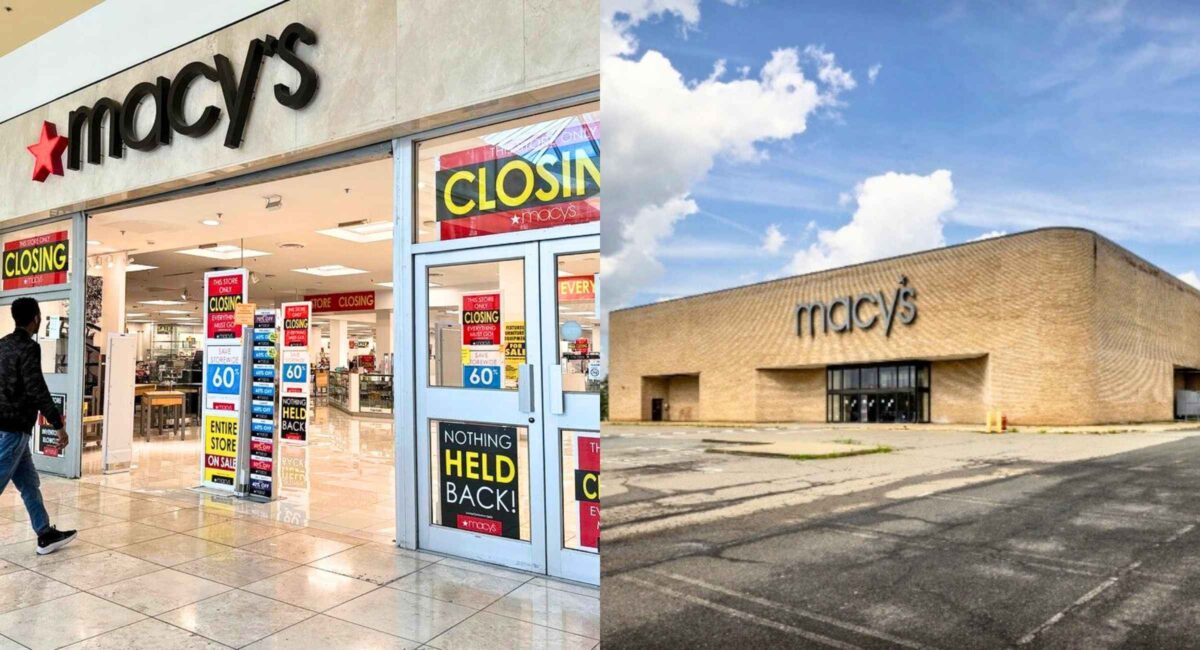
Macy’s, Inc. has officially announced the closure of 14 additional stores nationwide in early 2026, as part of its multi-year restructuring strategy dubbed “A Bold New Chapter.” This latest round of closures is a continuation of Macy’s ongoing effort to streamline its brick-and-mortar footprint and focus investment on its best-performing stores and digital channels, even as the company reports pockets of improved sales performance. The closures come amid a wider plan — first revealed in February 2024 — to shutter roughly 150 underperforming stores by the end of 2026 while enhancing the in-store experience at the remaining locations. Clearance and liquidation sales at the affected stores are expected to begin in mid-January 2026 and continue for about 10 weeks as Macy’s winds down operations at these sites.
Included in this newest list are stores spread across 12 states, reflecting Macy’s broad geographic reach and the uneven performance of certain regional locations. While Macy’s continues to invest in luxury banners like Bloomingdale’s and beauty brands such as Bluemercury, the department store chain says these closures will allow it to allocate resources more efficiently, bolstering long-term profitability and customer experience improvements in core markets. Macy’s leadership also emphasized support measures for impacted employees, including transfer opportunities and severance where applicable.
Which Macy’s Stores Are Closing in 2026
The full list of Macy’s locations set to close includes:
- California: Grossmont Center (La Mesa), West Valley Mall (Tracy)
- Georgia: Macy’s at Northlake Mall (Atlanta)
- Maryland: Marley Station Mall (Glen Burnie)
- Michigan: Rivertown Crossings (Grandville)
- Minnesota: Crossroads Center (St. Cloud)
- New Hampshire: Fox Run (Newington)
- New Jersey: Livingston Mall (Livingston), Interstate Shopping Center (Ramsey)
- New York: Boulevard Mall (Amherst)
- North Carolina: Triangle Town Center (Raleigh)
- Pennsylvania: Pittsburgh Mills (Tarentum)
- Texas: La Palmera Mall (Corpus Christi)
- Washington: Budget House / Clearance Center (Tukwila)
These 14 closures reflect a targeted culling of stores that Macy’s has identified as underproductive versus the company’s go-forward portfolio. The affected properties represent a mix of traditional mall anchor locations and stand-alone stores in suburban retail centers.
Why Macy’s Is Closing Stores — Strategic Shift Explained
The closures are rooted in Macy’s broader “Bold New Chapter” initiative, unveiled in early 2024, which aims to reposition the century-old retailer for sustainable profitability in a retail environment reshaped by e-commerce competition and shifting consumer habits. Under this strategy, Macy’s plans to:
- Close approximately 150 underperforming stores between 2024 and 2026.
- Reinvest in roughly 350 “go-forward” locations with updated merchandising and improved customer experiences.
- Expand luxury and specialty formats, including Bloomingdale’s and Bluemercury stores.
- Enhance digital sales capabilities and omni-channel fulfillment.
CEO Tony Spring has emphasized that while store closures are difficult, concentrating resources on the most promising areas of the business is critical for long-term success. In internal communications, Macy’s leadership has also highlighted early positive results from remodeled stores within the go-forward fleet, pointing to modest comparable sales growth as evidence that its focused approach is beginning to yield results.
What Shoppers and Employees Should Expect
Customers in the communities affected by the closures will begin seeing liquidation sales and significant markdowns starting in mid-January, as Macy’s prepares to close the doors of these stores permanently. These sales — usually lasting about 10 weeks — are designed to clear out existing inventory ahead of closure.
For employees at those locations, Macy’s has indicated that transfer opportunities, severance packages, and support services will be offered where feasible. The company likened this phase of downsizing to a necessary albeit challenging adjustment in response to broader structural changes in retail, particularly the continued shift toward online shopping and demand for curated in-store experiences.
While this round of closures represents just a fraction of the overall store network, it underscores a broader trend of department store retrenchment in the U.S., as legacy brands adapt to changing economic realities and competitive pressures.