In one of the most explosive law-enforcement confrontations in Minneapolis in years, 37-year-old Renee Nicole Good was fatally shot by an ICE (U.S. Immigration and Customs Enforcement) agent during a federal enforcement operation on Wednesday, January 7, 2026, sending shockwaves through the city, prompting demands from local leaders that ICE agents exit Minneapolis immediately, and igniting widespread protests and vigils.
Summary — What Happened
- Who was killed: Renee Nicole Good, 37, a U.S. citizen and mother of three.
- Where: South Minneapolis, near East 34th Street and Portland Avenue.
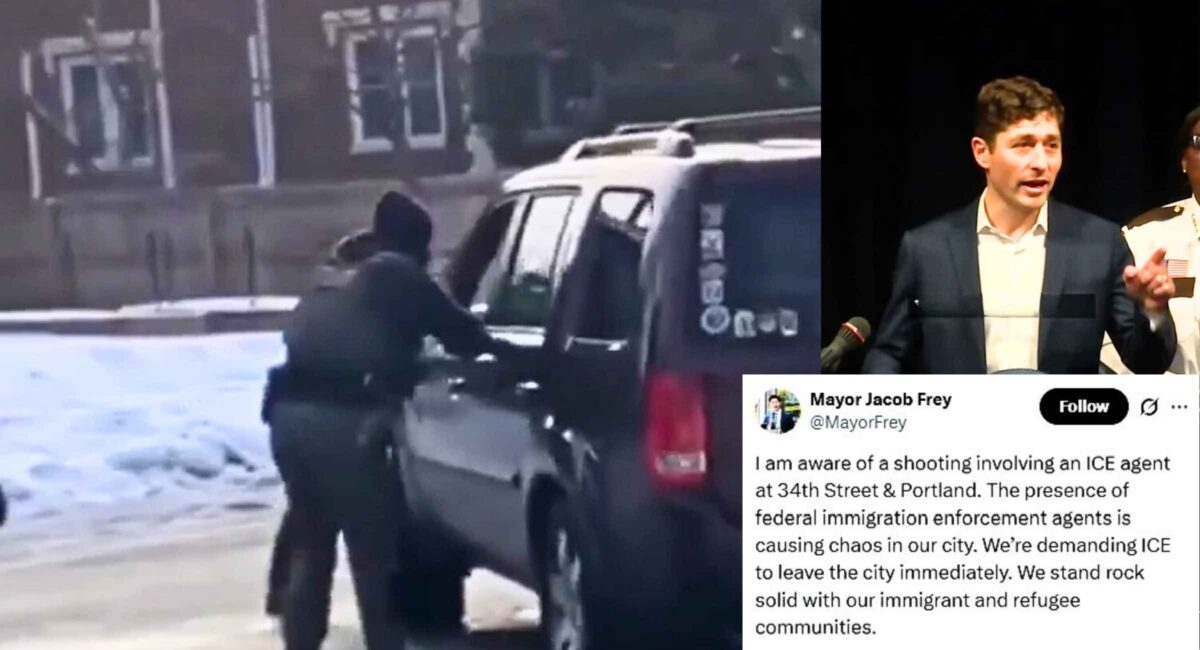
- What occurred: During an ongoing ICE enforcement action, video footage shows federal agents confronting Good’s SUV; when she apparently attempted to drive away, at least one ICE agent fired multiple shots into the vehicle, striking her.
- Immediate response: Good was later pronounced dead. Local officials dispute the federal claim of self-defense and are demanding ICE exit the city.
- Public response: Hundreds to thousands gathered for spontaneous vigils and protests, with chants, calls for justice, and an ongoing debate over federal enforcement tactics.
What the Videos and Eyewitness Accounts Show
Multiple videos circulating online — validated by outlets like ABC and Minnesota public radio — depict a maroon SUV (later identified as Good’s vehicle) stopped on a Minneapolis street amid heavy federal presence. An ICE officer approaches on foot. Moments later, the officer discharges his firearm into the SUV at extremely close range as the vehicle moves slightly forward.
Eyewitnesses — including bystanders near the scene — told reporters that Good’s vehicle appeared to be trying to pull away from the agents, not run them down, contradicting early federal assertions.
Protesters later at the scene said the shooting seemed unjustified, with some witnesses reporting agents did not allow immediate medical aid.
Who Was Renee Nicole Good?
Though national coverage initially identified only her first name, Good has since been definitively identified as Renee Nicole Macklin Good, a 37-year-old Minneapolis resident, originally from Colorado, described by family and friends as compassionate, creative, and deeply engaged in her community.
Her mother, Donna Ganger, told the Star Tribune that Renee was “one of the kindest people I’ve ever known” and was “probably terrified” when the incident occurred, not involved in protests or obstruction.
Good leaves behind three children, including a young son who is now orphaned after already losing his father years earlier.
Federal Narrative vs. Local Officials
Federal Government’s Position
The Department of Homeland Security (DHS) and ICE have maintained that:
- Good’s vehicle attempted to “weaponize” itself against officers and that the shooting was in self-defense.
- Homeland Security Secretary Kristi Noem described the act as akin to “domestic terrorism.”
President Donald Trump echoed this narrative, alleging Good “ran over” an officer and that the former agitator was disorderly.
Local Leaders and Officials
Minneapolis officials have flatly rejected this characterization:
- Mayor Jacob Frey viewed the video himself and called the federal depiction “bullst/garbage narrative,” demanding ICE leave Minneapolis immediately.
- City Council members issued a joint statement saying Good was “out caring for her neighbors” and called the incident a tragedy caused by federal overreach.
- Minnesota Governor Tim Walz publicly stated the state “does not need any further help from the federal government.”
These leaders stress that what should have been a routine enforcement action turned deadly, and they have urged transparency and independent review.
Growing Protests, Vigils, and Public Outcry
Community Response
- Vigils quickly emerged, with hundreds to thousands of community members gathering at the site where Good was shot.
- Protesters chanted for ICE to leave and for justice for Good, with some clashes reported between demonstrators and law enforcement.
- Many mourners carried flowers, signs, and candles, turning the spot of her death into an impromptu memorial.
Political Pressure and Debate
- Minnesota Democrats — including U.S. Senator Tina Smith — publicly called for ICE’s withdrawal “now for everyone’s safety.”
- Critics argue that heavy federal immigration enforcement in Minneapolis has escalated tensions unnecessarily, increasing risk to both residents and law enforcement.
- Conservative critics have defended the federal action, blaming sanctuary policies and local government rhetoric.
What Happens Next: Investigations and Legal Questions
- A criminal investigation into the agent’s actions is underway, with Minnesota prosecutors noting they have jurisdiction to bring charges if warranted.
- It remains unclear whether the agent will be identified publicly or face state charges; federal reviews are also expected.
- Civil rights and immigration advocacy groups are already calling for independent oversight and accountability.
Editorial Context — Why This Matters
In the current climate of intensified federal immigration enforcement, incidents like this don’t occur in a vacuum. Minneapolis — still grappling with the legacy of George Floyd’s murder and long-standing tensions between communities and law enforcement — has become a flashpoint in the national debate over how the U.S. enforces immigration law.
This tragedy is adding fuel to arguments from both sides:
- Supporters of ICE and federal enforcement argue that agents must have the authority to protect themselves and execute laws.
- Critics, however, point to what they see as a pattern of excessive force and lack of accountability, particularly when enforcement intersects with community members who are simply present or observing.
Conclusion — What We Know, and Why It Matters
Renee Nicole Good’s death marks a deeply contentious moment in Minneapolis and national immigration discourse. Verified reporting confirms she was an unarmed U.S. citizen and mother shot by federal law enforcement amid an enforcement action. Local authorities and community members reject federal self-defense claims, demanding transparency, accountability, and the removal of ICE agents from the city. Vigils and protests reflect a community in mourning and a nation sharply divided on immigration enforcement practices.
As investigations continue, the key questions will be: what truly happened in those critical seconds, whether current enforcement policies need reform, and how cities can balance federal authority with community safety and trust.