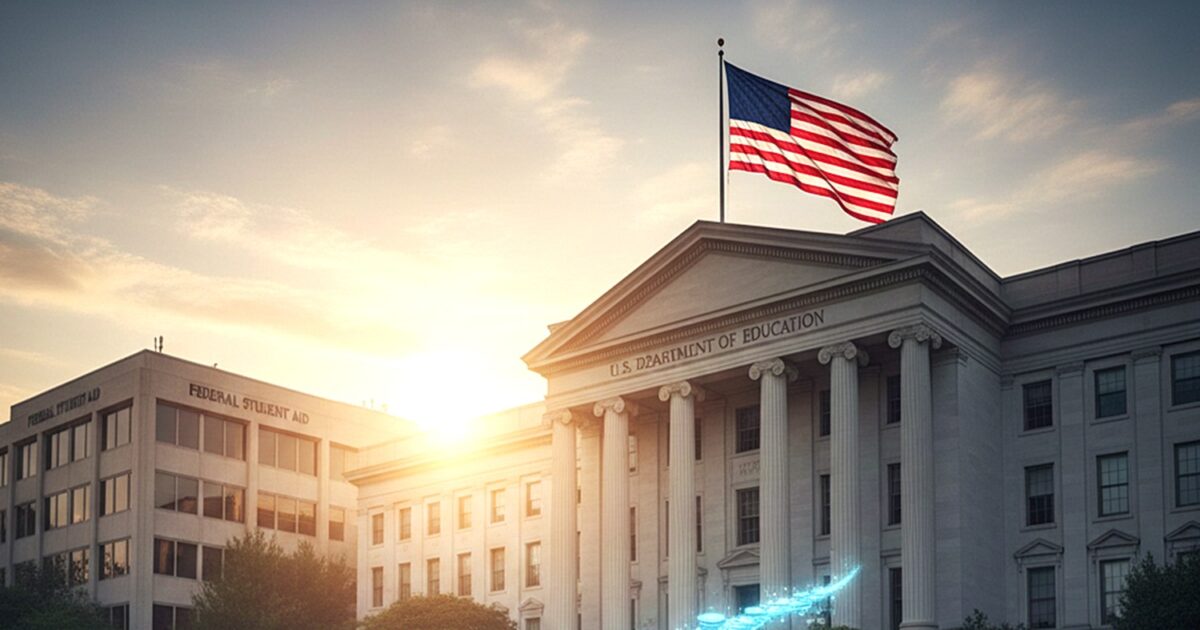
The landscape of student loan debt in 2026 is undergoing major shifts that will affect millions of Americans with outstanding federal loans. After years of pauses and policy changes under previous administrations, the U.S. Department of Education is set to resume involuntary collections, including wage garnishment for borrowers in default starting in January 2026, beginning with notices to defaulted borrowers and expanding further throughout the year. This move ends a period in which collections were paused or limited — including tax refund offsets and Social Security benefit seizures — following temporary relief measures during the pandemic and subsequent policy delays. Advocates argue that garnishing wages amid stagnant wages and financial insecurity could create hardship for those already struggling to make ends meet.
Another seismic change for student loan debt in 2026 concerns loan forgiveness and taxation. A temporary federal rule that allowed student loan forgiveness to be tax-free is set to expire at the end of 2025, meaning that any federal loan forgiveness granted in 2026 or later will generally be considered taxable income, unless it qualifies under specific exceptions like Public Service Loan Forgiveness (PSLF). Borrowers who met forgiveness requirements prior to the end of 2025 — but whose discharges are processed in 2026 — may still escape federal tax on their forgiven amounts, but those reaching forgiveness thresholds this year will likely receive a 1099-C form and owe federal income tax. This shift could significantly increase financial burdens for borrowers who anticipated debt relief without tax consequences.
Beyond collections and taxes, 2026 will usher in new repayment and loan structures under the “One Big Beautiful Bill Act”, a sweeping law enacted in 2025 that reshapes federal student loan programs. Effective July 1, 2026, all new borrowers will be placed into a consolidated repayment framework that includes a standard repayment plan and a new income-based “Repayment Assistance Plan” (RAP), replacing the multiple existing income-driven options. While RAP keeps income-based monthly payments, it also mandates a minimum $10 monthly payment and eliminates the possibility of $0 payments for many low-income borrowers, potentially increasing costs for some and altering how relief is structured. The law also institutes borrowing caps — particularly curbing Parent PLUS and Grad PLUS loans — which experts warn may shift some students toward higher-cost private loans.
The overhaul also affects the Public Service Loan Forgiveness program. A new rule scheduled for July 2026 gives the Education Department authority to exclude nonprofit workers from PSLF eligibility if their organization’s work is deemed “illegal,” a change that has already sparked legal challenges from advocacy groups. This introduces new uncertainty for public-service borrowers relying on PSLF’s promise of debt cancellation after 10 years of qualified payments.
These developments come at a time when more than $1.6 trillion in student loan debt is outstanding in the U.S., with tens of millions of borrowers working to manage repayments, avoid default, or qualify for relief — and many still experiencing delays and confusion due to shifting policies and processing backlogs. The return of garnishment, the taxation of forgiveness, and the introduction of new repayment rules mark a significant turning point in how student loan debt will impact household finances and long-term economic outcomes for borrowers in 2026 and beyond.