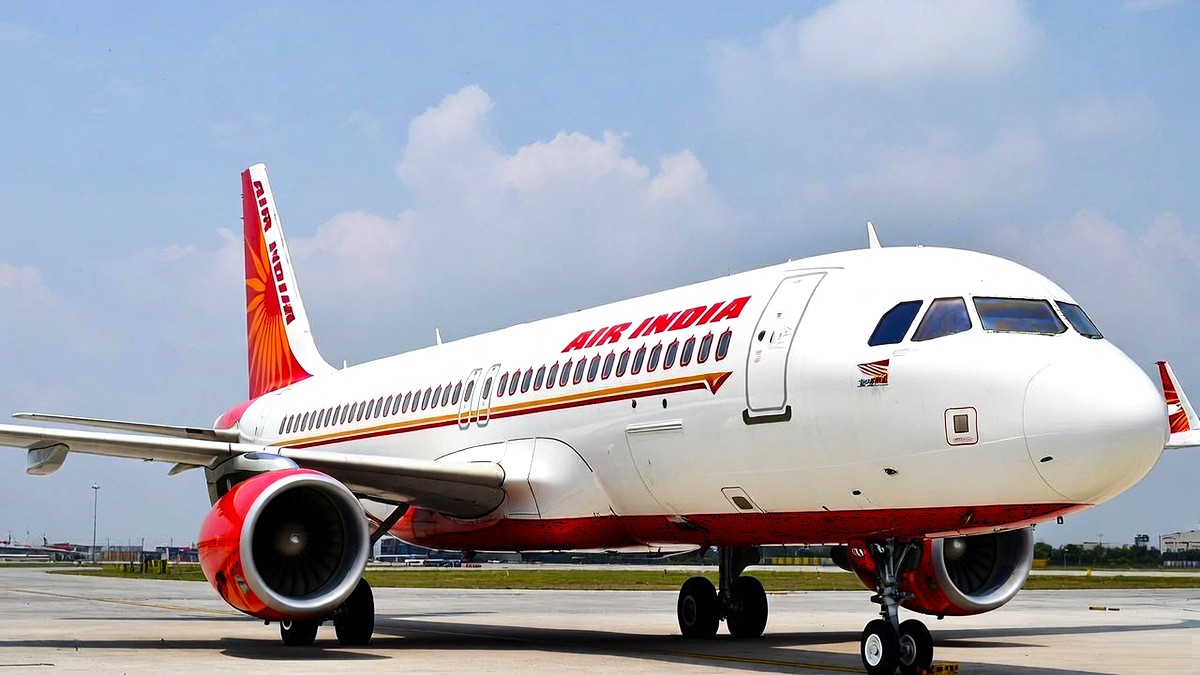
The Air India A320 was grounded after it emerged that the aircraft had flown eight times on November 24–25 with an expired airworthiness review certificate (ARC) — a serious breach. The DGCA (Indian civil-aviation regulator) has launched a probe, suspended involved staff, and ordered an immediate grounding.
Key Takeaways
- The A320 flew eight commercial flights despite its ARC having expired — that certificate confirms the aircraft is safe and airworthy.
- The DGCA has grounded the plane, launched an investigation, and de-rostered the responsible personnel.
- The incident adds to safety-oversight concerns for Air India, especially after previous regulatory scrutiny following a major crash earlier this year.
- For passengers: the lapse signals potential systemic failures — but no accident was reported during those flights. Still, regulatory and safety responses will influence future flights.
What Happened — The Facts
The Basic Breach
- The aircraft in question is an Airbus A320, 164-seater, registration VT-TQN.
- Its Airworthiness Review Certificate (ARC) — mandatory for commercial operation — expired while the plane was undergoing maintenance/engine change.
- Despite that, the plane was cleared for service and flew eight separate revenue flights on Nov 24–25.
Discovery and Reaction
- The expiry and the flights happened without detection until an internal audit flagged it on Nov 26.
- Upon discovery, Air India self-reported the breach to DGCA.
- The DGCA grounded the aircraft, de-rosted (suspended) involved staff, and started a formal investigation.
- The airline described the lapse as “regrettable.”
Why It Matters — Bigger Implications
Regulatory & Compliance Risk
Operating a commercial plane without a valid airworthiness certificate is not a minor paperwork issue. It undermines the legal foundation that confirms regular maintenance, safety standards, and fitness to fly. Under aviation norms, such a lapse is a Level-1 safety violation, one of the most serious categories.
This incident could expose Air India to heavy regulatory penalties, insurance complications, and reputational damage. Lessors and insurers may also reconsider risk exposure when leasing or covering aircraft.
Systemic Safety Oversight Questioned
This isn’t the first time safety procedures at Air India have come under scrutiny. Previous instances — including missed maintenance checks, delayed inspections, and a major crash earlier this year — had already triggered warnings by DGCA.
The A320-ARC lapse suggests deeper systemic control failures: either in maintenance scheduling, record management or oversight during fleet integration (the plane earlier belonged to Vistara before merger).
Passenger Trust & Safety Perception
Even if no incident occurred on those eight flights, the truth that an “un-certified” plane carried passengers will shake public confidence. For many flyers, that’s enough to question whether airlines reliably uphold safety protocols — even when regulators are involved.
Frequent travellers may start paying more attention to aircraft registration, service history, or demand firmer assurances from airlines and regulators.
What Passengers Should Know — What You Can Do
- Flight may eventually be safe, but documentation matters. A valid ARC confirms the aircraft passed rigorous maintenance and inspection. Without it, you lose that assurance.
- Check aircraft history if possible. Use flight-tracking sites or apps to see if the plane you’re flying recently had any safety-compliance issues.
- Demand transparency. If you fly with an airline, ask whether the aircraft has current airworthiness certification. Airlines should be able to provide that info.
- Be alert if delays or schedule changes occur unexpectedly, especially for A320-family aircraft in India — regulators like DGCA may ground planes at short notice if compliance lapses emerge.
What Caused the Lapse — How It Happened
Based on available information:
- The A320 belonged to Vistara earlier. After the 2024 merger, the first ARC renewal for all Vistara aircraft was shifted to DGCA.
- For this particular plane, renewal application was submitted — but flight was grounded for engine change. During that maintenance period, the ARC expired. Despite that, after engine change the aircraft was released to fly again — wrongly.
- Apparently, internal coordination failed: maintenance teams cleared the aircraft without verifying the certificate status; quality / compliance checks skipped or missed. The internal audit later discovered the lapse.
This indicates flawed processes — not just a one-time human error.
What Happens Next — Likely Outcomes
| Outcome / Action | Implication for Air India / Indian Aviation |
|---|---|
| DGCA concludes investigation → Penalties / sanctions (licenses revoked, financial fines, public censure) | Strong blow to Air India’s regulatory standing; may force stricter oversight across fleet |
| Insurance claims complications (planes flown without valid certificate) | Lessors/insurers may demand stricter compliance or withdraw support for high-risk airlines |
| System-wide internal audit at Air India (all aircraft) | Temporary flight disruptions, higher maintenance costs, possible passenger reassurance steps |
| Public & passenger distrust increases | Potential drop in bookings; stronger demand for airline transparency and safety records |
So far, DGCA has grounded the plane and suspended personnel. ARC renewal process has started.
Why It Should Matter to Everyone — Not Just Frequent Flyers
Air travel hinges on layers of trust — the assumption that aircraft are safe, maintained, regulated. When a major carrier like Air India slips up, it introduces doubt.
In a post-merger consolidation phase with heavy fleet turnover, control lapses become more likely. This incident exposes how mergers and reorganisations — without tight oversight — can lead to dangerous gaps.
Regulators, insurers, passengers — all have stakes. A failure in one corner can ripple across the system.
For you as a flyer: expect more transparency, more questions, and possibly stricter regulatory checks before boarding.
FAQs
A: It’s a document verifying that an aircraft has passed required maintenance, inspections, and compliance checks — confirming it is safe and fit to fly. Without a valid ARC, operating flights is illegal under aviation laws.
A: Not necessarily. There’s no evidence of technical failure or accident. But no valid certificate means there was no official guarantee of safety compliance — exposing passengers to unknown risks.
A: Very likely. The incident could trigger stricter audits, insurance reviews, and regulatory pressure. Passengers might also demand greater transparency about aircraft status before flying.