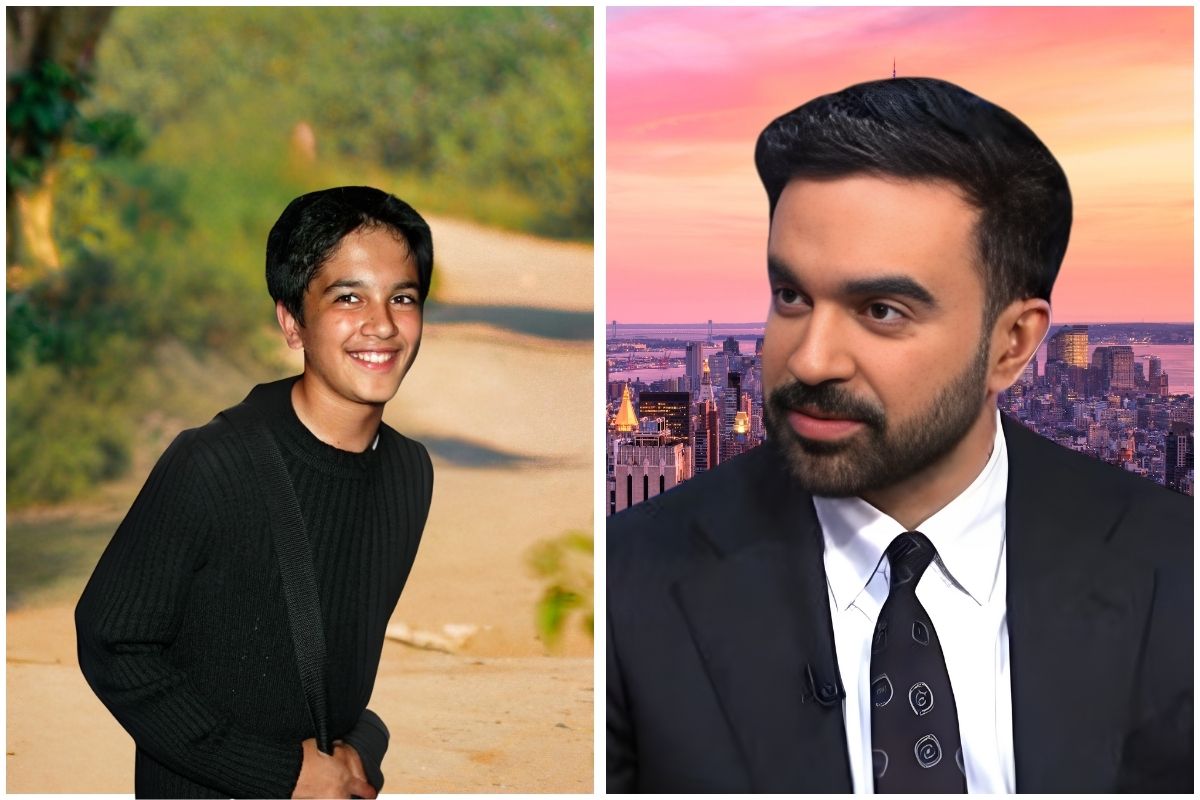
Zohran Mamdani’s ascent to New York City’s mayoralty is the kind of political story that compresses continents and decades into a single headline. The 34-year-old Ugandan-born lawmaker — now the city’s first Muslim and South Asian mayor and its youngest leader in more than a century — won on a platform promising sweeping change: rent freezes, a $30 minimum wage by 2030, fare-free buses and expanded social programs. His victory has been hailed as historic and raises immediate questions about how his personal history will shape governance in the world’s largest city.
From Kampala to Queens: the arc of a childhood and calling
Mamdani was born in Kampala, Uganda, in 1991 and moved with his family to New York at about seven years old, according to his official biography and news profiles. He grew up in the city’s public schools, graduated from the Bronx High School of Science and later studied Africana studies at Bowdoin College — a background mentors say informed his interest in inequality and community organizing. (AP reported; see Mamdani’s legislative biography.)
Former colleagues and mentors in Uganda recall a young man asking sharp questions about who bore the costs of policy and who benefited from power. Those early experiences, observers say, echo in a campaign that framed municipal government as a vehicle to redistribute economic burdens and expand access.
A rapid political rise and a platform that resonated
Mamdani’s political rise was rapid: after serving as a community organizer and then winning a seat in the state assembly, he defeated several more established figures to win the Democratic primary and then the general election. His messaging — targeted heavily to younger voters, renters and immigrant communities — leveraged robust grassroots organizing and social-media outreach that energized demographics often underrepresented at the polls.
His campaign pledges offered immediate, tangible relief for many New Yorkers: a gradual plan to raise the city minimum wage to $30 an hour by 2030, universal childcare, a rent freeze for rent-stabilised units, and free local buses funded through a mix of tax changes and city initiatives. The combination of bold targets and a personal immigrant story helped Mamdani bridge neighborhoods from Queens to the Bronx, Brooklyn and beyond.
Experts weigh in: promise, peril and pragmatic hurdles
Policy analysts and city finance experts say Mamdani’s biography gives him political credibility with constituents who want systemic change — but they caution that translating campaign rhetoric into durable policy will be difficult. “Mamdani’s background as an immigrant and community organizer is central to his mandate,” said a professor of urban policy. “It gives him legitimacy with voters who have long felt overlooked. But governing New York requires coalition building across the state, the MTA, and federal partners — institutions the mayor will have to work with, not simply challenge.” (Commentary based on interviews and expert analysis reported by Reuters and TIME.)
Fiscal experts note major funding questions. Estimates for single initiatives — free buses, a $30 minimum wage — run into the hundreds of millions or more annually. Mamdani has proposed higher corporate taxes and levies on top earners to pay for his agenda, but analysts caution those revenue sources can be volatile and politically contested, especially in Albany and among influential business constituencies. Legal and logistical constraints — such as the split authority over transit between city and state agencies — further complicate rapid implementation.
What Mamdani’s identity and story mean politically
Mamdani’s immigrant background is not merely symbolic; it shapes his political framing. In victory speeches and interviews he has foregrounded immigrant labor — bodega owners, taxi drivers, nurses and small-business workers — as the backbone of the city he intends to govern. That emphasis signals a mayoralty likely to prioritize sanctuary protections, labor rights and expanded social services.
The mayor’s identity also promises to shift national politics: a high-profile immigrant, Muslim mayor in America’s biggest city puts New York at the center of debates over immigration, religious pluralism and urban policy. Supporters describe his election as a corrective to exclusionary rhetoric; critics warn that a confrontational posture toward state or federal authorities could politicize routine governance.
Impact for New Yorkers: tangible benefits and possible trade-offs
For residents, the stakes are concrete. A higher minimum wage would lift incomes for thousands in retail, hospitality and personal services. Free buses could reduce commuting costs for lower-income New Yorkers and improve mobility in neighborhoods poorly served by subway lines. Expanded childcare and affordable grocery initiatives would offer measurable relief to families squeezed by rising costs of living. (Policy proposals and cost estimates cited during the campaign.)
But there are trade-offs. Higher taxes to fund these programs could prompt pushback from businesses and wealthier residents; phased rollouts will test the city’s ability to maintain services without budget shortfalls. Delays in securing cooperation from state agencies or federal funding could limit early victories and fuel political backlash, making the coming months critical for coalition building and pragmatic adjustments.
Looking ahead: governance, coalition building and the first 100 days
Mamdani’s first months in office will likely determine whether his personal narrative can be converted into durable policy achievements. Observers will watch for early signs of compromise and coalition formation: negotiations with Albany over tax authority and transit, outreach to business groups, and the practical mechanics of piloting fare-free bus corridors or wage increases. Early “wins” may build confidence among skeptical constituencies; missteps could energize opposition.
The mayor’s personal journey — from Kampala intern to City Hall — provides a compelling frame for his administration. But history will judge Mamdani not only by the arc of his life story, but by whether he can navigate New York’s dense policy ecosystem to deliver results. For many voters who backed him, the question is simple and immediate: can the mayor whose journey inspired millions now change the city’s trajectory?