The Strait of Hormuz closure is no longer a hypothetical—it’s already disrupting global energy markets. As of late March 2026, tanker traffic has collapsed dramatically (in some cases nearing a standstill), oil prices have surged above $100 per barrel, and U.S. President Donald Trump has issued a hard warning: reopen the strait or face severe military consequences, with an informal deadline around April 6.
What’s Happening Right Now
- Traffic collapse: Maritime transit has dropped sharply—initially ~70%, then in some cases close to zero due to attacks and insurance risks.
- Iran’s control: The Islamic Revolutionary Guard Corps (IRGC) is effectively controlling access, allowing selective passage and reportedly charging up to $2 million per tanker.
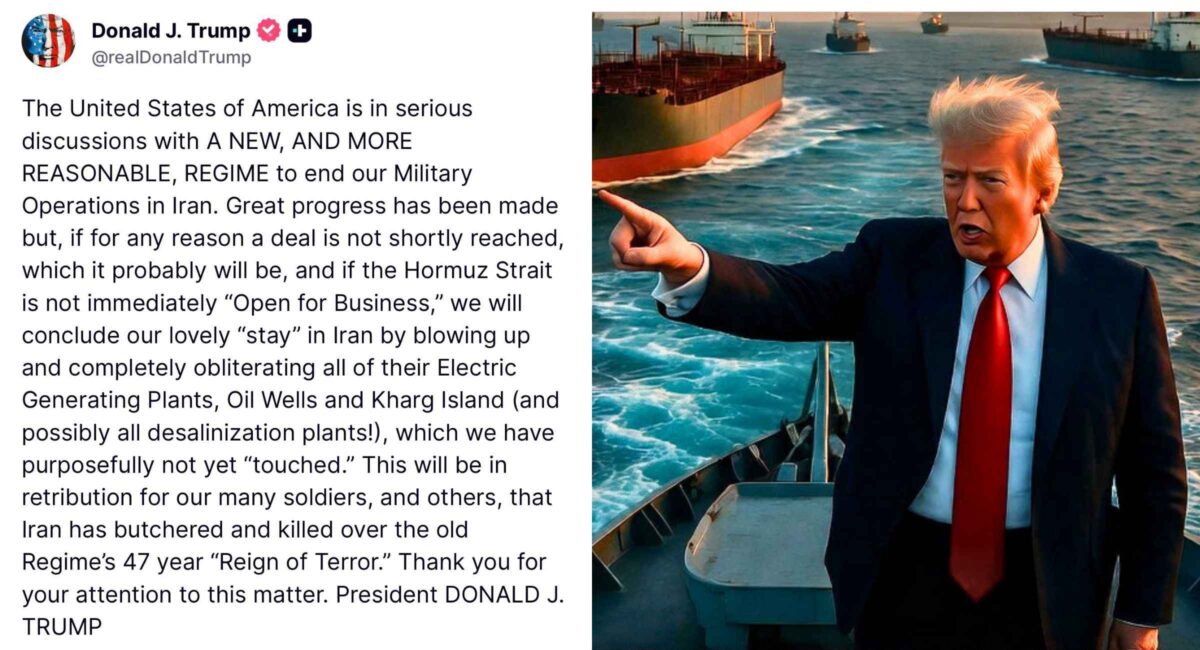
- Trump’s warning: The U.S. has threatened to reopen the strait by force if needed, escalating toward a potential military confrontation.
- Global impact: Around 20% of the world’s oil supply flows through Hormuz—making this one of the most dangerous supply shocks in modern history.
Why the Strait of Hormuz Matters So Much
From years of covering energy markets, one thing is always clear: Hormuz is the world’s most critical oil chokepoint—and nothing else comes close.
- Roughly 20 million barrels per day pass through it
- That’s about 20% of global petroleum consumption
- It also carries a massive share of LNG, including exports from Qatar (with no real alternative routes)
Even a partial disruption sends shockwaves. A near-total shutdown? That’s a full-scale global crisis.
Iran’s “Toll Booth” Strategy — A New Kind of Closure
What’s unfolding isn’t a traditional naval blockade. It’s more sophisticated—and arguably more effective.
Controlled Access Instead of Total Shutdown
Iran hasn’t fully sealed the waterway. Instead, it has:
- Restricted passage to “non-hostile” vessels
- Forced ships to coordinate directly with Tehran
- Selectively allowed some tankers through (e.g., Indian vessels)
The $2 Million Toll System
Reports indicate the IRGC is charging up to:
- $2 million per transit
- Paid via cash, barter, or even crypto in some cases
This turns a global shipping lane into something closer to a permission-based corridor—a dramatic shift in maritime norms.
Trump’s “Two-Minute” Warning and April 6 Deadline
Donald Trump’s rhetoric has escalated sharply in recent days.
Military Threats Intensify
- The U.S. has threatened to destroy Iranian energy infrastructure if the strait isn’t reopened
- Targets reportedly include oil fields, power plants, and export hubs
The April 6 Pressure Point
- A temporary pause in escalation runs until April 6, 2026
- After that, military action becomes significantly more likely
Behind the scenes, the Pentagon is reportedly preparing options—including troop deployments and naval operations.
Oil Prices Surge—and Could Go Much Higher
Markets have already reacted—and fast.
- U.S. oil prices have crossed $100 per barrel again
- Brent crude has surged past $116 in some sessions
- Analysts warn prices could hit $200 if disruption continues into summer
From experience, once shipping insurers pull out (as they are now), recovery isn’t quick—even if the conflict de-escalates.
Global Fallout — Asia Hit First, But Not Last
The impact isn’t evenly distributed.
Asia Faces Immediate Energy Shock
- Countries like India, Japan, South Korea, and China rely heavily on Hormuz
- Some nations are already facing fuel shortages and emergency measures
Europe and Global Trade Next
- LNG disruptions (especially from Qatar) threaten Europe’s energy balance
- Shipping costs and insurance premiums are skyrocketing
Supply Chain Ripple Effects
This isn’t just about oil:
- Petrochemicals
- Fertilizers
- Shipping logistics
Everything gets more expensive—fast.
Can the Strait Be Reopened?
This is where things get complicated—and where many headlines oversimplify.
Military Reality
Even the U.S. Navy cannot instantly “secure” Hormuz because:
- The strait is narrow (about 21 nautical miles at its tightest)
- Iran can deploy asymmetric threats (mines, drones, fast boats)
- Insurance and commercial confidence take time to recover
Diplomatic Gridlock
- The U.S. claims talks are ongoing
- Iran denies meaningful negotiations
Meanwhile, some countries are quietly negotiating direct passage deals with Tehran—undermining a unified global response.
Is This the Worst Energy Crisis in Decades?
There’s a strong case that it is.
- Scale of disruption rivals (and may exceed) past oil shocks
- Affects both oil and LNG simultaneously
- Limited bypass capacity—only about 25% of flows can be rerouted realistically
That last point is critical—and often missed. Pipelines exist, yes. But port capacity bottlenecks make them insufficient.
Conclusion: A Ticking Clock Toward April 6
The Strait of Hormuz closure has evolved into a high-stakes geopolitical standoff with immediate economic consequences. Iran has effectively weaponized geography—turning a global trade artery into a controlled gateway—while the U.S. is signaling it may respond with force if access isn’t restored.
Here’s the blunt reality:
- If diplomacy fails by April 6, escalation is likely
- If escalation happens, oil could spike dramatically
- And even in a best-case scenario, normal shipping won’t return overnight
From an editorial standpoint, this crisis marks a turning point. The world is being forced to confront a fragile truth it has long ignored: too much of the global energy system depends on one narrow stretch of water.