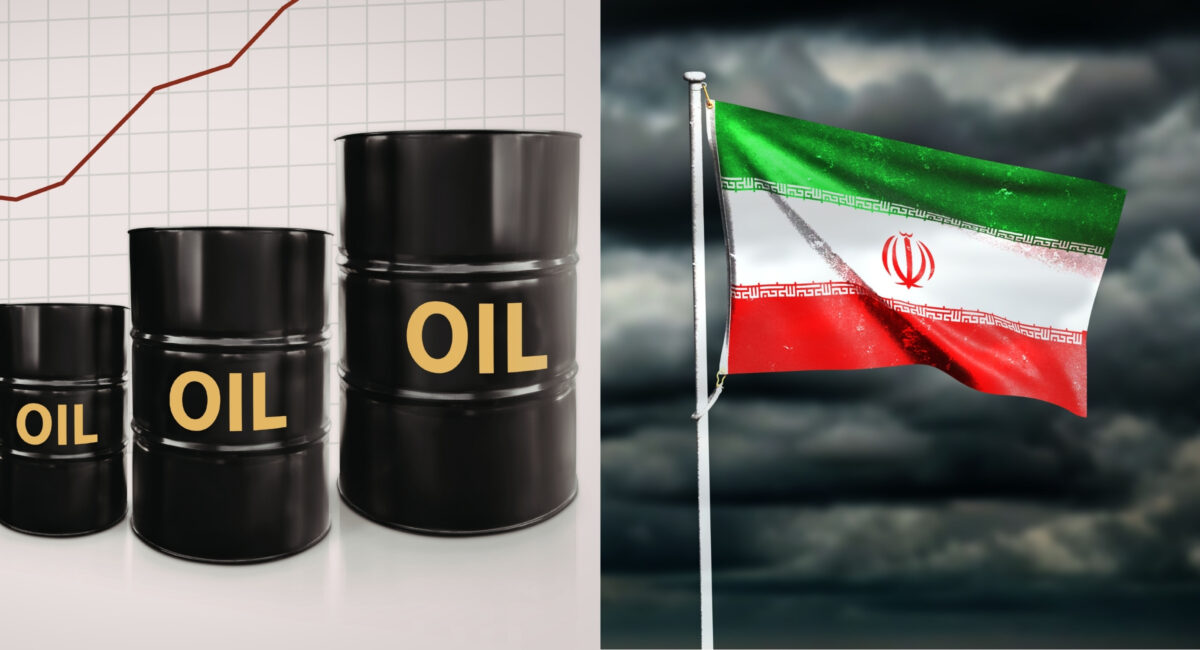
The headline answer is clear: oil prices have surged past $100 per barrel due to escalating Iran-related disruptions in the Strait of Hormuz, a chokepoint that carries roughly 20% of global oil supply. This supply shock—combined with geopolitical uncertainty—has triggered panic buying in countries like India, even as governments insist there is no immediate shortage.
Why Oil Prices Topped $100 Again in 2026
This isn’t a routine price spike. It’s a geopolitical shock with structural implications.
Recent data confirms:
- Brent crude surged above $100–$105 per barrel amid intensifying conflict
- Prices hovered around $103–$104 in latest trading sessions
- Analysts warn a prolonged disruption could push prices as high as $110
From my experience covering energy markets, there’s a telltale sign when traders believe disruption is real, not temporary: even massive reserve releases fail to calm prices—and that’s exactly what’s happening now.
Despite the International Energy Agency releasing 400 million barrels, prices still crossed $100. That tells you the market is pricing in fear of prolonged supply loss, not just a short-term disruption.
The Strait of Hormuz: The Real Trigger Behind the Surge
Why This Narrow Waterway Matters
The Strait of Hormuz is not just another shipping route—it’s the artery of the global oil system.
- Around one-fifth of the world’s oil supply flows through it
- Any disruption instantly tightens global supply
- Even partial restrictions send prices soaring
Now, with Iran threatening or restricting passage—and attacks on shipping increasing—the market is reacting accordingly.
What’s Changed in 2026?
This time, the disruption is:
- Military-driven (not just political threats)
- Backed by actual attacks on tankers and infrastructure
- Supported by Iran’s declared intent to restrict Hormuz traffic
That combination is rare—and dangerous.
India Fuel Panic: What’s Really Happening?
Why People Are Panic Buying Petrol and Diesel
India is one of the largest importers of crude oil, heavily dependent on Middle East supply.
When oil crosses $100:
- Fuel prices rise domestically
- Supply fears spread quickly
- Consumers rush to fill tanks (we’ve seen this pattern during every major oil shock since 2008)
Recent reports indicate panic buying behavior at fuel stations, driven more by fear than actual shortage.
Government Response: “No Shortage, 50–60 Days Reserves”
Indian authorities have responded quickly—and firmly:
- Strategic reserves and supply chains can support 50–60 days of consumption
- Officials insist there is no immediate fuel shortage risk
- Emergency planning includes diversifying supply routes and tapping reserves
This aligns with global measures. Governments worldwide are:
- Releasing emergency reserves
- Coordinating supply stabilization
- Monitoring shipping routes closely
But here’s the nuance (and it matters):
👉 Reserves can buy time—but they cannot replace sustained supply disruptions
How Big Is the Global Supply Risk?
This is where things get serious.
According to recent market analysis:
- A prolonged Hormuz disruption could remove 13–14 million barrels per day from supply
- Global demand sits around 104–105 million barrels/day
That’s a potential loss of over 10% of global supply—a scale not seen since the 1990 Gulf War.
From a market perspective, that’s not just volatility. That’s systemic risk.
Economic Impact: Inflation, Markets, and Global Fallout
1. Inflation Is Back in Focus
Higher oil prices feed directly into:
- Transport costs
- Food prices
- Manufacturing
We’re already seeing early signs:
- Rising borrowing costs in major economies
- Weakening consumer confidence
2. Stock Markets Are Reacting
- Major indices are falling amid uncertainty
- Energy stocks are rising
- Airline and logistics sectors are under pressure
3. Emerging Markets Face the Biggest Risk
Countries like:
- India
- Pakistan
- Southeast Asia economies
…are more vulnerable due to:
- High import dependence
- Currency pressure
- Limited fiscal flexibility
Can Oil Prices Go Even Higher?
Short answer: Yes—if the crisis escalates.
Key Scenarios to Watch
Scenario 1: Short-Term Disruption (Best Case)
- Hormuz reopens within weeks
- Oil stabilizes around $85–$95
Scenario 2: Prolonged Conflict (Current Risk)
- Prices stay between $100–$110
- Inflation spikes globally
Scenario 3: Full Blockade or Escalation (Worst Case)
- Prices could spike beyond $120+
- Severe global recession risk
What Should Consumers and Businesses Do Now?
Step 1: Avoid Panic Buying
Supply chains are strained—but not broken.
Step 2: Expect Price Volatility
Fuel prices may fluctuate frequently in coming weeks.
Step 3: Monitor Government Updates
Policies (tax cuts, subsidies, reserve use) can change quickly.
Step 4: Businesses Should Hedge Costs
Companies reliant on fuel should prepare for sustained high input costs.
Conclusion: This Is More Than an Oil Story
Let’s be blunt: “Oil Prices Top $100” is just the surface headline.
The real story is:
- A fragile global energy system
- A geopolitical conflict centered on a critical chokepoint
- And a market that no longer believes disruptions will be short-lived
From years of watching energy crises unfold, one pattern is consistent—once oil decisively breaks $100 during conflict, it rarely drops quickly without a political resolution.
Final Editorial Take
Unless there’s a credible ceasefire or reopening of the Strait of Hormuz, $100 oil may not be a peak—it could be the new floor for 2026.