Trump Confirms USS Iwo Jima Transport of Maduro After US Military Capture
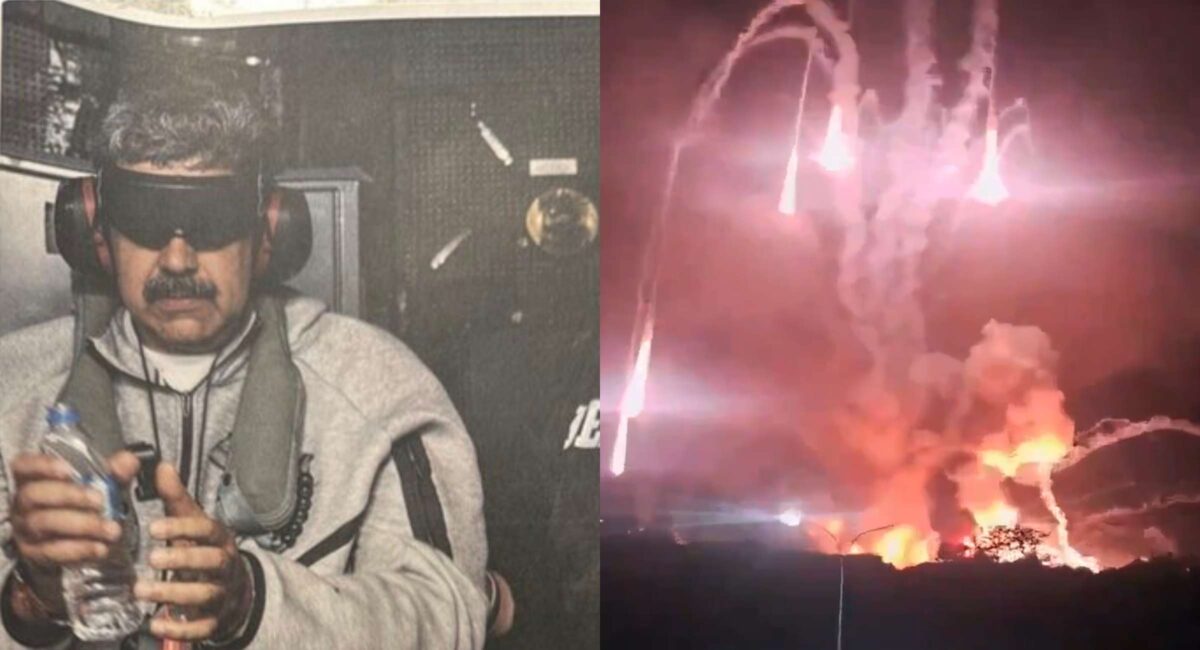
In a dramatic and contentious turn of events on January 3, 2026, Venezuelan President Nicolás Maduro and his wife, Cilia Flores, were captured by U.S. forces during an overnight military operation in Caracas and subsequently transported aboard the USS Iwo Jima, a U.S. amphibious assault ship, en route to New York to face federal charges — including narco-terrorism and cocaine importation conspiracy in the Southern District of New York. Former U.S. President Donald Trump made the announcement on social media and confirmed the image of Maduro aboard the warship as part of the unfolding narrative of U.S. engagement in Venezuela, a move that has ignited intense debate over legality, international norms, and regional stability.
According to U.S. government statements, Operation Absolute Resolve was launched in the early hours of January 3, targeting Venezuelan military sites including Fuerte Tiuna in Caracas and culminating in the capture of Maduro and Flores by elite U.S. special forces, reportedly including Delta Force, with support from other U.S. military elements. Both were extracted from Venezuela via helicopter to the USS Iwo Jima, which had been stationed off Venezuela’s coast in international waters before they were flown to New York. Onboard the ship, they underwent initial processing before being transported to the United States — a rare instance of a sitting head of state being apprehended outside the context of a declared war.
The USS Iwo Jima (LHD-7), an amphibious assault ship designed to support Marine operations and serve as a launch platform for helicopters and landing craft, became a central symbol of the controversial mission when a photo circulated showing Maduro blindfolded and in custody aboard the vessel. President Trump emphasized that Maduro and his wife “would face the full might of American justice” and that the operation was a decisive blow against what the administration has long labeled the Venezuelan government’s involvement in narcotics trafficking. The couple were later flown from the Iwo Jima to New York’s Stewart Air National Guard Base, after which they were scheduled for federal court proceedings.
The indictment filed against Maduro in the Southern District of New York includes charges of narco-terrorism conspiracy, cocaine importation conspiracy, possession of machine guns and destructive devices, and related offenses, and implicates several close associates. U.S. Attorney General Pamela Bondi confirmed these charges shortly after the capture, noting they stem from longstanding investigations into criminal networks allegedly tied to the Venezuelan presidency — an accusation Maduro’s supporters and the Venezuelan government vehemently deny.
The legality of transporting a sitting foreign leader — even one indicted — aboard a U.S. warship such as the USS Iwo Jima and then to the United States has drawn significant scrutiny. Critics, including some U.S. lawmakers and international legal experts, argue that the operation may violate international law and norms regarding state sovereignty, especially since it was conducted without clear congressional authorization. Supporters defend it as a necessary enforcement of U.S. criminal law and a landmark counter-narcotics operation.
In Venezuela, officials including Vice President Delcy Rodríguez have rejected the U.S. narrative of capture and extradition, demanding proof of life and denouncing the action as imperialistic aggression. The Venezuelan Supreme Court even named Rodríguez as interim president in response to what it called the “kidnapping” of Maduro, illustrating the deep political fissures emerging from the crisis.
The international reaction has been sharply divided. Some U.S. allies have cautiously supported efforts to hold Maduro accountable for alleged human rights abuses and criminal conduct, while others have condemned the U.S. strikes and capture as violations of sovereignty and dangerous precedents. The United Nations Security Council is reportedly considering discussions on the legality and ramifications of the action, amid calls for restraint and dialogue.
As of now, Maduro and Flores remain in U.S. custody, formally charged and awaiting further court proceedings in New York, a scenario that analysts say could reshape not only U.S.–Venezuela relations but also broader discussions on how criminal accountability intersects with international diplomacy and military intervention.