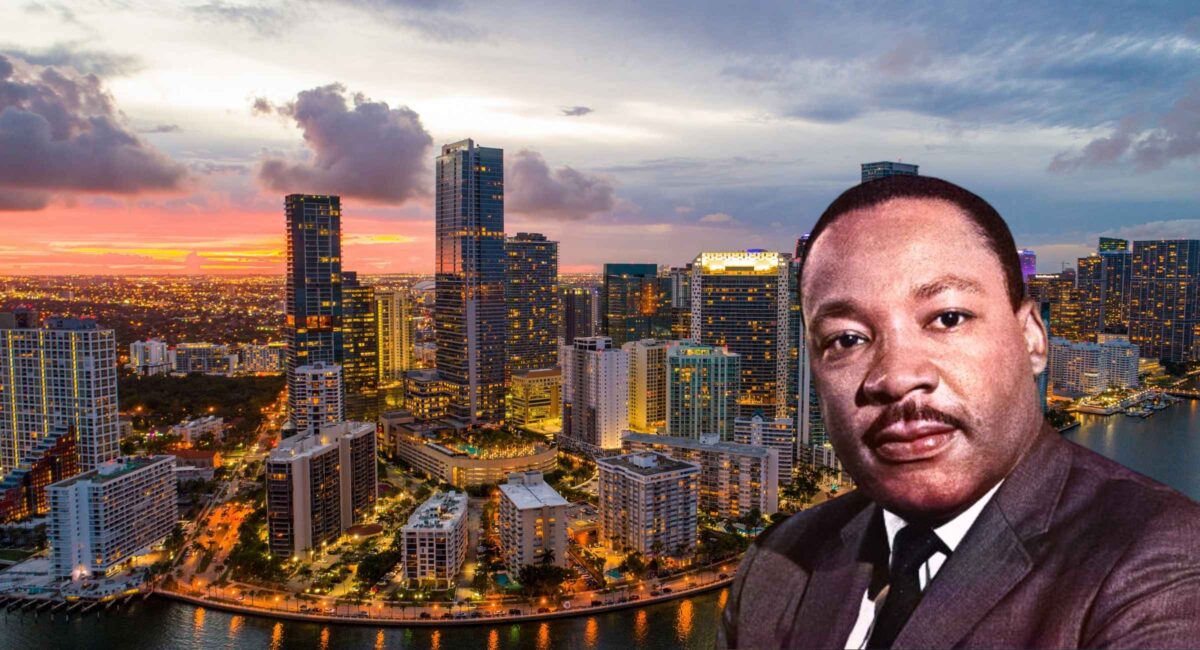
- MLK Day (Jan 19, 2026) is a federal holiday with most government services closed.
- National parks will not offer free admission on MLK Day in 2026; visitors must pay standard fees.
- State parks (e.g., in California) may offer free access independently.
- Banks, stock markets, and postal services observe holiday closures.
- Private sector businesses and community events vary by local practices.
Martin Luther King Jr. Day (MLK Day) on Monday, January 19, 2026 remains a U.S. federal holiday. Most federal services — including banks, federal offices, and postal operations — are closed. However, retail, many private businesses, and state-level offerings (like select California state parks with free entry) may remain open. Importantly, the National Park Service (NPS) has removed MLK Day from its list of free-admission days for 2026, a change instituted by the Trump administration’s new policy on fee-free dates.
What MLK Day Is: A Federal Holiday That Still Stands
Martin Luther King Jr. Day is celebrated on the third Monday in January each year to honor the civil rights leader’s legacy — his leadership in ending segregation and advancing voting rights. It was signed into federal law in 1983 and first observed in 1986.
Unlike misconceptions circulating online, this federal holiday has not been legally abolished; however, some administrative policies around it (such as national park access) have changed for 2026 under the current administration’s direction.
What’s Closed on MLK Day — January 19, 2026
Federal Government and Services
- Federal Offices: Closed nationwide for the federal MLK Day holiday.
- Social Security Offices: Closed.
- IRS Offices & Telephone Support: Closed for the holiday (though online tools remain accessible).
Financial Sector
- Banks: Closed; ATMs and online banking services remain functional.
Postal & Delivery
- U.S. Postal Service: No regular mail delivery; post offices closed.
- UPS and FedEx: Modified operations or closures on holiday schedules.
Financial Markets
- Stock Exchanges (NYSE & Nasdaq): Closed in observance of the federal holiday.
Public Education
- Public Schools: Most will be closed for the holiday; local variations possible.
What’s Typically Open or Operating Differently
Retail, Restaurants & Private Businesses
- Major retail stores, grocery outlets, and restaurants often remain open and may offer holiday promotions.
Some Public Transportation
- Transit systems may operate on holiday schedules (reduced service).
Local or State Events
- Community events, parades, volunteer activities, and celebrations often occur, especially around civil rights educational programs and service initiatives.
National Park Access in 2026: Major Policy Shift
This year, there’s an important and controversial update on national park entry policies — and it’s directly tied to administrative decisions signed into effect for the 2026 calendar.
Free Admission Removed on MLK Day
For decades, Martin Luther King Jr. Day was included among the National Park Service’s fee-free admission days — meaning visitors could enter federal parks without paying entrance fees. That changed in late 2025.
The National Park Service (NPS) — which administers entry to America’s federal parks — announced that MLK Day (Jan 19) and Juneteenth (June 19) will no longer be fee-free days for 2026. Instead, the NPS now offers fee-free access on a different set of dates that do not include MLK Day.
Updated Free-Entry Days in 2026
Under the revised schedule, the following days will have free admission for U.S. citizens and residents:
- Presidents Day (Feb 16)
- Memorial Day (May 25)
- Flag Day / President Trump’s Birthday (June 14)
- Independence Day Weekend (July 3–5)
- 110th Anniversary of NPS (Aug 25)
- Constitution Day (Sept 17)
- Theodore Roosevelt’s Birthday (Oct 27)
- Veterans Day (Nov 11)
Notably, MLK Day and Juneteenth are no longer included — marking a break from prior years.
Why This Shift Matters
Policy Context:
This change stems from broader adjustments by the U.S. Department of the Interior, aligned with executive priorities under the Trump administration. Officials have described this as part of “America-first pricing” policies that emphasize certain patriotic holidays while restructuring park visitation fees.
Public Debate & Criticism:
Civil rights groups such as the NAACP have publicly condemned the decision, framing the removal of MLK Day and Juneteenth from fee-free entry days as minimizing key historical moments in Black American history. Derrick Johnson, NAACP president & CEO, stated the move “undermines the truth of this nation’s history and sidelines communities that fought for equity and freedom.”
Opposition has also come from lawmakers and historians who argue that these holidays have symbolic and educational importance that free park access helped reinforce.
However: State Parks Still Participating in Free Entry
In contrast to federal National Park changes, California state parks are offering free vehicle day-use entry on MLK Day, Jan 19, 2026, funded through collaborative efforts such as the California State Parks Foundation. This includes select parks that accept the California State Library Parks Pass — a program separate from NPS policy.
However, some state parks still charge fees (e.g., off-highway or partner-operated parks).
Broader Political Context
While MLK Day is unchanged as a federal holiday, the administration’s adjustments to ceremonial observances and park access have generated widespread discourse (including protests and rallies in some cities) about federal recognition of civil rights history and diversity-related observances.
It is important to distinguish that federal holidays — including MLK Day — are established by law and cannot be abolished by executive order alone. Changes like park access policies are administrative decisions, not alterations of the holiday’s legal status.
Final Thought
For many Americans, MLK Day has long been a moment to honor a civil rights legacy with service, education, and reflection. The 2026 changes to national park admissions rekindle a broader debate about how that legacy is recognized federally and what role public lands play in national remembrance. As always, the lived experiences of communities on the ground — from volunteer service projects to local commemorations — continue to shape what MLK Day feels like in practice, even amid political policy shifts.