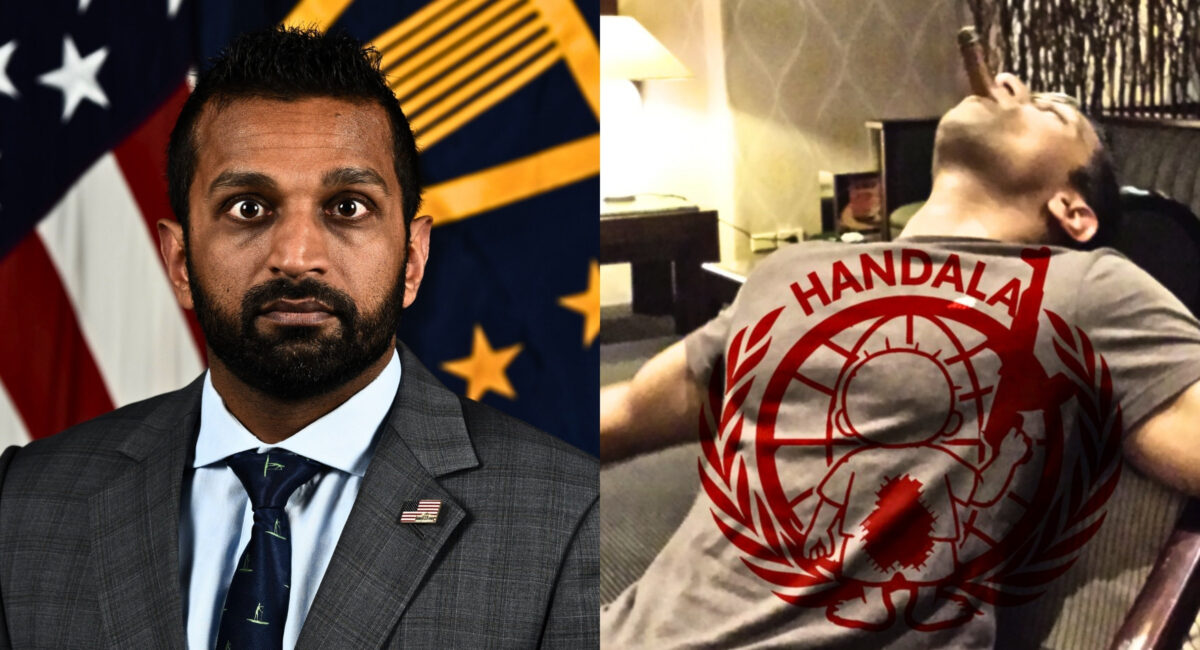
Kash Patel’s personal email was breached in March 2026 by an Iran-linked hacking group known as Handala Hack Team, which released emails, photos, and documents online. U.S. officials confirm the hack—but stress the data is old, personal, and not classified or tied to FBI systems.
Breaking News: What Happened in the Kash Patel Email Hack
In late March 2026, cybersecurity alarms went off across Washington after reports emerged that:
- Hackers accessed Patel’s personal Gmail account
- Over 300 emails and private photos were leaked online
- Documents included his resume, travel details, and personal correspondence
- The material dated largely from 2010 to 2019 (pre-FBI tenure)
Crucially, the FBI confirmed:
👉 No government or classified systems were breached
That distinction matters—and in cybersecurity terms, it’s the difference between embarrassment and a national security crisis.
Who Is Kash Patel—and Why He’s a Target
Kash Patel has been Director of the FBI since February 2025, making him one of the most powerful law enforcement figures in the United States.
His background includes:
- National security prosecutor
- Senior intelligence roles
- Key positions during the Trump administration
That profile—high visibility, national security involvement—makes him a prime symbolic target.
From years covering cyber conflicts, attacks like this are rarely random. They’re chosen for maximum psychological and political impact, not just data theft.
Inside the Hack: What the Handala Group Claims
The group behind the breach, Handala Hack Team, is widely believed by Western analysts to be linked to Iran’s Ministry of Intelligence (MOIS)
What They Released:
- Personal emails spanning nearly a decade
- Photos (including private lifestyle images)
- A copy of Patel’s CV/resume
- Travel-related correspondence
What They Claimed:
- Full access to “confidential data”
- A symbolic “defeat” of U.S. cybersecurity
However, cybersecurity experts caution:
👉 These groups often exaggerate their access and impact
Was the FBI Hacked? Clearing Up the Biggest Misconception
Let’s address the confusion directly.
No, the FBI itself was NOT hacked
Yes, Patel’s personal email was compromised
According to official statements:
- The breach targeted a private account
- The exposed material was “historical in nature”
- No evidence suggests access to FBI networks or classified data
From an investigative standpoint, this is a classic distinction in cyber warfare:
- Institutional breach → strategic crisis
- Personal breach → reputational attack
This falls firmly in the second category.
Why Iran-Linked Hackers Targeted the FBI Director
Timing is everything—and this didn’t happen in isolation.
1. Geopolitical Escalation
The hack comes amid:
- Rising tensions between the U.S., Israel, and Iran
- Recent military strikes and retaliatory threats
Cyberattacks are often used as low-risk retaliation tools—they hurt reputation without triggering full-scale war.
2. Retaliation for U.S. Cyber Operations
Reports indicate:
- U.S. authorities recently seized domains linked to Handala
- The group framed the attack as a direct response
This fits a well-documented pattern:
👉 Cyber groups retaliate quickly—and publicly—to show resilience.
3. Psychological and Propaganda Value
Leaking:
- Personal photos
- Private emails
…serves a clear purpose: humiliation and narrative control.
From experience, these operations aim to:
- Undermine trust in leadership
- Create media storms
- Amplify internal criticism
The Leaked Content: What’s Verified vs. Unverified
Verified:
- Email account was breached
- Some materials appear authentic
- Content is largely personal and pre-2025
Not Fully Verified:
- Full scope of leaked files
- Authenticity of all documents
- Claims of deeper system access
Even major outlets note:
👉 Independent verification of all files remains incomplete
That’s a critical point often missed in viral discussions.
Cybersecurity Implications: A Bigger Warning Signal
This isn’t just about one individual.
1. Personal Accounts = Weakest Link
Even top officials:
- Use personal emails
- Maintain legacy accounts
And those accounts often lack:
- Government-level security protocols
- Continuous monitoring
2. Rise of Proxy Cyber Warfare
Groups like Handala Hack Team represent a growing trend:
- State-linked but unofficial actors
- Plausible deniability
- Aggressive online operations
This makes attribution—and retaliation—much harder.
3. Escalation Pattern
Recent activity linked to the group includes:
- Attacks on U.S. companies
- Threat campaigns
- Data leaks targeting high-profile individuals
This suggests a broader, coordinated cyber campaign, not a one-off hack.
Public Reaction: Shock, Criticism, and Debate
The reaction has been swift—and divided:
- Critics question how a sitting FBI director’s email could be exposed
- Supporters emphasize no classified breach occurred
- Cyber experts highlight systemic vulnerabilities
From covering similar incidents, one pattern repeats:
👉 Public trust is shaped less by technical facts—and more by perception.
What Happens Next?
Ongoing Investigations
- FBI and DOJ are actively investigating
- A $10 million reward has been mentioned for identifying those responsible
Potential Outcomes
- Identification of attackers
- Further leaks (if hackers escalate)
- Increased cybersecurity protocols for officials
Final Verdict: A Symbolic Strike With Real Consequences
Let’s cut through the noise.
- ✅ Hack confirmed
- ✅ Personal email compromised
- ✅ Data leaked (mostly old and personal)
- ❌ No FBI systems breached
- ❗ Cyber tensions escalating
Editorial Insight
From years tracking cyber conflict, this incident fits a clear pattern:
high-visibility, low-damage attacks designed to send a message—not cause systemic collapse.
But don’t underestimate it.
Because while the data may be old, the implications are very current:
- Personal security gaps at the highest levels
- Increasing boldness of state-linked cyber actors
- And a digital battleground expanding alongside physical conflict
The Kash Patel FBI Director email hack isn’t a catastrophic breach—but it is a warning shot.
And in today’s geopolitical climate, those warnings tend to escalate—not fade.