Yes — Benjamin Netanyahu is alive as of March 2026. Viral rumors claiming the Israeli prime minister had died or been replaced by an AI-generated version stem from a controversial video posted during the escalating Iran conflict that appeared to show him with “six fingers.” Israeli officials and multiple fact-checks confirmed the claims are false and fueled by misinformation, emphasizing that Netanyahu continues to perform his official duties and address the nation amid wartime tensions.
But the story behind the rumor — involving AI glitches, coordinated propaganda, and online speculation — reveals something bigger: how digital misinformation spreads during geopolitical crises.
The Rumor That Exploded Online
The rumor cycle began in early March 2026, when a video message from Netanyahu circulated on social media during heightened military tensions between Israel and Iran.
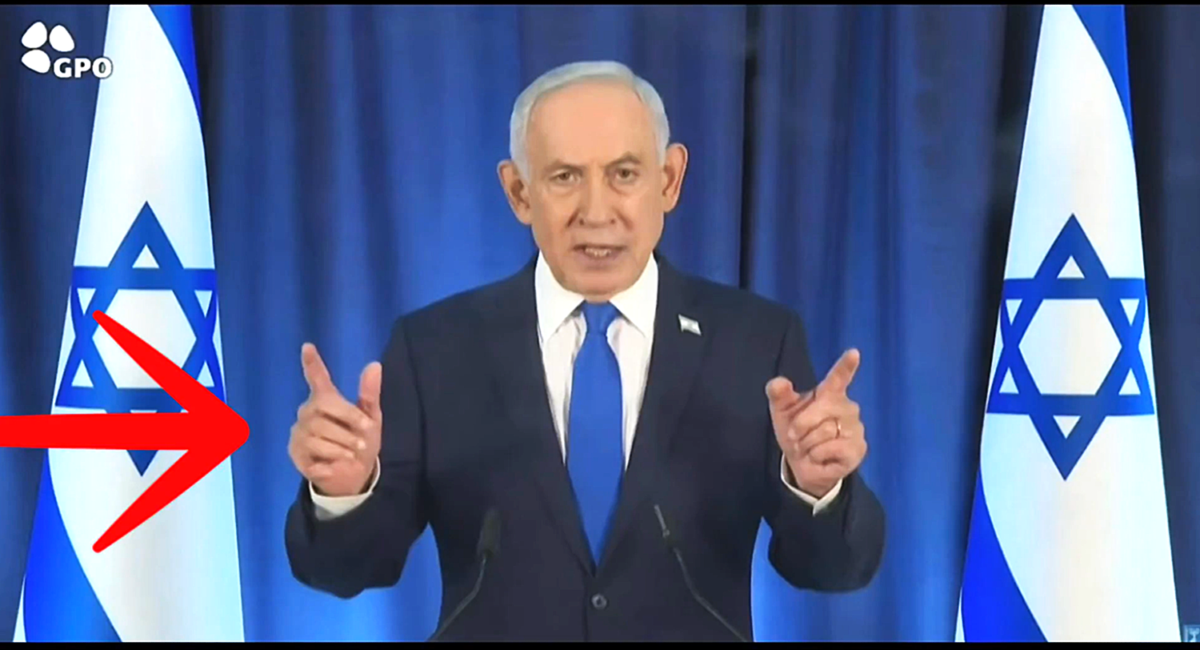
Within hours, users on platforms like X and Telegram zoomed into a single frame of the video and claimed the Israeli leader appeared to have six fingers on his right hand — a common artifact associated with AI-generated imagery.
The result?
Millions of views, thousands of reposts, and one viral question:
“Is Netanyahu actually alive?”
The speculation spread rapidly across social networks, particularly as the Middle East conflict intensified and the information environment grew chaotic.
Why the “Six-Finger” Video Raised Suspicion
Anyone who studies AI-generated imagery knows this detail instantly: hands are notoriously difficult for generative models.
For years, early AI systems often produced:
- Extra fingers
- Missing fingers
- Distorted joints
- Inconsistent lighting around hands
That’s why the viral screenshot quickly triggered suspicions of a deepfake.
However, digital analysts reviewing the footage concluded something different: the supposed sixth finger likely resulted from camera angle, hand positioning, and lighting, not artificial intelligence.
In other words, what many viewers interpreted as a finger was actually the fold of Netanyahu’s palm during a gesture.
Official Response From Israel
The Israeli government moved quickly to shut down the rumor.
Authorities described the claims about Netanyahu’s death as “fake news” circulating online during a sensitive moment in the ongoing conflict. Officials reiterated that the prime minister was alive and continuing his work as head of government.
This response came after a surge of conspiracy theories suggesting:
- Netanyahu had been killed in an Iranian strike
- The government was hiding his death
- AI videos were being used to simulate appearances
None of those claims were backed by credible evidence.
How AI Images Fueled the Hoax
While the “six-finger video” sparked the rumor, the misinformation campaign didn’t stop there.
Several AI-generated images showing Netanyahu injured or dead also circulated widely online. According to digital analysis tools, these images were confirmed to be artificially generated and had no connection to real events.
Investigations found that the fake visuals were amplified through coordinated social media accounts and propaganda channels.
The strategy is not new.
During wartime, rumors about the death or disappearance of a national leader are a classic psychological tactic intended to create confusion and destabilize public confidence.
The Iran War Context: Why Rumors Spread Faster
The timing of the rumors was not accidental.
The misinformation wave appeared during one of the most volatile periods in recent Middle Eastern geopolitics — the escalating confrontation between Israel and Iran.
During such crises, several factors make misinformation spread faster:
1. Limited Real-Time Information
Governments often restrict security information during wartime, creating information gaps.
2. Emotional Public Reactions
When conflict escalates, people actively search for updates — even unverified ones.
3. Propaganda Campaigns
State-aligned media outlets sometimes amplify narratives designed to undermine rival governments.
In this case, speculation about Netanyahu’s death appears to have originated from unverified claims and circumstantial speculation, rather than credible reporting.
Netanyahu’s Public Appearances During the Rumor Period
Despite viral speculation, there are several documented appearances confirming Netanyahu remained active in government.
These include:
- Security meetings with senior defense officials in Tel Aviv
- Public addresses regarding the war with Iran
- Official communications from the Israeli Prime Minister’s Office
- Diplomatic calls with international leaders
Photographs and video recordings released through official government channels provided clear evidence of continued leadership activity. (AI Or Not)
The Growing Problem of AI Deepfakes in Global Politics
The Netanyahu rumor episode highlights a broader challenge confronting governments worldwide.
AI-generated media is becoming increasingly convincing — and increasingly weaponized.
In the last two years alone, researchers have documented deepfakes targeting:
- political leaders
- election candidates
- military events
- breaking news crises
The implications are serious.
A convincing fake video released during a military confrontation could trigger panic, market crashes, or diplomatic escalation before fact-checkers even respond.
In the Netanyahu case, the rumor fizzled once officials and journalists verified the facts. But experts warn that future deepfakes may be harder to detect.
Why “Leader Death” Rumors Are So Common in Wars
From a historical perspective, rumors about a leader’s death have been a recurring feature of wartime propaganda.
Examples include:
- false reports about Allied leaders during World War II
- rumors about Soviet leadership during the Cold War
- viral social media claims about modern political figures
The reason is simple.
If people believe their leader is gone, political stability can collapse quickly.
That’s why governments typically respond immediately to such rumors — and why fact-checking organizations treat them as high-priority misinformation events.
Conclusion: Netanyahu Is Alive — But the Information War Is Real
The answer to the viral question is clear:
Benjamin Netanyahu is alive and continues serving as Israel’s prime minister.
The rumors of his death originated from a viral video frame that appeared to show six fingers — a visual illusion that quickly spiraled into conspiracy theories across social media.
Yet the deeper lesson from the episode isn’t about a single viral video.
It’s about the new battlefield of modern geopolitics: information itself.
As artificial intelligence tools become more powerful, the line between authentic footage and fabricated media will grow increasingly blurry.
And in moments of crisis — especially during wars — misinformation can travel faster than truth.
That’s why verifying sources, checking official statements, and understanding how digital manipulation works are now essential skills for anyone following global news in 2026.