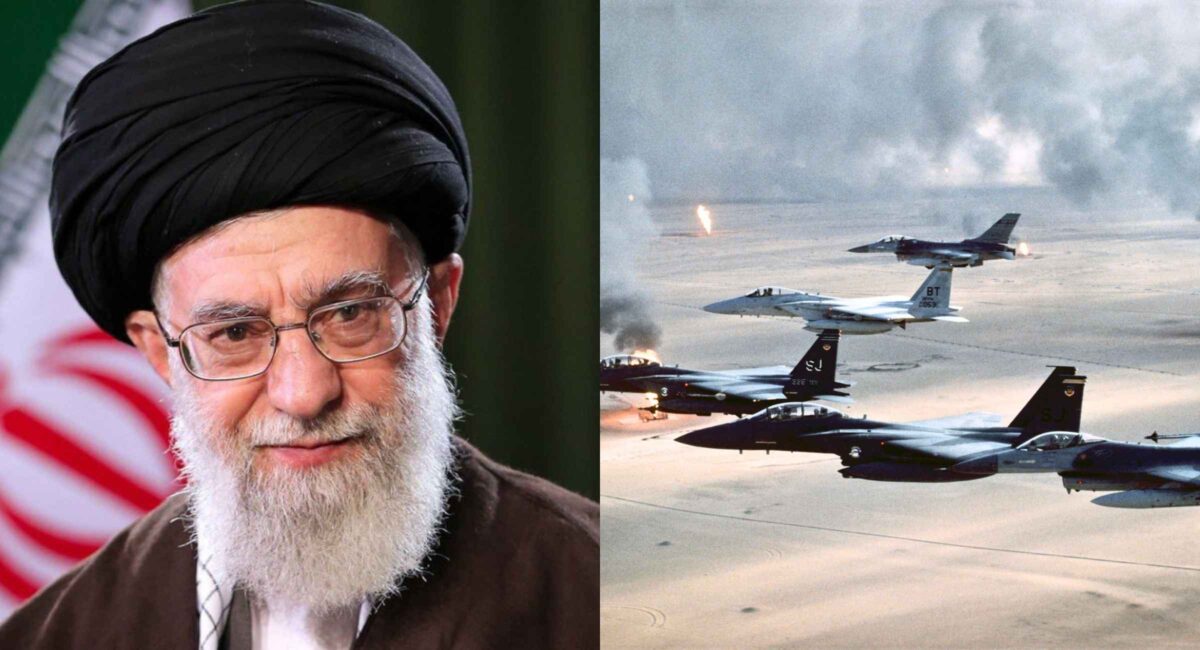
Iran has not officially declared war in the legal, treaty-based sense on the United States, Israel, or Europe, but Iranian President Masoud Pezeshkian publicly stated that his country is in a “full-scale war” with those powers in an interview published in late December 2025 — a rhetorical framing of ongoing geopolitical conflict and pressure rather than a formal declaration of armed hostilities. His comments reflect escalated tensions following military clashes, sanctions, and diplomatic standoffs but do not constitute a formal, internationally recognized declaration of war under international law.
Understanding the Statement: “Full-Scale War” vs. Legal War Declaration
What Pezeshkian Actually Said
In a December 27–28, 2025 interview published via Iranian state-linked media, President Masoud Pezeshkian stated that Iran is in a “full-scale war” with the United States, Israel, and Europe, citing multifaceted pressures including military strikes, sanctions, and diplomatic isolation. He argued that:
- These pressures were more complex and difficult than Iran’s experience in the 1980–88 Iran-Iraq War.
- Iran’s adversaries seek to weaken the country economically and politically.
- Iran’s military readiness is higher now than it was earlier in 2025.
Importantly, the phrase “full-scale war” in this context is political language describing confrontation and pressure rather than a formal legal act such as a declaration of war through legislative or constitutional mechanisms.
How Iran Frames This Conflict
Pezeshkian and other Iranian officials frame the situation as a comprehensive confrontation, incorporating:
- Economic sanctions and financial pressure
- Military actions and retaliatory strikes
- Diplomatic isolation and political encirclement
The core of his rhetoric centers on asserting that Western policies — sanctions, renewed UN measures, and military actions — constitute an existential struggle for the Islamic Republic.
What Led to This Confrontational Rhetoric
June 2025 Military Escalations
Earlier in 2025, tensions boiled over when:
- Israel launched a significant military operation targeting Iranian nuclear and military infrastructure.
- The United States reportedly joined in airstrikes against Iranian nuclear sites later in the campaign.
- The conflict, lasting approximately 12 days, resulted in hundreds of casualties on both sides and extensive damage to key nuclear facilities.
A ceasefire was eventually brokered in June 2025, largely mediated by Qatar and the United States, bringing an end to immediate hostilities.
Post-Ceasefire Pressures
Following this ceasefire:
- Western powers — especially France, Britain, and Germany — reimposed UN-related sanctions aimed at Iran’s nuclear ambitions.
- Diplomatic negotiations over Iran’s nuclear program have been stalled and fraught.
- Economic hardship, currency depreciation, and public unrest are mounting internally in Iran, according to state reporting.
These dynamics are central to Pezeshkian’s framing of the current state as a “war,” portraying it as a struggle not just on battlefields but in economic, diplomatic, and cultural arenas.
Did Iran Legally Declare War?
No. There is currently no official, internationally recognized declaration of war by Iran against the United States, Israel, or Europe that meets the criteria of formal instruments of war (such as parliamentary resolution or treaty action). Pezeshkian’s remarks are political rhetoric reflecting heightened tensions, not a legal declaration under international law.
Why This Distinction Matters
- Declarations of war historically require formal statements backed by constitutional/legislative authority.
- Rhetorical “war” language is often used by leaders during major geopolitical standoffs, sanctions regimes, or proxy confrontations without triggering legal war status.
For instance, nations involved in protracted conflicts during the Cold War used similar language without formal war declarations.
Iran’s Perspective: Strategic Narrative and Deterrence
Domestic Framing
Pezeshkian’s rhetoric serves multiple internal purposes:
- Consolidate public support: By invoking comparisons with the Iran-Iraq War — a traumatic and unifying period — leaders aim to foster national unity in the face of external pressure.
- Justify defense and security measures: Framing current challenges as “war” strengthens arguments for military readiness and security investment.
- Pin blame externally: Economic hardship and political challenges at home are cast as the result of foreign aggression and sanctions.
Regional and Global Signals
By declaring a comprehensive war narrative, Tehran may be:
- Signaling deterrence to adversaries such as the U.S. and Israel.
- Countering diplomatic isolation by directly engaging global audiences with its interpretation of events.
- Positioning itself as defendant rather than aggressor in the narrative battleground.
These strategic uses of language are common in geopolitical communication, especially when states face mounting external pressure and domestic discontent.
Responses from the United States and West
Official Western Position
Western governments, including the United States, have not described relations with Iran as a state of war in the legal sense. Rather, U.S. officials continue to:
- Emphasize a combination of sanctions, diplomatic pressure, and military deterrence.
- Continue formal stances that Iran’s nuclear program allegedly threatens regional and global security.
The United States and European allies have also stated — through formal channels — their openness to talks if Iran meets certain conditions, signaling that options for peaceful resolution remain on the table.
Israel’s Position
Israel maintains that:
- Its strikes and security measures are defensive responses to perceived Iranian threats.
- Continuous pressure on Tehran’s nuclear infrastructure is necessary to prevent escalation.
While rhetoric has hardened, neither the U.S. nor Israeli governments have used formal declarations of war language in their official capacities following Pezeshkian’s remarks.
Implications for Global Security
International Law and War Designation
Under the UN Charter, formal declarations of war have largely been supplanted by interpretations of Article 51 (self-defense) and Security Council authorizations. Even when nations engage in hostilities, they may avoid legal declarations to manage diplomatic fallout.
In this case:
- Pezeshkian’s speech does not meet the legal threshold for declaring war under international law.
- Ongoing sanctions, conflict episodes, and political pressure are part of a protracted geopolitical standoff rather than a universally recognized “state of war.”
Risk of Misinterpretation
Simplifying Pezeshkian’s language into a formal “Iran declares war” headline risks misunderstanding both legal realities and diplomatic nuance. Many global actors — including governments, analysts, and international organizations — continue to stress negotiation channels and conflict management even amid heightened rhetoric.
Conclusion
Iranian President Masoud Pezeshkian’s December 2025 interview contains some of the strongest language yet from Tehran regarding its relations with the United States, Israel, and Europe, framing the situation as a “full-scale war.”
But strong rhetoric is not the same as a legal declaration of war. No formal instruments — such as legislative or constitutional war declarations — have been issued by Iran. Instead, his remarks reflect strategic political communication in the context of deepening geopolitical tensions, economic hardship, and stalled diplomatic processes.
Readers should distinguish between verbal framing of conflict and actual legal war status — the former is real and dangerous, the latter has not been formally declared. The evolving diplomatic landscape remains fraught, and even heightened language can have unpredictable effects on negotiation, deterrence, and international stability.
Frequently Asked Questions
No formal declaration under international law; only rhetorical language indicating profound conflict.
There have been military clashes (e.g., June 2025), but ongoing engagements are part of broader geopolitical tensions, not universally acknowledged war.
The risk exists depending on future actions, but as of December 29, 2025, no legal war status has been invoked.