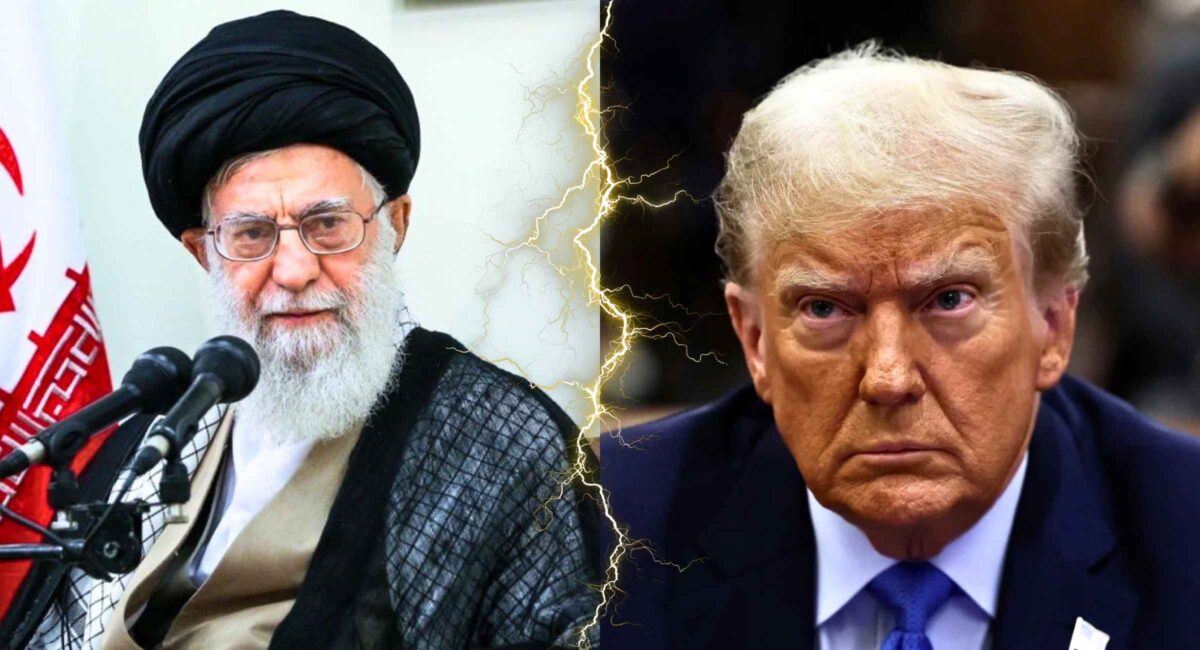
Iran dismisses US ceasefire talks outright, with officials saying Washington is “negotiating with itself,” rejecting any active negotiations despite U.S. claims of progress. As of March 25, 2026, Tehran has hardened its stance, demanding major concessions before any talks—while global markets react with surging gold prices and extreme volatility.
That single line—“negotiating with themselves”—captures the current reality: diplomacy isn’t just stalled. It’s fundamentally broken.
Why Iran Rejected the US Ceasefire Narrative
The latest escalation isn’t just military—it’s psychological.
A Public Rejection of US Claims
Iranian military spokesperson Ebrahim Zolfaqari delivered the bluntest message yet:
- The U.S. is “negotiating with itself”
- No direct talks are taking place
- Washington’s peace plan lacks credibility
This directly contradicts statements from U.S. leadership claiming “productive discussions” and progress toward a ceasefire.
From an editorial standpoint, this is more than disagreement—it’s narrative warfare.
The 15-Point US Peace Plan—And Why Iran Rejected It
According to multiple reports, Washington proposed a structured ceasefire framework:
- Temporary one-month ceasefire
- Iran to halt nuclear ambitions
- Open access to the Strait of Hormuz
- Sanctions relief in return
On paper, it resembles past diplomatic frameworks.
In reality, Iran sees it differently.
Tehran’s response:
- Calls the plan a “strategic deception”
- Rejects U.S. authority to set terms
- Demands guarantees and compensation instead
And here’s the key insight—based on years covering Middle East diplomacy:
Iran rarely negotiates under active military pressure.
Right now, strikes are still ongoing.
Iran’s Hardline Demands: The Real Roadblock
Behind closed doors (and increasingly in public), Iran’s conditions have become more rigid.
What Tehran Wants Before Any Talks
Sources indicate Iran is demanding:
- Full cessation of U.S. and Israeli strikes
- Compensation for wartime damage
- Guarantees against future attacks
- No restrictions on its missile program
- Greater control over the Strait of Hormuz
From a negotiation standpoint, these aren’t opening positions—they’re maximalist demands.
Which explains the current stalemate.
War Context: Why Talks Are Collapsing Now
To understand the breakdown, you have to look at how the war has evolved.
Week Four of the Conflict: Escalation, Not Stabilization
- War began with coordinated U.S.-Israel strikes on Iran (Feb 28, 2026)
- Iran responded with missile attacks across the region
- Energy infrastructure—including gas fields—has been targeted
- Global oil supply disruptions intensified
At this stage, both sides believe they still have leverage.
And when both sides think they’re winning—talks rarely succeed.
Gold Price Surge: The Market’s Fear Signal
If you want the clearest real-time indicator of global anxiety, it’s gold.
Why Gold Is Rising Now
- Investors are pricing in prolonged conflict risk
- Inflation fears tied to energy disruptions are rising
- Safe-haven demand is accelerating
Recent market reactions show:
- Gold climbing alongside a stronger U.S. dollar
- Oil volatility driving broader commodity uncertainty
From experience, this is textbook crisis behavior.
When gold and oil move together, it usually signals deep structural fear—not just short-term volatility.
Oil, Markets, and the Strait of Hormuz Factor
There’s one strategic chokepoint driving everything: the Strait of Hormuz.
- Handles a significant share of global oil shipments
- Currently operating under restrictions and heightened risk
- Iran signaling potential control or influence over passage
Even partial disruption here has outsized impact.
Analysts are already warning:
- Oil could spike toward $150 per barrel in worst-case scenarios
- Global recession risks are increasing
That’s why markets react instantly to any ceasefire rumor—even false ones.
Mediation Efforts: Quiet Diplomacy Still Alive
Despite public denials, indirect diplomacy hasn’t completely stopped.
Countries Attempting to Bridge the Gap
- Pakistan
- Turkey
- Egypt
These nations are acting as intermediaries—relaying messages between Washington and Tehran.
But here’s the reality (and this comes from long observation of similar conflicts):
Backchannel diplomacy often exists—but it doesn’t matter unless both sides acknowledge it publicly.
Right now, Iran refuses to do that.
The Trust Deficit: Why This Conflict Is Different
There’s a deeper issue at play—trust.
Iranian officials have repeatedly pointed to past experiences where:
- Talks were followed by renewed military action
- Agreements failed to deliver long-term guarantees
That history shapes current decisions.
And it explains why even a structured ceasefire proposal is being dismissed outright.
What Happens Next: Key Signals to Watch
Over the next few days, four indicators will define the trajectory:
🔹 1. Military Activity
Any pause—or escalation—will directly impact diplomatic chances.
🔹 2. Oil Prices
Sharp spikes signal worsening risk; declines hint at de-escalation.
🔹 3. Official Statements
Watch for any shift in Iran’s tone—from rejection to conditional openness.
🔹 4. Mediator Announcements
If talks move to a neutral location (like Islamabad), that’s a major signal.
Conclusion: Diplomacy Is Failing—For Now
Iran dismissing US ceasefire talks as “negotiating with themselves” isn’t just rhetoric—it’s a clear rejection of the current diplomatic framework.
Right now:
- The U.S. says talks are progressing
- Iran says talks don’t exist
- Markets are reacting to both
Editorial Perspective
From a seasoned geopolitical lens, this is a pre-negotiation phase disguised as diplomacy.
Both sides are:
- Testing leverage
- Shaping narratives
- Avoiding concessions
But here’s the uncomfortable truth:
Until military pressure decreases—or one side recalculates—real negotiations aren’t starting.
And until that happens, expect:
- Continued volatility
- Rising gold demand
- And a conflict that remains dangerously unresolved