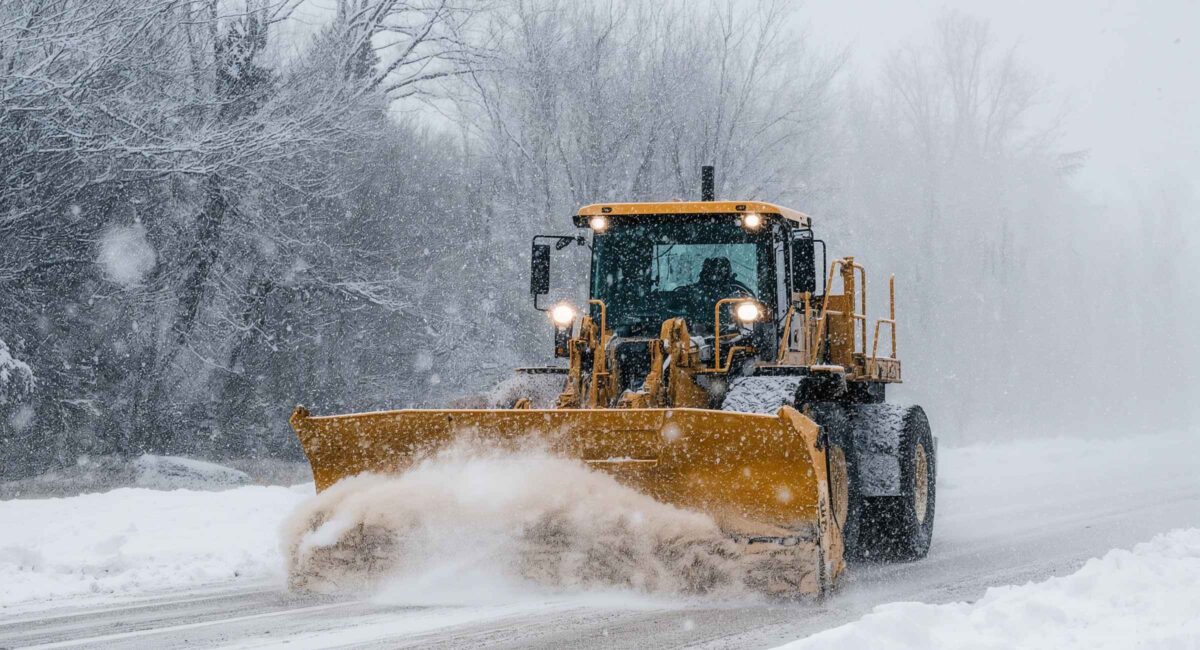
A historic late-winter blizzard has blanketed Massachusetts in heavy snow, knocked out power to hundreds of thousands of residents, forced widespread school cancellations, and prompted a South Coast travel ban as dangerous road conditions persist. In Boston, snow totals have already surpassed a foot in many neighborhoods, with some communities seeing over 30 inches, and officials warn that power restoration and cleanup may take several days.
Why This Blizzard Is So Severe
This isn’t a typical winter storm. Officials and meteorologists describe the system affecting Massachusetts as a powerful nor’easter with blizzard conditions — combining:
- Heavy snow at high rates
- Sustained strong winds
- Near-whiteout visibility
- Fallen trees and downed power lines
The National Weather Service and local forecast models warned that some areas could see snow accumulation rivaling historic storms such as the Blizzard of 1978.
This system has also been compared to a bomb cyclone — a storm where surface pressure rapidly drops and intensifies — meaning both snow and wind delivered unusually extreme conditions for February.
Massachusetts Snow Totals: City & Regional Breakdown
Confirmed snow totals across Greater Boston and southeastern Massachusetts include:
- Boston (Logan Airport): ~17 inches
- Fall River: ~41 inches
- New Bedford: ~37 inches
- Westport: ~36 inches
- North Plymouth & Kingston: ~36 inches
- Whitman: ~34 inches
- Brockton & Bridgewater: ~31 inches
- Milton & Randolph: ~24–25 inches
These totals are based on official reports from the National Weather Service, local stations, and aggregated observers across southeastern Massachusetts.
Boston’s snow total alone — already above a foot — contributes to one of the snowiest single storms in recent decades. Local communities across the South Shore, North Shore, and Cape Cod have reported even higher amounts as bands of heavy snow rotated through.
Power Outages Across the State — Real-Time Map Snapshot
As of the most recent outage data:
- Hundreds of thousands of customers are without electricity in Massachusetts.
- Eversource reported over 233,000 outages alone.
- National Grid added tens of thousands more.
- Outages peaked near 290,000 customers state-wide.
These figures are reflected in real-time outage maps that utility providers and emergency management use to prioritize restoration. Officials warn that full power restoration in the hardest-hit locations may take 3–5 days once winds ease and crews can safely access downed lines.
Travel Ban for Massachusetts South Coast — What You Must Know
Massachusetts Governor Maura Healey issued an executive order imposing a travel ban for non-essential vehicles on the South Coast and southeastern counties — including:
- Bristol
- Plymouth
- Barnstable
- Dukes
The ban is intended to:
- Keep roads clear for plow crews and emergency responders
- Prevent vehicles from getting stranded
- Reduce additional hazards during peak blizzard conditions
Vehicles supporting public safety, utilities, freight of critical supplies, and emergency medical transport are exempt. The travel ban will remain in effect until highway officials determine road conditions are safe.
On major thoroughfares like the Massachusetts Turnpike, the posted speed limit has been reduced significantly to improve safety for essential travel.
School Cancellations & Closures — Boston and Beyond
Due to the extreme weather and widespread outages:
- Boston Public Schools canceled classes
- Numerous suburban districts — Brookline, Cambridge, Chelsea, Everett, Newton, and Somerville — also closed
- Some districts extended closures through Tuesday as cleanup and restoration operations continue
Transportation challenges, unsafe sidewalks, and ongoing power issues were cited as reasons for further closures, including concerns about late buses and student safety during extreme temperatures.
In neighborhoods where outages are widespread, parents and school administrators are tracking conditions closely — county by county — to reassess potential reopenings. Community discussions (e.g., local weather forums) reflect high likelihoods of snow days extending beyond Tuesday in many areas.
Flight and Transit Disruptions — A Regional Story
The blizzard didn’t respect state borders:
- Thousands of flights were canceled or delayed across Logan and regional airports
- Rail services, including Amtrak and commuter lines, have reported suspensions
- Road travel advisories and bans have slowed highway travel statewide
The Northeast Corridor collectively saw tens of thousands of travel cancellations as the storm’s footprint stretched from New Jersey into Maine.
Public Safety Response and Emergency Operations
Massachusetts and local municipalities have:
- Declared states of emergency
- Deployed additional snow clearance teams
- Set up warming centers for residents without power or heating
- Coordinated with utility companies from neighboring states to bring in extra crews
Governor Healey and state emergency officials emphasized that crews cannot make meaningful progress until wind speeds decrease and roads are passable, a real-world constraint during such storms.
Residents are urged to:
- Stay home if possible
- Avoid downed power lines
- Report outages via official utility channels
- Use designated warming spaces if their homes lose heat
Safety Tips for Ongoing Blizzard Conditions
Based on utility advisories and emergency management guidance:
- Never touch downed power lines — assume they are live.
- Use generators outdoors and away from windows to prevent carbon monoxide poisoning.
- Check on vulnerable neighbors early and often.
- Prepare supplies for potential multi-day outages — food, water, medications, and chargers.
- Stay informed via official updates from MEMA and utility outage maps.
This is a long-haul winter event, not a quick burst of snow — and planning accordingly can prevent injuries and further strain on first responders.
Editorial Perspective — What This Blizzard Means for Massachusetts
From experience covering New England winter emergencies, this snowstorm stands out for two intertwined reasons:
- Intensity of snowfall combined with coastal wind gusts
- Widespread infrastructure impacts — particularly on power and mobility
Massachusetts hasn’t seen a storm with this combination of heavy snow, strong winds, and travel restrictions in years. When streets are blocked, power lines are down, and entire communities are effectively immobilized, the consequences ripple through daily life — from disrupted supply chains to schools to emergency healthcare access.
This blizzard is a sobering reminder that even in historically snowy regions, extreme weather demands respect and planning — and that public safety orders like travel bans are not simply precautionary, they are necessary to save lives.
Conclusion — Current Status and What’s Ahead
Boston Snow & Blizzard 2026 Snapshot:
- Snowfall measured in feet, not inches, across metropolitan and coastal Massachusetts.
- Hundreds of thousands remain without power as of the latest utility reports.
- School cancellations continue, with many districts extending closures.
- A travel ban remains active along the South Coast and related counties.
Officials urge patience — restoration efforts and cleanup are subject to weather conditions, safety concerns for crews, and road accessibility.
For residents, the best strategy remains: stay informed, stay indoors, and prioritize safety over convenience as Massachusetts digs out from this historic storm.