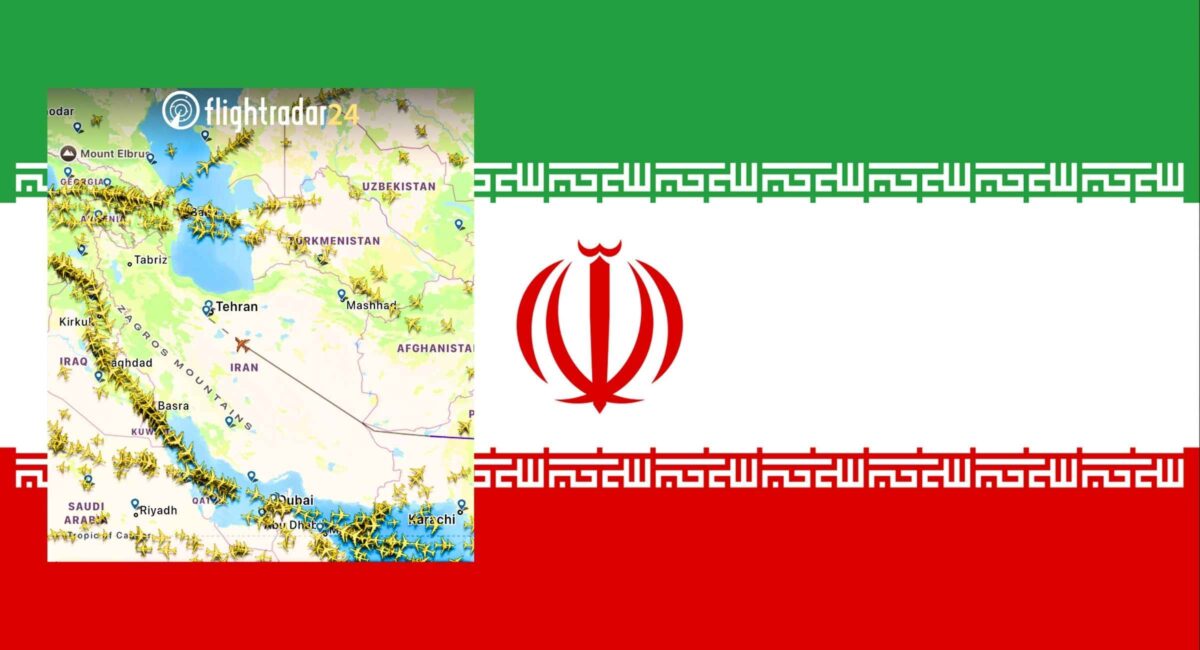
The regional powder keg that has been smoldering since late February just saw its most dangerous flare-up yet. On Saturday, March 7, 2026, Saudi Arabian air defense units successfully intercepted and neutralized a multi-vector Iranian assault involving ballistic missiles, cruise missiles, and a swarm of “kamikaze” drones. The primary target: Prince Sultan Air Base (PSAB) in Al-Kharj, a critical hub currently hosting over 2,200 U.S. airmen and soldiers, along with advanced Patriot and THAAD missile defense batteries.
As of March 7, 2026, Saudi Arabia has successfully downed two ballistic missiles and a cruise missile targeting Prince Sultan Air Base, alongside 16 drones aimed at the Shaybah oil field. This marked the third consecutive day of attempted strikes on the Al-Kharj industrial zone. Despite a televised apology earlier today from Iranian President Masoud Pezeshkian regarding “miscommunications” with neighbors, the Islamic Revolutionary Guard Corps (IRGC) appears to be operating on a “decentralized” and aggressive footing, continuing to target U.S. assets hosted on sovereign Saudi soil.
The Battle of Al-Kharj: Intercepting the “Retaliation”
Having covered Middle Eastern defense logistics for over a decade, I can tell you that the density of the sensor network around Riyadh and Al-Kharj is arguably the highest in the world right now. This morning’s success wasn’t just luck; it was a high-stakes demonstration of the Joint Strategic Defense Agreement between Saudi Arabia and its allies.
The Attack Timeline: Saturday, March 7
- 02:59 AST: Saudi Ministry of Defense (MoD) confirms the first wave of 16 drones intercepted over the Empty Quarter (Rub’ al Khali). These were tracking toward the Shaybah “super-giant” oil field.
- 03:15 AST: Two ballistic missiles and a cruise missile, launched from Iranian territory, are identified by early-warning systems.
- 03:22 AST: Saudi interceptors (likely the PAC-3 Patriot variant) successfully “neutralize” both threats before they reach the perimeter of Prince Sultan Air Base.
- 04:00 AST: Major General Turki Al-Maliki, MoD spokesperson, confirms the “interception and destruction” of the projectiles, noting no casualties or material damage to the base.
(For context, Prince Sultan Air Base is the lynchpin for the U.S. 378th Air Expeditionary Wing. If a single missile had hit the barracks or the tanker refueling wing, we wouldn’t be talking about “intercepts”—we’d be discussing a direct declaration of war between the U.S. and Iran.)
The Diplomatic Paradox: Pezeshkian’s Apology vs. IRGC Aggression
The most surreal aspect of today’s escalation is the disconnect within the Iranian leadership. Just hours before the missiles were fired, President Masoud Pezeshkian stood before cameras in Tehran to issue a historic apology to Saudi Arabia and the UAE.
Why the Strikes Continue
- Independent Command: Iranian Foreign Minister Abbas Araghchi admitted that IRGC units are operating “independently” following the death of the Supreme Leader on February 28. This suggests a dangerous “broken chain of command.”
- The “Launchpad” Clause: Pezeshkian’s promise to halt strikes on neighbors came with a massive caveat: unless an attack on Iran originates from those countries. Since the U.S. is using bases in the Gulf to support Operation Epic Fury, the IRGC still views these sites as legitimate targets.
- Trump’s Pressure: President Donald Trump’s recent demand for “unconditional surrender” and his “MIGA” (Make Iran Great Again) rhetoric has likely cornered the IRGC hardliners into a “fight to the finish” mentality.
Regional Fallout: Oil, Aviation, and Allies
The economic shrapnel from these strikes is hitting global markets hard.
Energy Security at Risk
The targeting of the Shaybah oil field—one of the world’s most remote and vital energy assets located in the Empty Quarter—is a clear message. While Saudi defenses held firm, the mere attempt has kept Brent Crude prices volatile. If the IRGC successfully hits a “super-giant” field, the $200 per barrel predictions we’ve seen recently might look optimistic.
Aviation Chaos
Dubai International (DXB) remains in a state of flux. While authorities confirmed a “minor incident” involving falling debris from an interception, they denied social media reports of a direct hit on the airport. However, the continued missile activity has turned the region’s airspace into a high-risk zone for Western carriers.
Summary and Editorial Outlook
The interception at Prince Sultan Air Base is a tactical victory for Saudi Arabia and the U.S., but it signals a strategic nightmare. We are witnessing a fragmented Iranian state where the civilian leadership seeks an exit ramp while the military apparatus continues to pull the trigger.
From my perspective, the coordination between Saudi Arabia and allies (including a recent meeting with Pakistani Army Chief Asim Munir) suggests Riyadh is preparing for a long-term defensive posture. As the U.S. “surges” its firepower—having already struck over 3,000 targets—the risk of a miscalculation on the ground in Al-Kharj remains the highest it has been in forty years.