In the eighth consecutive day of unrest across Iran, the death toll from the 2026 protests has climbed to at least 16, according to multiple rights groups tracking the demonstrations that erupted late December in response to a deepening economic crisis and the collapse of the rial. Human Rights Activists News Agency (HRANA) and Kurdish rights group Hengaw reported that at least 16 people have been killed and more than 580 arrested nationwide as security forces clamp down on demonstrators, though some local activist counts place the toll slightly higher and approach 1,000 detentions as clashes persist. The protests have spread widely, with demonstrations reported in over 200 locations across more than two dozen provinces, reflecting broad frustration with inflation, unemployment and declining living standards.
The unrest began with bazaar traders and shopkeepers in Tehran closing businesses in protest over surging prices and a plunging currency, which has lost significant value against the dollar and fueled sharp increases in food and essential costs. Students, laborers and ordinary citizens quickly joined mass gatherings in major cities including Tehran, Isfahan, Shiraz, and Yazd, turning initially economic protests into sustained national demonstrations. Reports indicate that people of diverse ages — from teens to middle‑aged workers — have been among the casualties and those injured by pellet, plastic and live ammunition used by security forces.
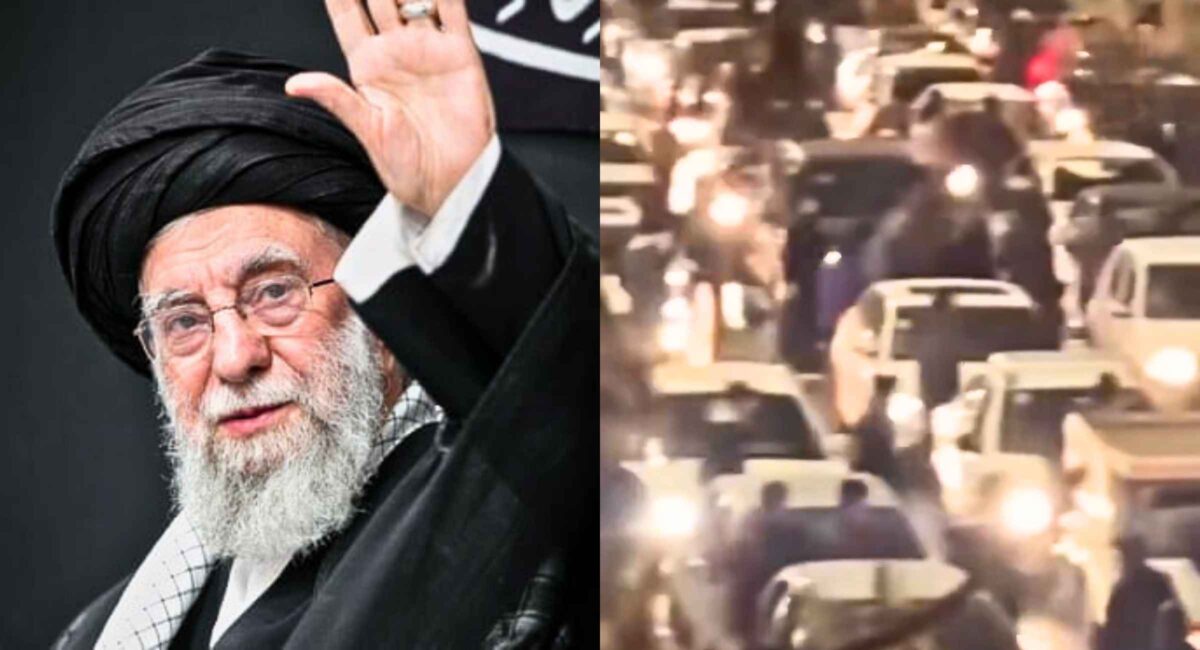
Iran’s political leadership has offered sharply contrasting narratives about the unrest. Supreme Leader Ayatollah Ali Khamenei has publicly condemned so‑called “rioters,” insisting they “must be put in their place” while framing the protests as influenced by foreign enemies, and promising that the Islamic Republic will not yield to what he describes as external interference. His comments, broadcast on state media, came even as official government sources appeared to acknowledge the economic basis for public grievances without directly conceding to protesters’ demands. President Masoud Pezeshkian has called for a more conciliatory approach, at times urging dialogue and acknowledgement of hardships, though hardliners have pushed for a stricter crackdown.
Security force actions in response to the demonstrations have been intense. Police and the paramilitary Basij militia have engaged in mass arrests, especially targeting individuals cited as protest leaders on social media, while activists report widespread beatings, detentions in cities like Yazd, Kermanshah and Shiraz, and injuries from crowd‑control measures. Independent reporting remains difficult due to intermittent internet disruptions and restrictions on foreign journalists, but local human rights networks continue to collect data suggesting that the toll of deaths and arrests may be rising as protests enter their second week.
The backdrop to this unrest is Iran’s protracted economic turmoil: inflation has soared above 40 %, the rial has plunged sharply, and purchasing power has eroded, amplifying public frustration with long‑standing economic stagnation, job insecurity, and shortages of basic goods. Many demonstrators have voiced broader political discontent, including criticisms of the clerical leadership and calls for systemic change. The unrest is widely viewed as the largest and most sustained since the 2022 Mahsa Amini protests, though analysts note key differences in causes and composition, with today’s wave driven primarily by economic despair as well as political grievances.
International reactions have been mixed but notable: voices in Western capitals have expressed concern over rising casualties and urged restraint, while Tehran has rebuffed allegations of excessive force and blamed unrest on alleged foreign meddling. U.S. statements of support for peaceful demonstrators have drawn warnings of retaliation from Iranian officials, further complicating diplomatic tensions. As the protests continue, the situation remains fluid, with potential implications for Iran’s internal politics, regional stability, and its already beleaguered economy.