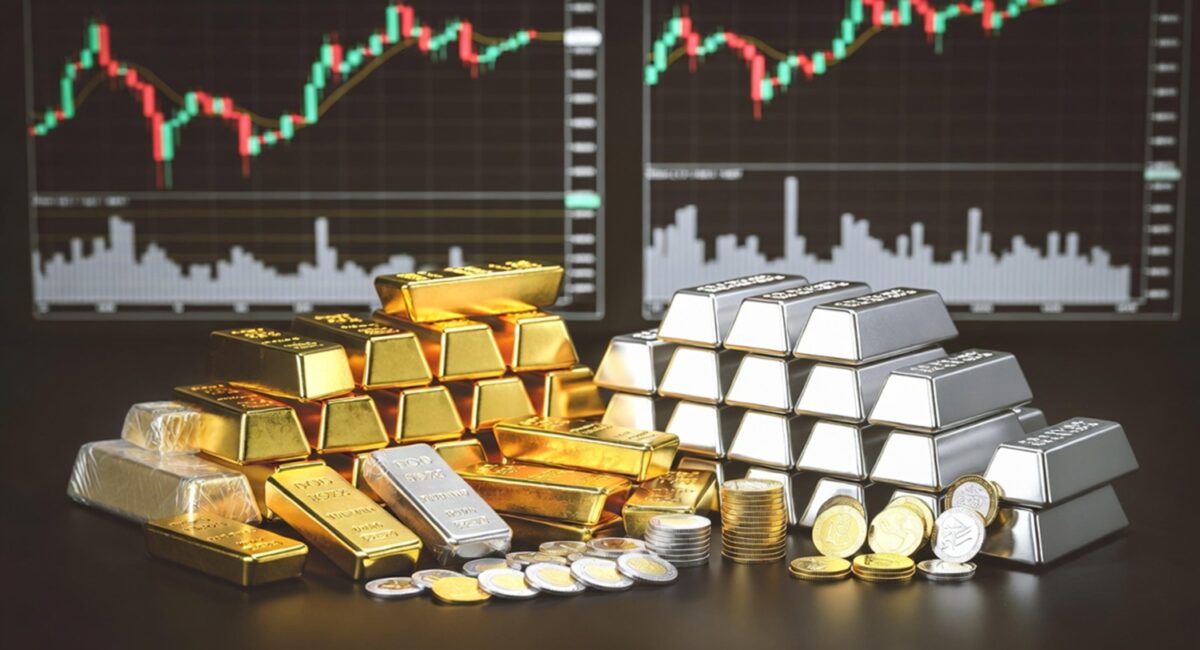
On January 26, 2026, the gold price today surged to an unprecedented all-time high above $5,000 per ounce, driven by a powerful flight to safety amid rising geopolitical tensions, a weakening U.S. dollar and broad market unease. This historic milestone shattered psychological resistance levels and reverberated through global stock markets — pushing equities lower, sparking a speculative rally in silver above $100 per ounce, and prompting investors to reassess risk portfolios. The surge reflects decades-high demand for precious metals as a hedge against economic uncertainty and potential policy shifts.
Key Verified Metrics (January 26, 2026)
- Gold broke $5,000+ per ounce for the first time.
- Silver hit new records above $100 per ounce.
- Stock futures softened in response to risk-off flows.
What’s Driving Gold’s Record Surge Today
Gold’s leap past $5,000 per ounce (briefly touching intraday peaks around $5,092–$5,110) represents the first time in history this milestone has been achieved. That’s not just a market metric — it’s a barometer of confidence in the global economic backdrop.
Several verified factors have converged to power this extraordinary rally:
1. Geopolitical Turmoil & Risk Aversion
Heightened global tensions — including trade disputes, tariff threats, and geopolitical instability — have magnified investor risk aversion. As a result, capital has flowed aggressively toward gold, the archetypal safe-haven asset.
2. Weakness in the U.S. Dollar
A notable decline in the dollar against major currencies (notably the yen and euro) has amplified gold’s appeal. A weaker dollar makes dollar-priced assets like gold more attractive internationally.
3. Safe-Haven Demand Amid Equity and Bond Stress
Stock market sentiment has turned cautious, with key indices under pressure and futures signaling softer openings — a classic precursor to increased precious metal buying.
4. Central Bank & ETF Inflows
Sustained purchases by central banks (with China leading demand) and heavy inflows into gold-backed exchange-traded funds have buoyed prices, cementing gold’s role as a portfolio diversifier.
Gold Price Today: Precise Levels & Silver’s Run
As of trading on January 26, 2026:
- Spot Gold: Above $5,080–$5,090 per ounce in many international markets, including COMEX futures.
- Silver: Surged well above $100 per ounce, breaking prior records and narrowing the gold-to-silver ratio dramatically.
This simultaneous rally in gold and silver underscores broad risk repricing across precious metals — not just an isolated spike.
Stock Market Reaction: Equities and Safe Havens
Such a dramatic surge in gold — a traditional hedge — has cooler implications for risk assets. Stock markets, particularly in the U.S., reflected this with softer trading:
- U.S. stock futures slumped as investors priced in risk aversion and risk-off positioning (with indices like the Dow Jones and S&P futures declining).
- Tech earnings and a looming Federal Reserve decision added to market caution, intensifying the flight to safety.
This pattern — rising gold, falling equities — is often observed in risk-off environments, where uncertainty trumps growth optimism.
Why This Rally Matters: Historical Perspective
Gold’s rally to over $5,000 per ounce extends a remarkable multi-year ascent:
- Gold climbed roughly 64% in 2025, its strongest annual surge since 1979.
- This January alone, the price is up double-digit percentages year-to-date, reinforcing the persistence of bullish momentum.
To put this in perspective: just two years ago, gold sat closer to $2,000 per ounce, illustrating how dramatic the rally has been.
Investor Behavior: Fears, Flows, and Forecasts
Professional strategists are framing this as more than a short-term spike:
- Some sell-side analysts (including Bank of America and Goldman Sachs) have revised year-end targets above current levels, signaling confidence that this trend has structural drivers.
- Forecasts for gold reaching $5,400–$6,000 per ounce by later in 2026 are now common among commodities strategists, reflecting a blend of macro pressure and persistent demand.
Whether this marks the beginning of a new era for precious metals or a cyclical peak will depend on geopolitical developments, monetary policies and currency valuations.
Silver’s Surge: A Companion Rally
Silver isn’t just tagging along — it’s outperforming in percentage terms relative to gold:
- Silver crossed $100 per ounce, narrowing the gold-to-silver ratio significantly.
- Analysts point to industrial demand (especially tied to AI and green technologies) combined with safe-haven flows as key drivers.
This dual rally enhances the narrative that precious metals are in broad demand, not merely niche haven plays.
What This Means for Investors & Markets
1. Portfolio Rebalancing
Investors heavily weighted in equities or bonds may increasingly reallocate into gold, silver and other havens to manage volatility. However, timing and risk remain critical — precious metals are not without short-term fluctuations.
2. Currency & Central Bank Policy Interactions
Gold’s rise often correlates with weaker faith in fiat currencies — especially when central banks pursue dovish policies or when fiscal uncertainty spikes.
3. Bonds and Interest Rates
Gold’s ongoing strength can be tied to bond market stress and real yield compression: as real interest rates dip, gold becomes relatively more attractive.
Risks and Counterpoints
No asset class is immune to reversal pressures:
- A sudden policy shift from the Federal Reserve (e.g., hawkish pivot) could trigger profit-taking in gold.
- Strengthening risk appetite on geopolitical resolutions would shift capital out of havens back into equities.
Investors should weigh long-term fundamentals against short-term volatility.
Conclusion: Gold Price Today’s Historic Impact
Gold’s breakout above $5,000 per ounce on January 26, 2026 is more than symbolic — it’s a structural signal. Amid unprecedented geopolitical stress, currency weakness, and market anxiety, investors are prioritizing safety in a way not seen in decades. Silver’s rally, central bank buying, and stock market reactions all reinforce the narrative: precious metals have become key anchors in a turbulent global financial environment. The coming months will test whether this trend solidifies into a sustained regime or corrects as markets absorb macro data and policy shifts.