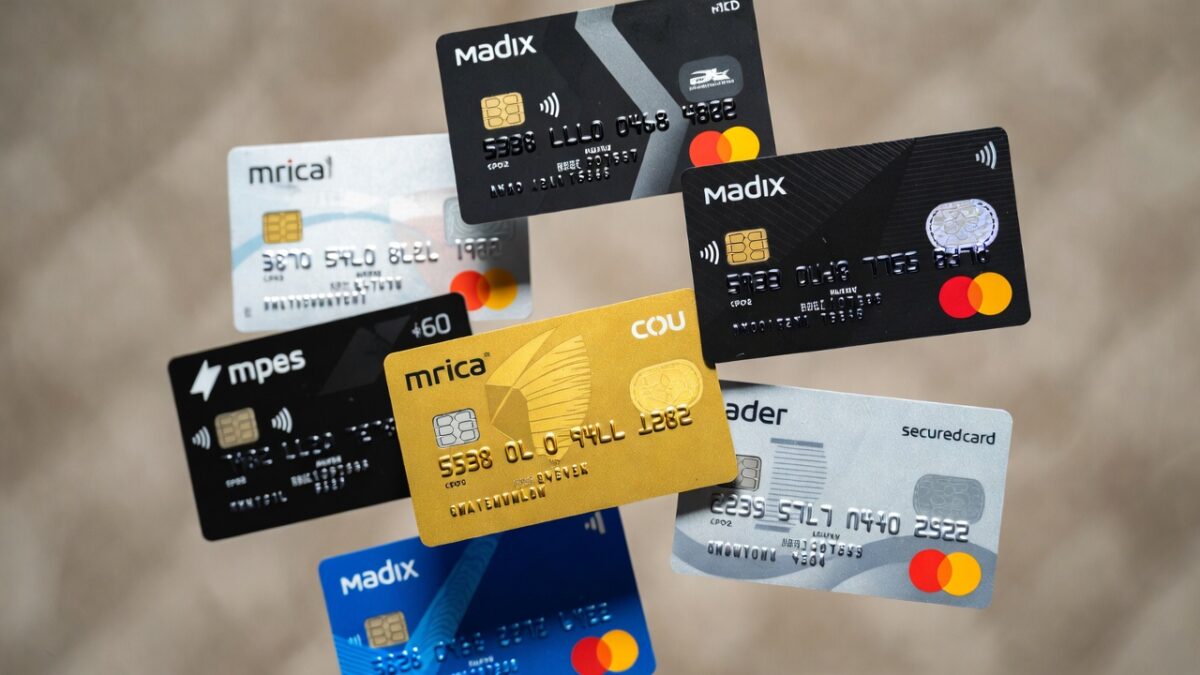
If you’re new to credit or trying to recover from a low score, it’s frustrating to see good cards locked behind high credit requirements or steep deposits. The good news? There are no-deposit credit card options that report to the bureaus and help you build credit — some unsecured, some with flexible terms. Below, I’ve hand-curated the most reliable no-security-deposit cards for 2026 based on up-to-date issuer policies and industry reporting.
For beginners with no or bad credit who want no security deposit, the best credit cards in 2026 include Petal® 1 Visa® (no fees, unsecured), Petal® 2 Visa® (cashback, unsecured), Capital One Platinum Credit Card (unsecured, easy approval path), Chase Freedom Rise® (no history needed, unsecured), Zolve Classic Credit Card (international-friendly, unsecured), and second-chance cards like Credit One Bank® Platinum Visa® or Prosper® Card (bad credit acceptances) — all of which report payments to the three major credit bureaus, which is essential to build credit fast.
How “No-Deposit” Cards Help Build Credit (Quick Primer)
For beginners with bad or nonexistent credit, credit bureaus (Experian, Equifax, TransUnion) have no payment history to score you. Credit cards help you get that history only when the issuer reports your activity. That’s why:
- Any card that doesn’t report won’t help your score.
- No hard security deposit doesn’t mean no requirements at all — you may need steady income or alternative data.
- On-time payments matter far more than credit limits.
In practice, “no-deposit” historically meant unsecured cards — but some secured cards have flexible structures that feel deposit-free too because the deposit is tied to a checking/savings product rather than locked away.
Best No-Deposit Credit Cards in 2026 (For Building Credit Fast)
Below are the highest-value, verified options for people with no or damaged credit. These cards don’t require a traditional security deposit or have minimal barriers — and they report to all three bureaus, which is non-negotiable for credit building.
1. Petal® 1 “No Annual Fee” Visa® Credit Card — Best Overall No-Deposit Starter
Why it stands out:
- Unsecured; no security deposit required.
- Doesn’t rely solely on credit score; uses income/banking history.
- No annual fees, no foreign transaction fees.
- Reports to all three major credit bureaus.
Ideal for:
Beginners with no credit or thin credit file who want a straightforward card.
Real-World Note:
Unlike most starter cards that hinge on a security deposit, issuers like Petal look at banking behavior — e.g., how long you’ve managed your checking account — which can unlock approval where typical credit-based products fail.
2. Petal® 2 “Cash Back, No Fees” Visa® Credit Card — Best for Rewards + Credit Building
Key details:
- Unsecured; no deposit.
- 1% cash back, up to 1.5% after 12 on-time payments.
- Reports to all three bureaus.
- No annual fee.
Why this matters:
If you’re responsible with spending, you not only build credit, but you earn cashback — a rare combo for no-deposit cards.
Caveat:
Approvals still depend on at least some positive financial profile, e.g., income and bank account history.
3. Capital One Platinum Credit Card — Easy Unsecured Approval Path
Features:
- Unsecured card with no security deposit.
- No annual fee.
- Automatic consideration for higher credit limit after 6 months of on-time payments.
- Reports to all three bureaus.
For whom:
People with limited or fair credit (not necessarily bad) who want a simple, no-deposit card that strengthens their profile over time.
Editorial Insight:
From years covering consumer credit trends, I’ve seen this card approved for people after a soft pull — meaning your score won’t be dinged just from applying.
4. Chase Freedom Rise® — No History Needed, No Deposit
Highlights:
- Unsecured card; no deposit or credit history required.
- $0 annual fee.
- Earn a flat rate on purchases (varies by current rates).
- Reports to all three major bureaus.
Why it’s unique:
Chase designed this card for new credit seekers — including recent immigrants and those without Social Security numbers — which is rare among major issuers.
5. Zolve Classic Credit Card — Great for New To Country / No File
Notable features:
- Unsecured; no security deposit.
- Designed for international newcomers — you can apply even without a Social Security number.
- Reports to all three credit bureaus.
Who should consider this:
New residents in the U.S. or anyone who hasn’t established a local credit file yet — a common stumbling block that Zolve helps bypass.
6. Second-Chance Cards: Credit One Bank® Platinum Visa® & Prosper® Card
When credit is actively bad (e.g., sub-580 scores), traditional unsecured approvals are harder — but these cards still qualify you:
Credit One Bank® Platinum Visa® for Rebuilding Credit
- Unsecured; no deposit.
- Earns 1% cashback on select categories.
- Annual fee applies (typically first year lower).
- Reports to major bureaus.
Prosper® Card
- Unsecured; no deposit.
- Lower annual fee (often waived first year via autopay).
- Reports to bureaus.
- Credit line $500–$3,000; partial instant access via digital wallet.
Important Reality Check:
These cards usually carry fees and higher APRs because issuers target riskier profiles. They still build your credit with on-time payments, but cost management matters.
7. Additional Unsecured Options Worth Monitoring (2026 Trends)
There are other unsecured, no-deposit cards marketed for thin/bad credit — e.g., Surge® Platinum Mastercard® — but these can come with very high APRs and fees. Evaluate them only if you’ve exhausted other options and always compare cost vs. benefit.
How to Choose the Right No-Deposit Card (Editor’s Checklist)
Here’s my practical framework from covering consumer finance for over a decade:
A. Confirm Reporting
A card must report to Experian, TransUnion, and Equifax — otherwise, you won’t build credit.
No reporting = no impact on your FICO/VantageScore.
B. Check Fees
Even no-deposit cards may still have annual fees, foreign fees, or APR penalties. Lower is generally better when building.
C. Understand Approval Odds
Cards like Petal 1/2 use alternative underwriting (banking activity), improving your chances well beyond credit-score-only models.
D. Focus on Payment Discipline
Your credit score growth depends almost entirely on:
- Paying on time every billing cycle, and
- Keeping utilization below ~30% of your limit.
Insider Tips for Faster Credit Growth
Here’s what most beginners miss — and what can accelerate your profile:
- Use the Card Like a Debit Card
Only charge what you can pay off before the statement closes. On-time payment is the #1 score driver. - Link Auto-Pay When Possible
Many cards offer bonus features (like APR reductions or fee waivers) when autopay is on. - Check Pre-Approval Offers First
Major issuers like Capital One and Discover have soft-pull prequalifiers that don’t hurt your credit but show likelihood of approval.
(This tactic saves your score while you shop.) - Gradually Upgrade
After 6–12 months of perfect habits, many issuers will review your account for product upgrades — sometimes to a more premium, unsecured card.
What to Avoid with No-Deposit Cards
- Cards that don’t report to all three bureaus — they simply won’t build score.
- High annual fees with minimal benefits — you’re building credit, not chasing rewards yet.
- Maxing out your limit — utilization spikes hurt your score faster than payments help.
Conclusion: Fastest Path to Credit in 2026
You don’t need a hefty security deposit to start building credit. In 2026, the most credible no-deposit cards are Petal 1 Visa®, Petal 2 Visa®, Capital One Platinum, Chase Freedom Rise®, and Zolve Classic — all of which help establish payment history with minimal barriers. For those with very low credit, second-chance unsecured cards like Credit One Bank® Platinum Visa® and the Prosper® Card provide viable alternatives with the tradeoff of potentially higher fees.
From my years covering credit markets and consumer reporting trends, the single biggest differentiator isn’t which card you pick — it’s that you use it responsibly. Regular, on-time payments over 6–12 months can move you from “no file” to “good credit” status faster than almost any financial hack out there.