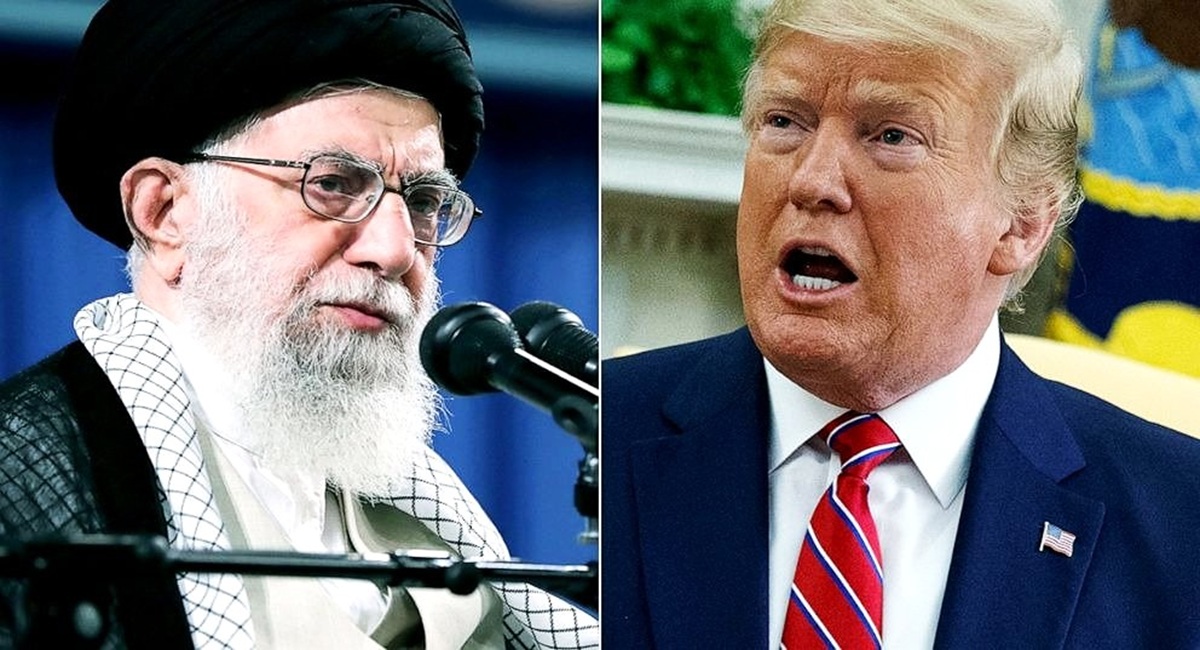
On Friday, February 6, 2026, the United States and Iran confirmed they will hold high-level nuclear negotiations in Muscat, Oman — a key shift after earlier disagreements over venue and agenda. The talks will focus on Iran’s nuclear program and U.S. demands to curb uranium enrichment, but Washington is also pushing to address Iran’s ballistic missile capabilities and regional proxy support (including armed groups in the Middle East). Despite deep mistrust between the two capitals, both sides agreed to proceed with the dialogue under Omani mediation, marking a critical — if fragile — diplomatic moment.
Why These Talks Are a Major Global Flashpoint
This negotiation isn’t just another diplomatic sit-down — it sits at the intersection of nuclear proliferation risk, Middle Eastern regional stability, and U.S.–Iran strategic rivalry that has spanned decades.
The Trump administration’s decision to agree to formal talks in Oman — despite intense debates over their terms — reflects both external pressure from regional partners and strategic calculus in Washington about the risks of unilateral military action vs. potential diplomatic breakthroughs.
Iran, for its part, has insisted the dialogue centre on sovereign nuclear rights and sanctions relief, refusing to budge on issues like ballistic missiles and proxy influence — two areas that the U.S. sees as critical to any sustainable agreement.
Background — How We Got Here
The history of U.S.–Iran nuclear diplomacy is long, fractious, and marked by breakthroughs followed by breakdowns:
Legacy of the 2015 Iran Nuclear Deal
The Joint Comprehensive Plan of Action (JCPOA) — agreed by Iran with the U.S., EU, and other powers in 2015 — placed limits on Tehran’s nuclear program in exchange for sanctions relief. But when President Trump first took office in 2017, he withdrew the U.S. from the deal, reinstating severe economic sanctions and implementing a “maximum pressure” campaign.
That policy shifted the framework for negotiation: diplomacy was replaced with confrontation, and talks stalled — particularly after Iran started exceeding enrichment levels permitted under the JCPOA.
Oman as the Diplomatic Bridge
Oman has emerged over multiple rounds of bureaucracy-heavy talks as the trusted interlocutor between Tehran and Washington, hosting numerous rounds of indirect negotiations since April 2025 aimed at narrowing differences.
The sequence of negotiations has often been:
- Indirect bilateral discussions (delegations not meeting directly, but communicating through mediators).
- Sessions staged in Muscat and Rome, with attempts at incremental progress.
What the 2026 Talks in Oman Will Cover
Nuclear Program and Uranium Enrichment
At the core of the discussions is Iran’s nuclear program and whether it can be constrained to acceptable levels that reassure the international community it isn’t weaponizing its technology.
U.S. negotiators are pushing for Iran to significantly limit uranium enrichment — and possibly to discontinue certain high-level enrichment capacities altogether. Tehran, however, has long maintained its right to pursue a peaceful nuclear energy program under the Nuclear Non-Proliferation Treaty, consistent with past negotiation positions.
Ballistic Missiles and Proxy Regional Influence
President Trump and U.S. officials are adamant that the talks should not be limited to nuclear matters alone. According to U.S. Secretary of State Marco Rubio, Washington wants the agenda expanded to include:
- Iran’s ballistic missile arsenal
- Support for proxy militant groups across the Middle East (such as the Houthis in Yemen and Lebanese Hezbollah)
Iran has pushed back against this, arguing that these issues are separate and should not be tied into nuclear negotiations.
What’s Driving the Diplomacy Now
Regional Pressure and Allies’ Concerns
Leaders from several Gulf Arab states have reportedly lobbied the Trump administration to avoid walking away from negotiations — urging diplomacy even while political disagreements remain deep. This pressure has helped keep the process alive, particularly the pivot to Oman as the venue.
The Wider Strategic Context
Several conditions make these talks uniquely urgent:
- Heightened regional tensions: Continued protests and government crackdowns inside Iran, coupled with U.S. military deployments in the region, have heightened instability.
- Threat of military escalation: Trump has publicly warned that failure at the negotiating table could lead to renewed military confrontation.
Areas of Deep Disagreement
Format and Location
Iran initially sought to move the talks from a multilateral setting in Istanbul to a strictly bilateral format in Oman, focusing solely on nuclear concerns rather than expanded security demands. The U.S. hesitated but ultimately agreed to the shift — a key concession that kept the talks from collapsing.
Ironclad Conditions
Iran has maintained red lines:
- No discussions on ballistic missiles or regional engagements as part of the nuclear deal.
- Asserting its sovereign right to enrich uranium, albeit controversially from a Western perspective.
U.S. negotiators, on the other hand, want a comprehensive deal that would:
- Cap or eliminate Tehran’s enrichment infrastructure
- Introduce intrusive verification
- Substantially limit overseas proxy activities
These differences are profound and go to the heart of whether an agreement can actually be reached.
What Happens Next? Stakes and Scenarios
Diplomacy Prevails — Potential Outcomes
If the talks make measurable progress:
- Sanctions relief could be negotiated, tied to verifiable nuclear constraints.
- Open channels might emerge for future dialogue on missiles and regional security.
Such a breakthrough could reduce the spectre of military escalation and stabilize volatile regional flashpoints.
Talks Stall — Risks Ahead
Should the talks stall:
- The U.S. could revert to a maximum pressure strategy, including increased sanctions or threats of force.
- Iran could accelerate its nuclear and missile programs, raising alarm among regional and global security stakeholders.
- Israel and other regional actors might intensify military options, potentially sparking broader conflict.
The risks are high: a breakdown could galvanize hardliners in both capitals and increase the likelihood of miscalculation.
Conclusion: A Fragile Diplomatic Thread
These U.S.–Iran nuclear talks in Oman — held on February 6, 2026 — represent one of the most consequential diplomatic engagements of the early 21st century. Against a backdrop of decades of mistrust, cyclical hostility, and geopolitical complexity, both sides have opted, for now, to sit in the same negotiating framework rather than embrace confrontation.
Yet vast divides remain: Iran insists on sovereignty and nuclear rights; the U.S. seeks comprehensive security guarantees, including constraints on missiles and proxy networks. Only time — and diplomatic ingenuity — will tell whether this fragile process can yield a tangible agreement, or whether the spectre of conflict will again eclipse the murky hope of diplomacy.