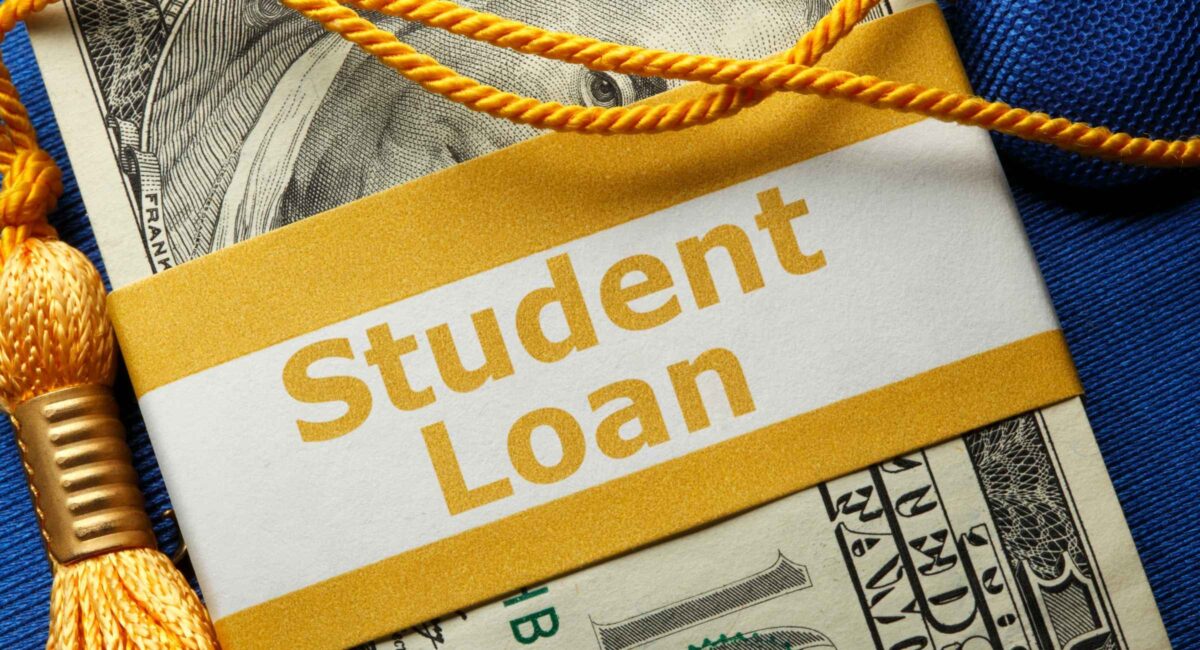
Student loans borrower defense is at a pivotal moment. After years of delay and legal wrangling, the U.S. Department of Education missed a court-ordered deadline of January 28, 2026 to decide a large backlog of Borrower Defense to Repayment claims. That failure — under the terms of the landmark Sweet v. Cardona / Sweet v. McMahon settlement — could trigger automatic student loan discharges and refund payouts for an estimated 200,000+ borrowers who applied for relief after alleged school misconduct but have not received decisions.
What Happens Now That the Education Department Missed the Deadline
Because the Education Department did not issue required decisions on Borrower Defense claims by January 28, 2026, post-class applicants — those who filed between June 22 and November 16, 2022 — are statutorily entitled to “full settlement relief”: automatic discharge of eligible student loans, refunds of prior payments, and correction of credit reporting unless the court intervenes. However, the department has filed motions asking courts to delay implementation, creating uncertainty about when discharges will actually appear in borrower accounts.
What the Borrower Defense Program Is — and Why It Exists
Origins in Law and Litigation
The Borrower Defense to Repayment program was created by Congress in 1994 to allow federal student loan borrowers to seek cancellation if their schools engaged in misconduct — such as misrepresenting job prospects, lying about costs, or falsifying credentials.
The Sweet v. Cardona settlement — later renamed Sweet v. McMahon — resolved years of complaints that the Education Department unlawfully stalled or improperly denied Borrower Defense applications. As part of that settlement, the department agreed to timelines for reviewing and approving claims for various groups of borrowers.
Who Is Affected by the Missed Deadline
Class Members vs. Post-Class Applicants
The settlement divides impacted borrowers into distinct categories:
- Class Members: Borrowers who filed on or before June 22, 2022, and attended specified schools with documented misconduct. These borrowers have largely received relief.
- Post-Class Applicants: Borrowers who filed their claims after June 22, 2022 but before the settlement was approved on November 16, 2022. The department was required by court order to issue decisions by January 28, 2026.
According to legal filings and reporting, post-class applicants number well over 200,000, many of whom were still waiting for decisions as the deadline passed.
Automatic Discharge: What It Means
Discharge of Debt and Refunds
Under the settlement, if the Education Department fails to act on a Borrower Defense application by the deadline, the borrower is entitled to “full settlement relief.” This includes:
- Elimination of the borrower’s federal student loan balance on the affected loan(s).
- Refunds of past payments made on those loans.
- Correction or removal of adverse credit reporting tied to the discharged debt.
This relief is not discretionary; it’s a contractual obligation under the settlement. If the government has defaulted by missing the deadline, automatic discharge should follow for qualifying borrowers.
Deadlines and Legal Requirements — A Complex Timeline
Court Orders and Department Requests
Originally, the department sought an 18-month extension — first to July 2027 — to process the final group of post-class applications, citing resource constraints and staffing issues. A judge denied that request for many cases tied to schools on a specified exhibit, keeping the January 28, 2026 deadline intact for them while giving later deadlines for others.
Despite this, the department filed a second motion asking for an extension beyond January 28, 2026, making the legal landscape uncertain even as the deadline has now passed. The court has not yet ruled on this second extension request.
Why the Deadline Matters: Financial and Personal Stakes
For many borrowers, student loan debt isn’t just numbers on a ledger — it’s a barrier to life decisions. Automatic discharge and refunds could:
- Boost credit scores by removing outstanding balances.
- Free up household budgets for rent, housing, transportation, or family planning.
- Allow borrowers to save for homes or retirement without a looming student debt burden.
Missed deadlines and delayed relief mean psychological and financial limbo for hundreds of thousands of people who have already waited years for resolution.
What Happens to Borrower Accounts Now
Status After January 28
Because the Education Department missed the deadline:
- Borrower accounts may not yet show discharges — many servicers and systems require coordination between the department and servicers before updates appear.
- Affected borrowers should watch their StudentAid.gov and loan servicer accounts for status changes and discharge notifications.
However, no mass automatic updates have been reported as of late January 2026 — likely because of ongoing legal uncertainty and the department’s attempts to secure extensions.
Potential Legal Scenarios Moving Forward
1. Automatic Enforcement
If a court affirms the settlement language without granting an extension, the department will be required to discharge eligible loans immediately and issue refunds without further decisions.
2. Delayed Implementation
If the court grants the department’s request for a deadline extension — to July 2027 or another date — borrowers may not see relief until that new deadline, even though they were arguably entitled to it under the original settlement terms.
3. Partial Compliance
A hybrid outcome could see automatic discharges for certain schools or categories but continued processing on others, depending on how the court structures its order.
What Borrowers Should Do Next
Monitor Accounts Closely
Borrowers should check:
- StudentAid.gov account dashboards for “Discharge Completed” status updates.
- Loan servicer portals (e.g., Nelnet, MOHELA) for balance changes or adjustment notifications.
- Credit reports for corrections or removal of previously reported debt.
Document Everything
Save screenshots of balances, communications, and deadlines — especially given the ongoing litigation and potential further delays.
Stay Informed Through Legal Groups
Organizations like the Project on Predatory Student Lending (PPSL) are actively representing borrowers and posting updates on deadlines, filings, and court rulings.
Broader Impacts on Student Loan Policy
The turmoil over the missed deadline underscores persistent challenges in student loan administration and accountability. Even with legal victories and settlement agreements, operational capacity — including staffing and resource allocation — plays a central role in how and when relief reaches borrowers.
It also highlights that borrower defense — unlike programs such as SAVE or Public Service Loan Forgiveness — remains deeply tied to litigation and court enforcement rather than simply administrative rollout.
Conclusion: A Crucial Juncture for Student Loan Borrowers
The missed January 28, 2026 deadline is more than a procedural slip — it’s a legal trigger that could fundamentally change the lives of hundreds of thousands of student loan borrowers. Under the Sweet settlement’s plain language, automatic loan discharges, refunds, and credit corrections should follow. But with the Education Department seeking extensions and courts weighing requests, the timeline for relief is still unresolved.
For borrowers, this moment is both a potential victory and a waiting game — one where legal clarity and administrative action must finally converge to deliver relief long overdue.