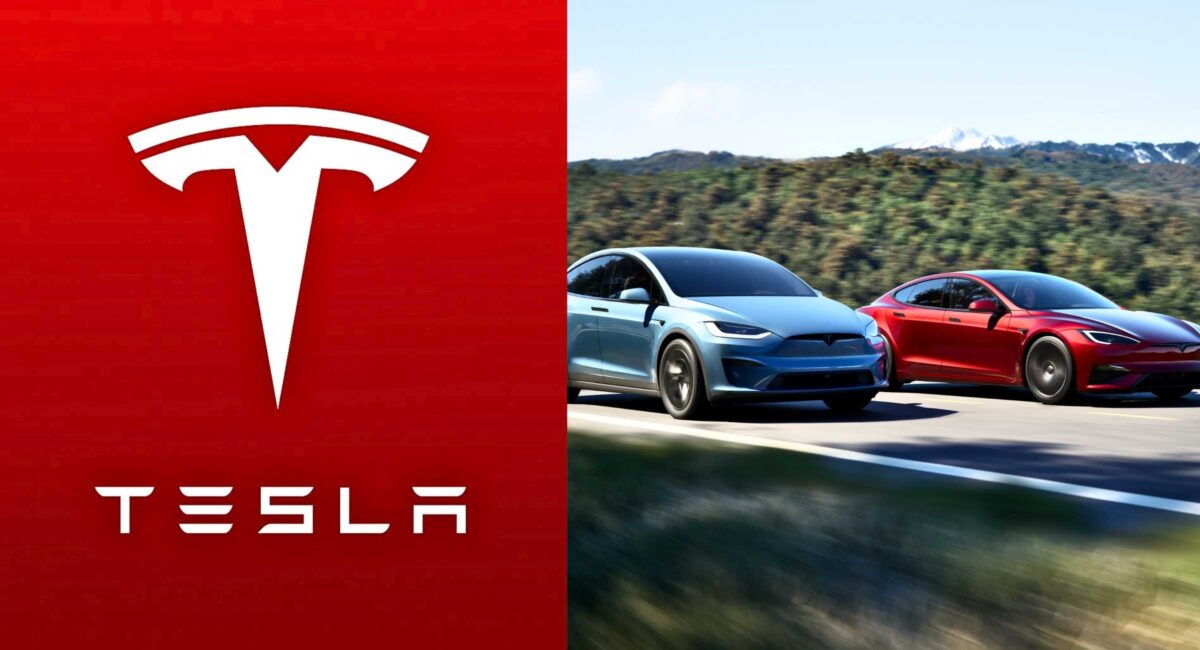
In a definitive turning point for the electric-vehicle pioneer, Tesla — led by CEO Elon Musk — announced it will discontinue production of its flagship luxury vehicles, the Model S and Model X, by mid-2026. The decision, confirmed during Tesla’s Q4 2025 earnings call, comes as part of a larger strategic pivot to robotics and autonomous technology, notably the mass production of the Optimus humanoid robot and expansion of robotaxi programs — reshaping the company’s identity and reverberating across TSLA’s stock price and investor expectations.
Key Takeaways
- Tesla will stop Model S and Model X production by mid-2026, repurposing the Fremont factory for Optimus humanoid robots and autonomous tech.
- The move reflects declining sales of the flagship models and the company’s pivot to robotics and AI products.
- TSLA stock reacted positively to the future-oriented strategy despite weak vehicle revenue.
- Long-term success hinges on execution of robot production and autonomous services.
Why Tesla Is Ending Model S and Model X Production
Tesla is ending production of the long-standing Model S sedan and Model X SUV in Q2 2026 as part of a strategic overhaul that shifts manufacturing capacity from traditional EV assembly to Optimus humanoid robots and AI-driven transportation products. Production space at the Fremont, California factory will be retooled to build robots and support next-generation autonomous tech while Tesla continues to focus on its high-volume models — Model 3, Model Y — and new offerings like the Cybercab robotaxi concept. This decision reflects both declining sales of S/X units and Tesla’s ambition to diversify beyond cars into robotics and autonomous mobility.
A Legacy Model Retired: The End of Model S & Model X
Why It’s Significant
The Model S, introduced in 2012, was Tesla’s flagship performance sedan and helped define the electric-vehicle revolution by proving EVs could be aspirational and practical. The Model X, arriving in 2015, brought futuristic features like falcon-wing doors and positioned Tesla in the luxury SUV segment. Together, they symbolized Tesla’s early era of innovation and built much of its brand cachet.
Declining Volume and Strategic Shift
- The combined deliveries of Model S and Model X accounted for a small fraction of Tesla’s total output, with sales volume eroding as more affordable models remained dominant. In recent reporting, “other models” (including Model S, Model X, and Cybertruck) were less than 3% of deliveries — a stark contrast to the Model 3 and Model Y, which made up the bulk of Tesla’s global sales.
- Facing this market reality, Musk characterized the phase-out as an “honorable discharge,” but framed it as vital for reallocating resources toward autonomy and robotics — areas Tesla believes will define its future.
From Automobiles to Robots: What’s Next at Fremont
Optimus Humanoid Robot Production
Perhaps the most headline-grabbing aspect of this pivot is Tesla’s decision to convert the Model S/X production lines in the Fremont factory into a mass-production facility for its Optimus humanoid robots. The goal, according to Tesla leadership, is to eventually produce up to 1 million units annually of Optimus by leveraging this repurposed space.
This shift isn’t symbolic — it represents Tesla’s evolution from an automaker to what Musk often calls a “physical AI company,” where robotics and artificial intelligence form the core of its long-term growth strategy.
Robotics and Robotaxi Expansion
Tesla’s ambitions extend beyond humanoid robots. The company is also prioritizing the development of its robotaxi program, including the Cybercab — an autonomous vehicle designed without traditional driver controls — and aiming for future deployment in major urban markets. This ties into Tesla’s broader vision of reducing human intervention in transportation.
Financial Context: TSLA Stock and Market Reaction
Earnings Signals Mixed Fortunes
Tesla’s 2025 financials showed a notable landscape shift:
- Full-year revenue experienced a decline compared to the previous year, marking the first such dip since the pandemic, driven in part by waning sales of premium models like Model S and Model X.
- Despite this, energy storage and software revenue segments delivered improved performance, and the stock responded positively to the forward-looking narrative, with shares rising in extended trading.
Investor Interpretation
Investors have shown a nuanced reaction:
- Some see the pivot as a bold move into higher-margin, future-oriented tech (AI, robotics, autonomous mobility), potentially positioning Tesla alongside tech giants investing heavily in AI.
- Others express caution, noting that Optimus and robotaxi products are not yet producing revenue at scale, presenting execution risk and likely volatility in TSLA’s stock price as markets price in execution uncertainty.
What This Means for Tesla Owners and the EV Market
Support for Existing Vehicles
Tesla has stated it will continue to support existing Model S and Model X owners, including service and parts availability, even as production ceases. This is a standard practice in automotive phase-outs but reassurance for owners nonetheless.
Collector and Enthusiast Reaction
Among enthusiasts and the EV community, reactions have been emotional:
- Many recall the Model S’s impact on the EV market and its role in catalyzing competitors to accelerate EV development.
- Others view the discontinuation as inevitable given market trends and consumer preference for more affordable EVs. (Reddit conversations reflect a broad range of sentiments, from nostalgia to market skepticism.)
Strategic Implications: A Broader Tesla Identity
Mission Beyond EVs
This pivot reflects a broader philosophical realignment. Tesla’s early mission — “to accelerate the world’s transition to sustainable energy” — now exists alongside a bolder, more expansive vision Musk calls “amazing abundance” — an idea centered around autonomous systems, robotics, and AI technologies.
This shift, while controversial among traditional automakers and EV purists alike, positions Tesla uniquely at the intersection of transport, automation, and machine intelligence.
Competitive Landscape
Tesla’s departure from the high-end EV niche created by the Model S and Model X leaves room for competitors like Lucid Motors, Mercedes-Benz, and Porsche to vie for premium electric segments. Meanwhile, Tesla’s future competitors may increasingly include robotics firms and autonomous tech companies rather than carmakers alone.
Conclusion: End of an Era — Beginning of Another
The end of Model S and Model X production in 2026 marks both a symbolic and substantive inflection point for Tesla. These vehicles helped define the company and the EV movement itself, but their sunset underscores Tesla’s radical decision to redefine what it believes its future — and the future of mobility — looks like: one powered by artificial intelligence, robots, and autonomous systems rather than solely electric vehicles.
This moment is more than product discontinuation. It’s a strategic statement: Tesla sees its growth engine not in producing cars that compete on price or segment, but in building the autonomous, robotic infrastructure of tomorrow. For investors, consumers, and industry watchers, that pivot brings as much promise as peril — and promises to reshape not just Tesla, but how companies in automotive and tech define their own futures.