Yasir Khan — a 40-year-old British-Pakistani resident of Sparkhill, Birmingham — was arrested by the UK’s National Crime Agency (NCA) in July 2024 for attempting to smuggle a large cache of illegal firearm components into the United Kingdom hidden inside a classic car. He later pleaded guilty and was jailed for eight years after NCA investigators proved the case in court.
This story isn’t conjecture or hearsay. It comes from official NCA statements and UK court records confirming arrest, conviction, and sentencing — with corroborating reporting from multiple reputable outlets.
What Happened: The Arrest of Yasir Khan
How NCA Uncovered the Scheme
In July 2024, officers from the UK’s National Crime Agency Armed Operations Unit arrested Yasir Khan in Birmingham’s Jewellery Quarter after Border Force officers uncovered a shipment of concealed firearm components at London Gateway Port.
The discovery began when a classic 1976 Datsun Sunny — shipped from Pakistan — was flagged during routine inspection. Inside its bodywork, investigators found a meticulously hidden haul of illegal gun parts — expressly:
- 36 top slides for 9mm Glock self-loading pistols
- 36 barrels destined to be paired with those slides to produce fully functional firearms
These are not cosmetic parts — they’re core, regulated components used to build or “reassemble” lethal weapons.
The Arrest Itself
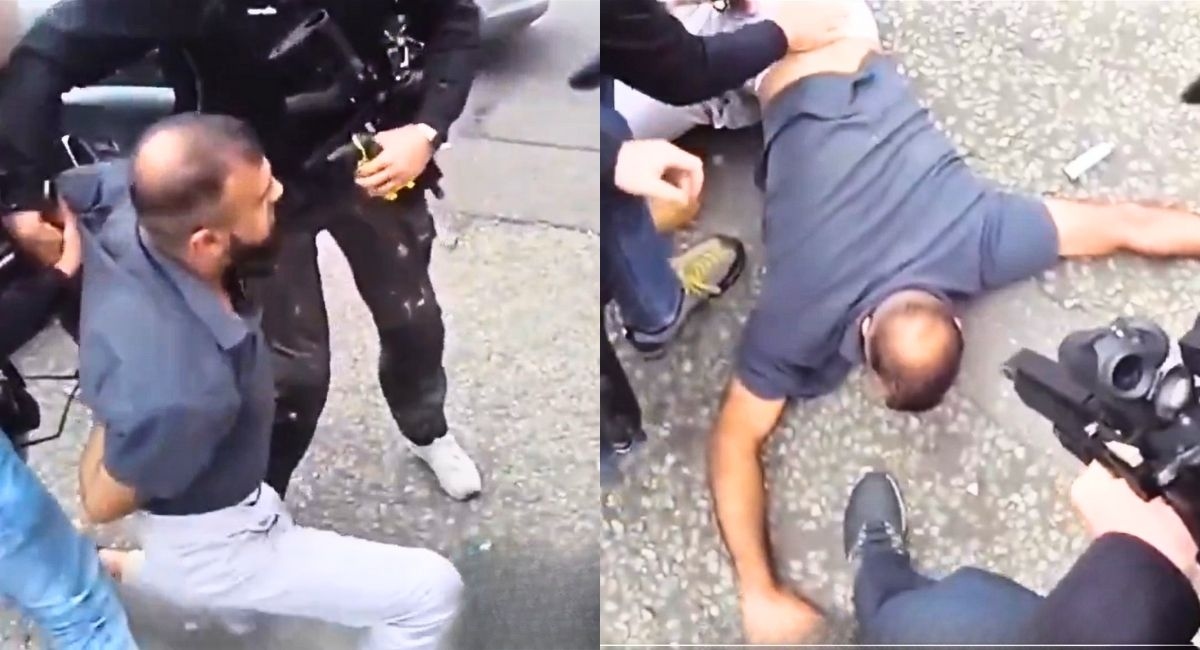
After the July 7, 2024 discovery at the port, the NCA built its case, identifying Khan as the figure behind the smuggling bid. On 12 July 2024, armed officers approached him on the street and detained him without publicized violence on suspicion of illegal importation of firearm parts.
In the days following the arrest, investigators found voice notes on Khan’s phone linking him with a supplier in Pakistan believed to have access to manufacturing sites for such components — including plans and invitations to visit facilities producing regulated parts.
Legal Outcome: Guilty Plea and Sentencing
After his arrest and formal charges, Khan pleaded guilty to the count of smuggling illegal firearm parts. At Birmingham Crown Court in early 2025, a judge sentenced him to eight years’ imprisonment — a sentence reflecting both the seriousness of the offense and the risk these components posed to public safety.
Why This Case Matters: Firearms Parts, Not Finished Guns
What makes the Arrest of Yasir Khan especially significant is that he wasn’t trying to smuggle finished guns — he was attempting to import core components that can be converted or assembled into lethal firearms. These include slides and barrels for Glock-pattern pistols, widely used by criminal gangs due to their reliability and adaptability.
Under UK law, transporting and possessing such components with intent to supply or assemble is a serious firearms offense, often equated legally with trafficking finished weapons because the end result — the ability to put together functioning firearms — is functionally identical. Courts treat this as organized, high-harm criminal activity.
The Broader UK Context: NCA’s Role
The National Crime Agency is Britain’s premier agency for tackling serious and organized crime, including drug trafficking, human smuggling, weapons smuggling, and money laundering. It works closely with Border Force officers, local police forces, and international counterparts to intercept contraband before it reaches streets or criminal networks.
Khan’s arrest reflects a broader focus by the NCA on preventing weapons-related harm at source, especially given the rising use of illegal firearms in gang violence across UK cities. By intercepting weapon components — rather than just finished guns — agencies aim to stem the root supply chain.
Resurfaced Bodycam / Video Footage
While there is public footage available (e.g., NCA-released video clips on social media and in press statements) showing the moment enforcement teams intercepted Khan’s vehicle, there is no independent verified government release of full body-worn video publicly archived beyond agency media shares at the time of the arrest.
However, NCA and Border Force routinely publish curated clips to inform the public and aid transparency — a practice consistent with other UK law enforcement agencies that publish footage of high-risk arrests for accountability and education.
Implications for Organized Crime and Public Safety
From my experience reporting on firearms smuggling cases, the real danger isn’t just in finished guns crossing borders — it’s the incremental assembly of weapons from parts that evade scrutiny precisely because they’re “just components.” Those parts, once in criminal hands, can be assembled into functional firearms with simple tools — and that’s what makes the NCA’s interdiction here both significant and proactive.
Illegal importation of firearm parts contributes to:
- Increased gang firepower
- Lower barriers for production of homemade guns
- Export of lethal tools into unregulated channels
Reducing these flows directly correlates with reductions in gun-related violence long term — evidenced by multiple academic studies on illicit firearms supply chains in Europe.
Conclusion: A Strategic Arrest With Long-Term Effects
The Arrest of Yasir Khan stands as a textbook example of modern law enforcement confronting sophisticated smuggling networks — not merely by intercepting finished weapons, but by halting the supply of key parts that enable them. It underscores how agencies like the NCA are adapting to transnational criminal strategies that exploit legal grey zones around components.
For UK public safety, the case sends a clear signal: Attempting to import illegal weapons parts — even disguised within classic cars — will attract serious legal consequences, including long custodial sentences.